

Written by: Ryan Gardner, Owner, Managing Partner, CEO, Bucked Up
Key Takeaways
-
The ideal energy drink for studying combines moderate-to-high caffeine with L-theanine and nootropics like Alpha-GPC and TeaCrine in a zero-sugar formula for steady focus without crashes or jitters.1*
-
L-theanine paired with caffeine in roughly a 2:1 ratio promotes calm alertness by raising GABA levels, reducing neural noise, and improving reaction times even after sleep deprivation.1*
-
Zero-sugar formulations help prevent glucose spikes and crashes that impair concentration, which supports long study sessions and all-night cramming.
-
Choose caffeine levels based on your personal tolerance, using lower doses with L-theanine for beginners and higher-stim options like 300mg caffeine with full nootropic support for advanced users.*
-
Shop Bucked Up Energy drinks for clean, no-jitter focus during demanding study sessions at our online store.
How to Find an Energy Drink That Does Not Make You Feel Jittery
Jitter-free energy starts with four key checks before you buy your next drink. First, check total caffeine content against your tolerance level. The FDA cites 400 milligrams of caffeine per day as an amount not generally associated with negative effects for most healthy adults, but individual sensitivity varies widely based on body weight in lbs, medications, and personal factors.
Second, look for L-theanine in the ingredient list. Across human studies, the most reliable attention benefits occur with a higher dose of L-theanine paired with moderate caffeine in roughly a 2:1 ratio, such as 200 mg L-theanine with 80–120 mg caffeine. This amino acid supports calm alertness by raising GABA levels to enhance signal clarity and reduce background neural noise.1*
Third, verify zero sugar content. Harvard’s Nutrition Source notes that many energy drinks contain about 200 mg of caffeine and as much or more sugar as soda (typically around 41 grams per 12-ounce serving), both of which can contribute to energy crashes and sleep problems. Sugar-free formulations reduce the likelihood of glucose spike-and-crash patterns that impair sustained concentration. With stable glucose levels established, the next factor to evaluate is cognitive support beyond basic stimulation.
Fourth, confirm additional nootropic ingredients like Alpha-GPC, TeaCrine, or taurine that support cognitive function alongside caffeine. These compounds work together to support mental endurance during extended study sessions.1*
Best Energy Drink Ingredients for Focus and Concentration
Beyond avoiding jitters, the best energy drinks for focus combine multiple nootropic compounds that work with caffeine. L-theanine stands as the most researched anti-jitter compound in energy formulations. In a controlled study of healthy young adults after acute sleep deprivation, the combination of 200 mg L-theanine and 160 mg caffeine produced reaction times about 40 ms faster than placebo on a visual attention task. The compound acts as a partial glutamate decoy at receptors to support selective attention without broad overstimulation.1*
Alpha-GPC supports the mind-muscle connection and cognitive function by serving as a choline source for acetylcholine synthesis.1* This neurotransmitter plays a crucial role in attention, learning, and memory formation during study sessions.
TeaCrine (theacrine) provides sustained energy support without building tolerance like traditional caffeine.1* Studies suggest combining L-theanine with caffeine can help lower the body’s stress response while maintaining alertness for cognitive tasks. This stress reduction helps prevent the anxiety and jitters that derail productive study time.
Shop now for formulations that combine these nootropics with clean caffeine sources.
Best Energy Drink Strategy for Studying All Night
Zero-sugar formulations support all-night study sessions because they avoid the metabolic rollercoaster that destroys sustained focus. As noted earlier, high sugar loads in energy drinks contribute to weight gain, dental erosion, metabolic strain, and rebound energy crashes, prompting consumer interest in low-sugar and zero-sugar formulations that aim to deliver more stable alertness.
For extended study sessions, stack your energy drink with proper hydration protocols. Drink sufficient water with every energy drink to support optimal cognitive function and prevent dehydration-related fatigue, which can amplify the jittery effects of caffeine. Since dehydration often feels like hunger, pair your hydration strategy with protein-rich snacks every 2-3 hours to maintain stable blood sugar levels without the crashes associated with high-carb options.
Beyond what you consume alongside your energy drink, when you consume it shapes whether you maintain peak focus throughout the night. Timing matters for all-night sessions. The International Society of Sports Nutrition position stand concludes that energy drinks consumed 10–60 minutes prior can improve mental focus, alertness, and endurance in adults largely through caffeine. Plan your intake to peak during your most challenging study material, typically 45-60 minutes after consumption.
Consider caffeine half-life when planning multiple doses. Caffeine remains active for 4-6 hours in most adults, so space additional servings to maintain steady energy levels without accumulating excessive stimulation that could impair sleep quality the following night.
Best Drink for Focus Without Jitters: Tolerance-Based Decision Guide
While zero-sugar formulations and nootropic stacks matter for all-night sessions, none of these features help if you choose the wrong caffeine level for your personal tolerance. Your caffeine tolerance determines which energy drink formulation will deliver focus without unwanted side effects. While the FDA’s 400mg daily limit provides a general guideline, caffeine sensitivity and elimination rates vary widely among individuals due to body weight, medications, medical conditions, and personal factors, meaning the same energy drink amount may produce smooth focus for one person and jitters or overstimulation for another.
Those with lower caffeine tolerance can start with lower-dose formulations paired with L-theanine. EFSA’s 2015 Scientific Opinion estimates that acute and daily intakes do not raise safety concerns for the general healthy adult population.
Those with moderate tolerance can use higher caffeine amounts along with nootropic support. Look for formulations that include taurine and B-vitamins to support sustained energy metabolism.1*
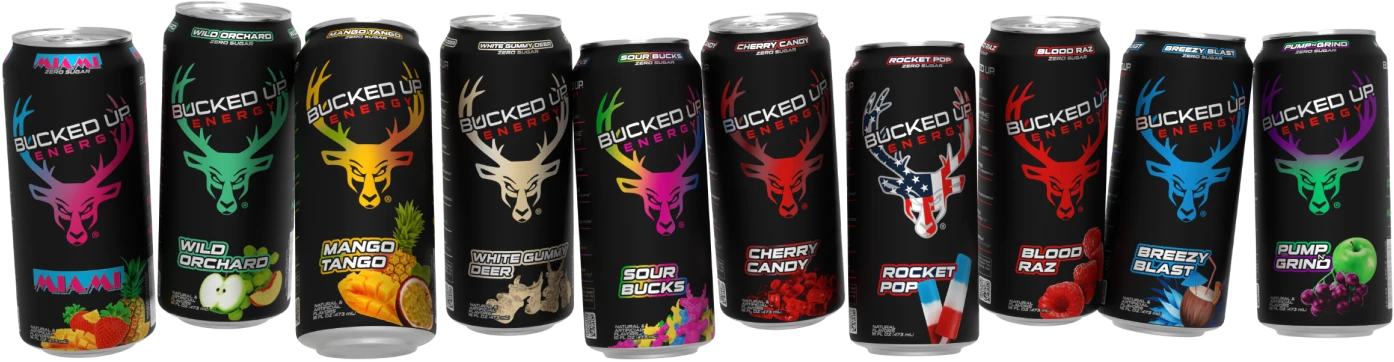
Advanced users with a daily tolerance around 200mg or more may benefit from higher-stimulant options like Bucked Up Energy, which provides 300mg caffeine with comprehensive nootropic support including Alpha-GPC and additional focus-supporting compounds.1* Find Bucked Up Energy at retailers near you for cognitive support during demanding study sessions.
How to Choose the Right Energy Drink for Your Study Demands
Match your energy drink selection to your specific study requirements using a simple decision framework. For memorization-heavy subjects like languages or medical terminology, prioritize formulations with Alpha-GPC and choline-supporting ingredients that enhance memory formation.1* If your study session involves analytical work rather than rote memorization, such as mathematics or programming, focus on caffeine-L-theanine combinations that support sustained attention without mental fatigue.
Neuro CEO and co-founder Kent Yoshimura stated that the energy category has shifted from pure intensity to products that “work with the brain and body, not against it,” with focus, calm, alertness, and mental clarity now just as important as stimulation. This trend reflects growing consumer sophistication in selecting cognitive enhancers.
Consider your study environment when selecting caffeine levels. Library or group study sessions may call for lower-stimulant options to prevent restlessness, while solo cramming sessions can accommodate higher-caffeine formulations for stronger alertness. Always account for other caffeine sources in your daily intake, including coffee, tea, and chocolate.
Monitor your response patterns over multiple study sessions. Common signs of consuming too much caffeine include increased heart rate, heart palpitations, high blood pressure, anxiety, jitters, upset stomach, nausea, and headache. Adjust your selection based on these feedback signals to support long-term study performance.
Conclusion: Choose Focus That Lasts
The right energy drink for studying combines moderate-to-high caffeine with selected nootropics in a zero-sugar formula that supports sustained mental performance without crashes or jitters.1* Evaluate options based on caffeine content relative to your tolerance, L-theanine ratios, sugar content, and additional cognitive-supporting ingredients.
Nearly six in 10 global consumers are interested in products offering sustained energy specifically for the brain to maintain alertness and mental activity during extended work or study sessions. This demand drives innovation in cleaner formulations that work with your cognitive processes rather than against them.
Shop now for energy drinks that deliver the caffeine-plus-nootropic profile your study sessions demand, without the jitters that derail academic performance.*
Frequently Asked Questions
What recent studies show L-theanine plus caffeine improves sustained attention?
Multiple controlled studies demonstrate the synergistic benefits of L-theanine and caffeine for sustained attention. In sleep-deprived young adults, the L-theanine-caffeine combination mentioned earlier produced significantly faster reaction times, with EEG testing revealing shifted P3b peak latency 30-35 milliseconds earlier and increased P3b amplitude, indicating faster and deeper attentional processing. The combination outperformed either ingredient alone on attention-related measures, including accuracy and signal-versus-noise discrimination. Current research at Texas Tech University Health Sciences Center is testing whether L-theanine combined with paraxanthine produces even more predictable cognitive improvements in adults with attention challenges.*
How much caffeine is considered safe for focus without side effects?
The FDA and EFSA establish 400mg daily as the upper limit for healthy adults, with single doses up to 200mg considered safe for most people. However, individual tolerance varies significantly based on body weight in lbs, medications, and genetic factors. Energy drinks typically contain 70 to 240 mg of caffeine per 16 fluid ounces, with most products listing total caffeine from all sources including guarana. For focus without jitters, start with your current daily caffeine intake and add no more than 100-150mg from energy drinks. Monitor for signs of overconsumption including increased heart rate, anxiety, jitters, or sleep disruption, and adjust accordingly. Those sensitive to caffeine can begin with lower dose formulations paired with L-theanine for smoother energy delivery.*
Why do zero-sugar formulas support longer mental endurance?
Zero-sugar energy drinks help prevent the glucose spike-and-crash cycle that undermines sustained cognitive performance during extended study sessions. Traditional energy drinks typically contain around 40 grams of sugar per 12-ounce serving, creating rapid blood glucose elevation followed by insulin-mediated crashes that impair concentration and mental clarity. Sugar-free formulations using alternative sweeteners maintain stable blood glucose levels, supporting consistent energy delivery throughout long study periods. This metabolic stability helps prevent afternoon energy crashes, mood swings, and cognitive fatigue associated with high-sugar beverages. Additionally, zero-sugar options reduce the risk of dental erosion and metabolic strain that can develop with regular consumption of high-sugar energy drinks during intensive study periods.*
What ingredients should I look for beyond caffeine in study-focused energy drinks?
Study-focused energy drinks work best when they combine caffeine with specific nootropic compounds that support different aspects of cognitive function. L-theanine paired with caffeine promotes calm alertness by increasing GABA levels and reducing cortisol response.1* Alpha-GPC supports acetylcholine synthesis for memory formation and mind-muscle connection.1* Taurine helps maintain cellular hydration and supports cardiovascular health during extended study sessions.1* B-vitamins, particularly B6 and B12, support energy metabolism and neurological function.1* TeaCrine provides sustained energy without tolerance buildup.1* Look for transparent labeling that lists exact dosages rather than proprietary blends, so you know precisely what cognitive-supporting compounds you are consuming.
How should I time energy drink consumption for all-night study sessions?
Strategic timing maximizes cognitive benefits while limiting sleep disruption for subsequent nights. Consume your first energy drink 45-60 minutes before peak study demands, allowing time for absorption and cognitive enhancement. Space additional servings 4-6 hours apart to account for caffeine’s half-life and prevent excessive accumulation.
For all-night sessions, consider a moderate dose early evening followed by a smaller maintenance dose around midnight if needed. Avoid caffeine within 6-8 hours of your intended sleep time the following day to reduce insomnia risk. Pair each energy drink with adequate water and protein-rich snacks every 2-3 hours to maintain hydration and stable blood sugar. Monitor your response and adjust timing based on individual metabolism and sensitivity patterns.1*
*This statement has not been evaluated by the Food and Drug Administration. This product is not intended to diagnose, treat, cure, or prevent any disease.
1 The content provided in this article is for informational purposes only and is not medical advice. Consult with a medical professional before implementing any changes to your diet, health, or exercise routines. Individual results will vary and are based on a combination of each individual’s diet, exercise, age, and health circumstances. These statements have not been evaluated by the Food and Drug Administration. This product is not intended to diagnose, treat, cure or prevent any disease.
This article was written by Ryan Gardner, CEO of Bucked Up. As the maker of Bucked Up Energy Drinks, we have a financial interest in this information. The views expressed are our own and should be read with that context in mind.


Leave a Reply