

Written by: Ryan Gardner, Owner, Managing Partner, CEO, Bucked Up
Key Takeaways
- Healthy energy drinks with adaptogens and electrolytes stand out when they use transparent labeling, disclose exact ingredient amounts, and avoid proprietary blends that hide dosages.
- Adaptogens like ashwagandha and rhodiola may support stress response, while electrolytes such as magnesium, sodium, and potassium help maintain hydration and muscle function during workouts.1
- Choose products with moderate caffeine levels (100-300mg), zero or low sugar, and clearly listed adaptogen and electrolyte amounts to match your training intensity and tolerance.
- Common pitfalls include hidden sugars, vague dosing, and unrealistic claims, so verify third-party testing and avoid artificial colors or excessive stimulants.
- Explore Bucked Up Performance Energy Drinks for transparent formulations that support steady energy without a heavy crash.
How Adaptogens and Electrolytes Support Your Energy Drink
Adaptogens are a class of herbs and mushrooms that may support the body’s response to stress. The most researched adaptogens in energy drinks include ashwagandha, rhodiola rosea, and cordyceps. Research shows some ashwagandha preparations may be effective for stress and insomnia, though the National Center for Complementary and Integrative Health notes that many clinical trials have used different preparations, which limits firm conclusions about effectiveness.
Evidence for rhodiola remains more limited. NCCIH states there is not enough reliable evidence to determine whether rhodiola is useful for fatigue, stress reduction, athletic performance, or increasing energy, despite its traditional use in Russia and Scandinavia for work performance and endurance.
While the science on adaptogens continues to develop, electrolytes serve more established functions in energy drinks. Magnesium serves as a cofactor in more than 300 enzyme systems that regulate energy production, muscle and nerve function, and blood glucose control.1 Sodium and potassium help maintain fluid balance and support muscle contractions during exercise.1
Dosing often creates the biggest challenge. Approximately 30-40% of magnesium from food and beverages is absorbed by the body, so transparent labeling of actual elemental content becomes crucial when you compare products. Many energy drinks list magnesium compounds without specifying elemental amounts, which makes it hard to know whether you are getting meaningful hydration support.
Find energy drinks with full ingredient disclosure at Bucked Up.
How to Pick a Healthy Adaptogen and Electrolyte Energy Drink
Choosing a healthy energy drink works best when you focus on five areas: caffeine amount, sugar content, adaptogen dosing, electrolyte balance, and labeling transparency.
Start with caffeine content and sources. The FDA states that for most healthy adults, consumption of up to 400 milligrams of caffeine per day is not generally associated with negative effects. Energy drinks typically contain 70 to 240 milligrams of caffeine per 16 fluid ounces. Natural sources like green tea extract or guarana may feel smoother than synthetic caffeine anhydrous, although individual responses vary a lot.
Sugar content shapes both quick energy and crash potential. The global zero-sugar beverages market is projected to grow from $5.0 billion in 2026 to $19.6 billion by 2036, partly because people want to avoid sugar-related crashes. Look for products using stevia, monk fruit, or erythritol instead of artificial sweeteners like aspartame or sucralose.
For adaptogens, dosage transparency matters more than simply listing the ingredient. Many products include ashwagandha or rhodiola in proprietary blends without specifying amounts. Research suggests effective doses often fall in the range of hundreds of milligrams per day, though this can vary by extract. Without clear labeling, you cannot tell whether a product provides meaningful amounts.
Electrolyte balance should reflect your sweat losses and workout intensity. Sweat sodium concentrations during exercise can range from approximately 10-90 mEq/L. Products designed for high-intensity training usually need proportionally higher sodium content than those intended for everyday use.
Use this evaluation checklist when comparing options, and keep transparency and safety at the top of your list:
- Caffeine source and amount clearly listed, so you can match intake to your tolerance
- Sugar content under 10g per serving or a zero-sugar formulation, to reduce crash risk
- Adaptogen amounts specified instead of hidden in blends, which helps you gauge effectiveness
- Elemental electrolyte content disclosed, so you can compare hydration support accurately
- Third-party testing or GMP certification mentioned, which supports quality control
- Ingredient list free of artificial colors and preservatives, to limit unnecessary additives
Aligning Your Drink with Workout Goals and Caffeine Tolerance
Your training style and caffeine sensitivity should guide your ideal formulation. Beginners often do well with moderate caffeine levels around 100-150mg plus basic electrolyte support. This range delivers noticeable energy without overwhelming people who are new to stimulants or pre-workout nutrition.
Regular gym-goers often prefer higher caffeine content, around 200-250mg, combined with more complete electrolyte profiles that include sodium, potassium, and magnesium. These individuals train often enough to build some caffeine tolerance and usually lose more electrolytes through frequent sweating.
Advanced athletes may look for specialized formulations with 300mg or more caffeine, delayed-release mechanisms, and targeted adaptogen profiles. Higher doses can increase the risk of side effects and may not always deliver proportional benefits. The FDA notes wide individual variation in sensitivity to caffeine and speed of elimination from the body, so personal experimentation still matters within these general ranges.
Timing also plays a role. Morning workouts often pair well with faster-acting formulations, while evening sessions call for products that are less likely to disrupt sleep. Some people split their serving, taking half before training and half during longer sessions.
Common Myths About Adaptogen Energy Drinks
Many people assume all adaptogen beverages provide similar benefits, which rarely holds true. Many clinical trials of ashwagandha have had small sample sizes and used a variety of different preparations, meaning results from one extract may not apply to another. Products that use different extraction methods, concentrations, or plant parts can create very different effects.
Hidden sugars in “healthy” formulations create another common problem. Some brands highlight adaptogen content while including 20-30g of added sugars per serving, which can work against the stress-management benefits people want. A 2025 NSF survey found that 83% of U.S. consumers read food labels before purchase and 79% check ingredients first, yet many still overlook sugar content when they focus on functional ingredients.
Timing expectations often cause confusion as well. Caffeine tends to provide immediate effects, while adaptogens usually require consistent daily use over weeks or months. Expecting instant stress relief from a single serving often leads to disappointment and switching products before giving them enough time.
How Bucked Up Can Fit into Your Daily Routine
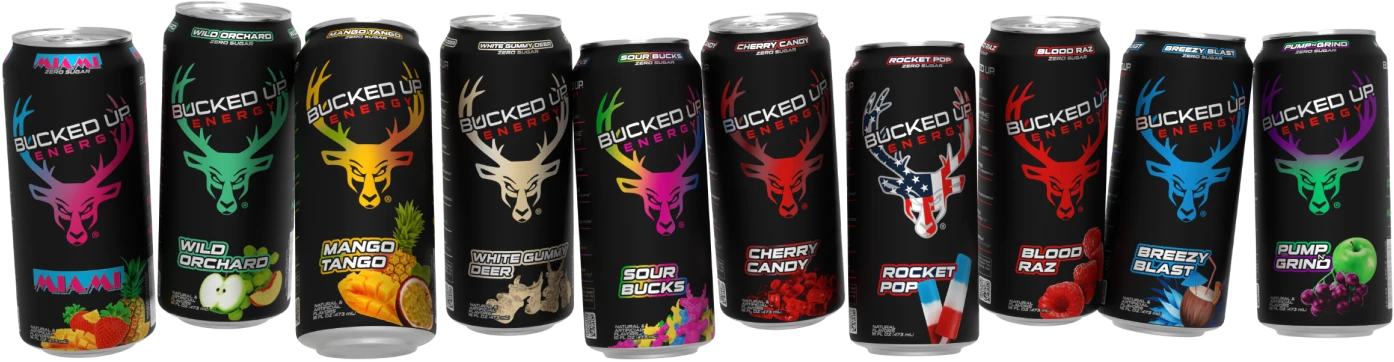
Bucked Up Performance Energy Drinks address many common transparency and formulation concerns in the energy drink space.1 Each product lists full ingredient amounts without proprietary blends, so you can see exactly what you are drinking and compare formulas with confidence.
The formulations use Himalayan rock salt with trace minerals for electrolyte support, which provides a natural source of sodium plus additional micronutrients that many synthetic blends lack. This combination supports immediate hydration needs and ongoing mineral balance for regular training.
Bucked Up focuses on sustained performance rather than short bursts of stimulation.1 Today’s consumers increasingly use energy drinks as part of broader wellness routines including exercise, work performance, and daily fatigue management, so this approach aligns with how many people now use these products.
If you prefer to shop in person, you can find Bucked Up products at various locations nationwide. The clear labeling makes it easier to decide whether a specific flavor or formula matches your goals and tolerance.
Browse Bucked Up’s full range of performance energy drinks.
Conclusion: Turning Label Knowledge into Better Energy Choices
Choosing healthy energy drinks with adaptogens and electrolytes starts with knowing what you need and finding products that show exactly what they deliver. Focus on clear caffeine content, meaningful adaptogen doses, balanced electrolyte profiles, and honest labeling practices. Use the evaluation checklist to compare options step by step instead of relying on marketing claims.
The energy drink market continues to move toward more functional, transparent formulations as consumers ask for better ingredients and clearer information. When you apply these criteria to your next purchase, you can select products that support your training and daily performance instead of drinks that only provide a quick spike followed by a crash.
FAQ
How much caffeine should I look for in a healthy energy drink with adaptogens?
The earlier section on caffeine notes that the FDA sets a general upper limit of 400mg per day for most adults. For energy drinks, many caffeine-sensitive people or those new to pre-workout nutrition start around 100-150mg. Regular gym-goers often choose 200-250mg, while some advanced athletes with high tolerance may go up to 300mg. The goal is to find an amount that boosts energy without causing jitters, anxiety, or sleep problems. Natural caffeine sources like green tea extract may feel smoother than synthetic caffeine anhydrous for some users.
What is the difference between adaptogen extracts and whole herb powders in energy drinks?
Adaptogen extracts concentrate active compounds and usually provide more consistent potency than whole herb powders. Extracts are often standardized to specific percentages of key compounds, which makes dosing more predictable. Whole herb powders contain the full plant matrix but may show variable potency based on growing conditions, harvest timing, and processing methods. For energy drinks, extracts are generally preferred because they dissolve more easily, affect taste less, and provide more reliable effects per serving.
How do I know if an energy drink has enough electrolytes for my workout intensity?
Electrolyte needs depend on sweat rate, workout length, and environment. For moderate exercise under 60 minutes, many people do well with 100-200mg sodium and 50-100mg potassium per serving. High-intensity training or sessions over 90 minutes may call for 300-500mg sodium and 150-300mg potassium. Hot, humid conditions can increase these needs. Start with moderate amounts and adjust based on how you feel during and after workouts, watching for cramping, fatigue, or excessive thirst.
Can I take adaptogen energy drinks daily or should I cycle them?
Most adaptogens are considered safe for daily use over several months, though tolerance and responses differ by person. Ashwagandha research suggests safety for up to 3 months of continuous use, while rhodiola studies often cover up to 12 weeks. Some people choose to cycle to help prevent tolerance and maintain perceived benefits. A common pattern includes 5 days on and 2 days off, or 3 weeks on and 1 week off. Monitor your response and consider cycling if you notice reduced effects or any side effects. Talk with a healthcare provider if you take medications or have health conditions.
What should I avoid in energy drinks that claim to be healthy?
Avoid products with proprietary blends that hide ingredient amounts, artificial colors like Red 40 or Blue 1, and sugar content over 15g per serving. Skip artificial preservatives such as sodium benzoate when possible. Be cautious with products that make disease claims or promise extreme results. Steer clear of drinks with synthetic caffeine doses over 400mg or formulas that combine several stimulants without clear labeling. Focus on brands that provide complete transparency and use recognizable, research-backed ingredients at reasonable doses.
*This statement has not been evaluated by the Food and Drug Administration. This product is not intended to diagnose, treat, cure, or prevent any disease.
1 The content provided in this article is for informational purposes only and is not medical advice. Consult with a medical professional before implementing any changes to your diet, health, or exercise routines.
Individual results will vary and are based on a combination of each individual’s diet, exercise, age, and health circumstances.
These statements have not been evaluated by the Food and Drug Administration. This product is not intended to diagnose, treat, cure or prevent any disease.
This article was written by Ryan Gardner, CEO of Bucked Up. As the maker of Bucked Up Energy Drinks, we have a financial interest in this information. The views expressed are our own and should be read with that context in mind.


Leave a Reply