

Written by: Ryan Gardner, Owner, Managing Partner, CEO, Bucked Up
Crash-Free Energy: What Matters Most
- Most conventional energy drinks cause crashes because of high sugar loads and unbalanced caffeine, which create jitters followed by severe fatigue.
- Sustained-release caffeine paired with nootropic compounds like TeaCrine, Dynamine, and AlphaSize can support steady energy and focus for several hours.1
- Transparent labeling and avoiding proprietary blends make it easier to evaluate whether an energy drink is truly designed to be crash-free.
- Bucked Up Performance Energy Drinks use a 300mg multi-stage caffeine system and cognitive enhancers that support sustained performance without the typical afternoon crash.1
- Ready to move away from the crash cycle? Explore Bucked Up energy drinks formulated for all-day focus and performance.
Why Many Energy Drinks Leave You Drained
The crash phenomenon follows predictable biochemistry. Energy drinks vary widely in caffeine content, with small cans like Red Bull (8.4 oz) containing about 80 mg and larger cans like Monster or Rockstar (16 oz) typically containing 160 mg, though some reach 200–280 mg, but caffeine alone does not fully explain the crash.
The core issue is formulation imbalance. Sugar can give you a small burst of energy, but what we often see with that is that there is a high from the sugar and then a quick crash after that. As the sugar is metabolized, people often will actually feel more tired, according to Dr. Gena Lenti at UW School of Medicine.
Most conventional energy drinks combine massive sugar loads, often 25–50 grams per can, with synthetic caffeine, which creates a double-spike scenario. Your blood sugar rockets up while caffeine floods your system, then both drop at roughly the same time. This dual-crash problem becomes even more intense when you factor in undisclosed herbal stimulants. Guarana, ginseng, green tea extract, and yerba mate act as additional stimulants, but companies are not required to disclose exact quantities, so you cannot accurately predict total stimulant load or crash risk.
The result often includes jitters, anxiety, heart palpitations, and then fatigue that feels worse than where you started. Explore crash-conscious formulations that avoid this cycle and support more stable energy.
Understanding why crashes happen only solves part of the problem. You also need a clear way to evaluate which products actually address these issues instead of simply marketing around them.
How to Evaluate Energy Drinks Without Crash Reviews
Separating crash-conscious options from marketing noise requires specific evaluation criteria that directly relate to crash prevention. Focus on three formulation factors that influence how your energy rises, stabilizes, and tapers off.
Caffeine Type and Dosage: It is the amount of caffeine, not the source, that matters, and natural sources such as guarana and synthetic caffeine are chemically identical and produce the same stimulant effects, according to Consumer Reports’ James E. Rogers, PhD. Delivery method still plays a major role in how you feel. Look for formulations that use sustained-release caffeine or combine immediate and delayed-release forms to avoid a sharp spike and sudden drop.
Nootropic Synergies: Crash-conscious energy formulations often include cognitive support compounds that smooth caffeine’s effects. Key ingredients include TeaCrine (theacrine), which supports sustained energy levels* without tolerance buildup, Dynamine (methylliberine) for enhanced focus and alertness*, and AlphaSize Alpha-GPC for cognitive support*.1 Together, these compounds can extend the useful energy window while supporting mental clarity*.
Label Transparency: Transparent and accurate labeling serves as a major quality indicator for energy products because it increases credibility and enables consumers, regulators, and third-party certifiers to evaluate actual ingredient content and dosing. Avoid proprietary blends that hide dosages. Effective formulations list exact amounts of each active ingredient so you can understand what you are taking.
Crash-Conscious Energy Drinks in 2026: What Has Changed
The energy drink market has shifted as more people look for energy without the crash. Manufacturers now reformulate products to address concerns about sugar spikes, stimulant overload, and mid-afternoon energy slumps. Manufacturers are reformulating energy drinks with natural caffeine sources such as green coffee beans, guarana, and yerba mate, alongside reduced sugar and added micronutrients including B-complex vitamins, electrolytes, and magnesium to support sustained focus and reduce crashes.
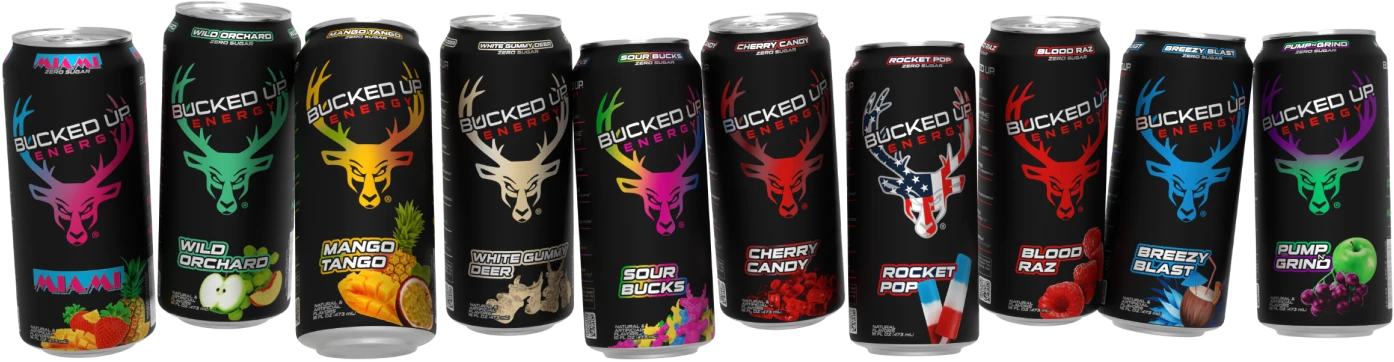
Bucked Up Performance Energy Drinks fit into this reformulation trend through the nootropic stack described earlier. This combination delivers the sustained duration mentioned in the key takeaways without the typical sugar crash. Bucked Up Performance Energy Drinks use 300 mg of caffeine anhydrous plus Dynamine and Teacrine for sustained, steady energy release, paired with cognitive enhancers that support the mind-muscle connection* during workouts.1
Other options in the crash-conscious category include zero-sugar formulations that rely on natural or non-caloric sweeteners. In January 2025, Red Bull launched Red Bull Zero nationwide in the United States, a zero-sugar variant sweetened with monk fruit extract, sucralose, and erythritol.
Formulation philosophy creates the main point of difference. Many brands still focus primarily on stimulant delivery. Crash-conscious options instead prioritize sustained energy support* through balanced ingredient profiles that work with your body’s natural energy systems rather than overwhelming them.
Energy Drinks That Aim to Avoid Crashes
Energy drinks formulated to reduce crash risk share several traits. They usually contain zero or minimal sugar, use balanced caffeine delivery systems, and include nootropic compounds that support sustained mental performance*. Effective options often combine immediate and sustained-release caffeine with cognitive enhancers such as L-theanine, TeaCrine, or Alpha-GPC.
Bucked Up’s approach reflects this philosophy through its multi-stage caffeine delivery paired with the nootropic stack mentioned earlier. These compounds support energy levels* without rapid tolerance buildup, while AlphaSize supports mental focus and alertness* during extended training sessions or long work periods.1
Sugar-free formulations that use natural or non-caloric sweeteners avoid the blood sugar rollercoaster entirely. Sugar-free and low-calorie energy drink variants are experiencing rapid growth due to rising awareness of obesity and metabolic health, aligning with consumer preferences for crash-conscious sustained energy in fitness and professional settings.
Drinks That Support Energy Without a Crash
Energy drinks that support sustained energy* without a hard crash rely on formulation science rather than slogans. These drinks typically include three core elements: controlled caffeine release, cognitive support compounds, and minimal sugar content.
Controlled caffeine release helps prevent a sharp spike-and-drop pattern. Peak plasma caffeine concentration occurs 45–60 minutes after ingestion, aligning with the recommended pre-exercise timing window, while caffeine half-life averages 5–6 hours but varies by CYP1A2 genetics, with slow metabolizers experiencing effects for 8+ hours. Formulations that combine immediate and sustained-release caffeine can stretch this curve into a smoother, more gradual rise and taper.
Cognitive support compounds like TeaCrine and Dynamine work with caffeine to support mental focus and alertness* while reducing jitter risk.1 These ingredients support sustained energy levels* without the same tolerance buildup associated with caffeine alone.
You can find crash-conscious options at local retailers or order Bucked Up energy drinks online for direct delivery.
Real-World Results: From Jitters to Steady Performance
The move from crash-prone to sustained energy formulations has changed how many people experience energy drinks in both fitness and work settings. Traditional options often leave users dealing with mid-workout energy drops or afternoon productivity crashes that disrupt training consistency and work output.
Users who switch to crash-conscious formulations often report steadier focus during 90-minute training sessions, without the familiar energy valley around the halfway point. The combination of balanced caffeine delivery and nootropic support helps maintain the mind-muscle connection* throughout longer workouts.
Professionals also value formulations that support mental focus and alertness* during long workdays without causing late-afternoon fatigue. The energy shots segment is projected to grow at the fastest CAGR of 10.64% from 2026–2034, driven by compact formats and higher caffeine concentration appealing to working professionals seeking quick, sustained focus.
Formulations that work with your body’s natural energy pathways, instead of overwhelming your system with large stimulant doses, tend to support more consistent performance* and reduce the likelihood of a hard crash.
Decision Guide: Choose the Right Crash-Conscious Drink
Choosing the right crash-conscious energy drink depends on your caffeine tolerance, workout timing, and focus needs. The following guide outlines common user profiles and links each to specific formulation traits, so you can quickly spot which approach fits your goals.
For Caffeine-Sensitive Users: Start with formulations that contain 100–150 mg caffeine and include L-theanine or similar compounds that smooth stimulant effects. Caffeine dosing for alertness products can begin at lower amounts for sensitive users, with moderate doses providing a noticeable boost and common single-serve amounts comparable to a cup of drip coffee.
For High-Tolerance Users: Look for formulations with 200–300 mg caffeine from multiple sources, including sustained-release forms. Bucked Up’s 300 mg multi-stage delivery system supports energy levels* for users with developed stimulant tolerance while reducing the crash risk associated with single-source caffeine spikes.1
For Pre-Workout Use: For pre-workout use, caffeine reaches peak concentration about 45 minutes after ingestion, and drinking coffee 45–60 minutes before exercise aligns this peak with activity and is associated with improved muscular endurance, up to 11% increases in strength and power output, better aerobic performance, and reduced perception of effort. Choose formulations with cognitive enhancers like AlphaSize that support the mind-muscle connection* during training.
For All-Day Focus: Prioritize formulations that feature TeaCrine and Dynamine, which support sustained energy levels* without rapid tolerance buildup. These compounds work with caffeine to extend your focus window while helping you stay alert*.1
Bucked Up Performance Energy Drinks follow a transparent, sustained-results approach to crash-conscious energy. The nootropic stack described earlier supports energy levels* and mental focus and alertness* across extended training sessions and demanding work schedules. Try Bucked Up to experience sustained energy without the typical crash.
FAQ
How long do crash-conscious energy drinks typically last?
Crash-conscious energy drinks that use sustained-release caffeine and nootropic compounds often support energy levels and mental focus for several hours. Duration still depends on individual caffeine metabolism, which varies based on genetics. Some people feel effects for 2–3 hours, while others maintain alertness for 8 or more hours. Formulations using TeaCrine and Dynamine tend to provide more consistent duration because these compounds support sustained energy without building tolerance as quickly as caffeine alone.
What ingredients should I avoid to reduce crash risk?
To reduce crash risk, avoid drinks with high sugar content, often 25–50 grams per can, and very high caffeine from a single source, such as more than 400 mg in one serving. Steer clear of proprietary blends that hide ingredient dosages. Also consider avoiding drinks that rely only on synthetic caffeine without balancing compounds like L-theanine, TeaCrine, or other cognitive enhancers. Some people also experience energy fluctuations with artificial sweeteners like aspartame, so natural sweetener alternatives or zero-sugar formulations may feel more stable.
Can I build tolerance to crash-conscious energy drink ingredients?
Caffeine tolerance usually develops with regular use, often within 1–2 weeks of consistent intake. Ingredients like TeaCrine (theacrine) and Dynamine (methylliberine) support sustained energy without the same tolerance pattern, which makes them useful for longer-term use. To manage caffeine tolerance, cycle your intake by taking 1–2 days off per week or periodically lowering your dose. Nootropic compounds in well-designed formulations can help maintain perceived effectiveness even as caffeine tolerance changes.
Are crash-conscious energy drinks safe for daily use?
Crash-conscious energy drinks can be safe for daily use when you stay within recommended caffeine limits, up to 400 mg daily for healthy adults, and choose products with quality ingredients. Look for transparent labeling, third-party testing, and GMP-certified manufacturing. Track your total daily caffeine from all sources, including coffee, tea, and supplements. If you notice sleep disruption, anxiety, or other side effects, reduce intake or speak with a healthcare provider.
What is the difference between crash-conscious energy drinks and pre-workouts?
Crash-conscious energy drinks focus mainly on sustained energy and mental focus through caffeine, nootropics, and cognitive enhancers. Pre-workouts usually add ingredients for muscle pump, such as citrulline, endurance support like beta-alanine, and recovery support. Energy drinks are designed for use throughout the day in professional, academic, or lifestyle settings. Pre-workouts target exercise performance specifically. Both categories can be formulated to reduce crash risk, but pre-workouts generally provide a broader training support profile beyond energy and focus.
*This statement has not been evaluated by the Food and Drug Administration. This product is not intended to diagnose, treat, cure, or prevent any disease.
1 The content provided in this article is for informational purposes only and is not medical advice. Consult with a medical professional before implementing any changes to your diet, health, or exercise routines.
Individual results will vary and are based on a combination of each individual’s diet, exercise, age, and health circumstances.
These statements have not been evaluated by the Food and Drug Administration. This product is not intended to diagnose, treat, cure or prevent any disease.
This article was written by Ryan Gardner, CEO of Bucked Up. As the maker of Bucked Up Energy Drinks, we have a financial interest in this information. The views expressed are our own and should be read with that context in mind.


Leave a Reply