

Written by: Ryan Gardner, Owner, Managing Partner, CEO, Bucked Up
Key Takeaways for Busy Parents
-
Energy drinks are not safe for children or teenagers. High caffeine and sugar can trigger rapid heart rate, elevated blood pressure, sleep disruption, anxiety, and metabolic strain.
-
Emergency room visits for caffeine-related issues among middle- and high-school students have doubled since 2017, and poison center calls for caffeine toxicity in people under 20 rose more than 20 percent in 2023 alone.
-
Three main factors drive the danger: caffeine hits smaller, developing bodies harder, excess sugar harms learning and memory, and combinations with other stimulants lack long-term safety data.
-
Documented effects in minors include heart palpitations, increased QTc interval, poor sleep, anxiety, mood swings, and in rare cases cardiac events, especially in those with underlying heart conditions.
-
Parents who want adult-formulated options with full transparency can shop Bucked Up Performance Energy Drinks, which are made for adults only.
How Harmful Are Energy Drinks to Teens?
Energy drinks carry clear, documented risks for children and teenagers across multiple body systems. Emergency room visits by middle- and high-school students for adverse caffeine effects approximately doubled between 2017 and 2023, and calls to U.S. poison centers for caffeine toxicity from energy drinks among those under 20 rose more than 20 percent in 2023 alone. These problems now show up regularly in pediatric cardiology offices and emergency departments across the country.
Why Energy Drinks Hit Kids and Teens So Hard
Three overlapping factors make energy drinks especially risky for minors: caffeine overload, sugar load, and immature physiology.
Caffeine acts more rapidly in children and teens than in adults because of smaller body size and still-developing brains and bodies, according to Mark Corkins, MD, professor of pediatrics at the University of Tennessee Health Science Center and chair of the AAP Committee on Nutrition. A developing nervous system handles stimulants differently. The gap between a dose that feels like a “boost” and a dose that causes palpitations or anxiety is much narrower in a 13-year-old than in a 30-year-old adult.
Caffeine is a psychoactive substance that affects the brain and can alter behaviour and mood, with children and young people potentially more sensitive because their brains are still developing, according to the DTU National Food Institute’s 2026 analysis of Danish dietary data. This heightened sensitivity extends to caffeine’s neurochemical effects. The same report notes that caffeine increases dopamine production, which can contribute to the development of addiction. Because researchers do not yet know the long-term impact of this dopamine shift on still-developing brains, the full risk for young people remains uncertain.
Sugar adds another layer of strain. Excessive added sugar intake from energy drinks has been shown to negatively affect learning, memory, and academic performance, according to Amy Keating, RD, a nutritionist at Consumer Reports. Many energy drinks also combine caffeine with other stimulants such as taurine and guarana. These ingredient combinations have little independent long-term safety data, according to Brian Ronholm, director of food policy at Consumer Reports.
Evidence of Documented Effects in Real Teens
These factors translate into measurable health outcomes in real-world settings. Documented health outcomes linked to energy drink consumption in minors, drawn from peer-reviewed and institutional sources, include the following:
To show how quickly a single can can exceed safe limits, compare common brands to the AAP’s 100 mg daily caffeine limit for teens ages 12 to 18:
Bang Energy (16 oz) contains 300 mg of caffeine, which is 3x the daily limit.
Prime Energy (12 oz) contains 200 mg, which is 2x the daily limit.
Red Bull (8.4 fl oz) contains 80 mg of caffeine, which is below the daily limit.
Red Bull (12 oz) contains 114 mg, which exceeds the daily limit.
For adults who want energy support with clear labeling and full ingredient transparency, Bucked Up Performance Energy Drinks provide an adult-formulated option made exclusively for adults.1
What Happens If a 13-Year-Old Has an Energy Drink?
A single standard energy drink can push a 13-year-old past the entire recommended daily caffeine limit in one sitting. Caffeine directly blocks signals in the brain used to regulate tiredness and relaxation, which can produce nausea, jitteriness, and a racing or skipping heartbeat. At 13, the body weight factor discussed earlier becomes concrete: a lighter body receives a higher dose per pound from the same can than an adult would.
A 14-year-old weighing approximately 115 lbs who drinks half a litre of energy drink containing around 160 mg of caffeine in one serving exceeds EFSA limits linked to sleep disturbance and general adverse health effects, according to the DTU National Food Institute’s 2026 study. The same logic applies to a 13-year-old at similar or lower body weight. These risks scale with dose and body weight, so younger, lighter teens face a steeper exposure curve.
Is It Okay for a 15-Year-Old to Have an Energy Drink?
Medical experts advise against energy drinks for 15-year-olds. Cardiac electrophysiologist Mehmet Aktas, MD, of University of Rochester Medicine strongly recommends that individuals under 18 years old avoid energy drinks entirely. A 15-year-old may weigh more than a 13-year-old, yet the brain continues developing into the mid-20s, and the cardiovascular system remains sensitive to stimulant overload.
Among 17- and 18-year-old Icelandic adolescents studied in 2026, 55% of boys and 46% of girls who consumed energy drinks exceeded the EFSA safe caffeine limit of 1.4 mg per kilogram of body weight per day. A 15-year-old weighing 110 lbs has a maximum caffeine threshold of roughly 125 mg per day under current weight-based guidelines. One can of many popular energy drinks passes that ceiling in a single pour.
Teens with congenital heart disease, a history of palpitations or elevated blood pressure, arrhythmias, or underlying cardiac dysfunction may be more sensitive to caffeine’s effects and should consult a cardiologist, as some have no safe caffeine level, according to Dr. Whitehill.
American Academy of Pediatrics Caffeine Recommendation
The American Academy of Pediatrics states that children under 12 should consume no caffeine at all, and that adolescents ages 12 to 17 should not exceed 100 mg of caffeine per day, with the ideal being none at all. That 100 mg figure is roughly equal to one small cup of coffee or one 8-ounce energy drink.
Most energy drinks sold in convenience stores and online are larger than 8 ounces. Consumer Reports testing of 23 energy drinks and shots found that many contain two to three times the 100 mg daily caffeine limit recommended for teens by the AAP, with only Red Bull falling below that threshold at 76 mg per 8-ounce can. The AAP guideline reflects the level where problems start to appear. Mark Corkins, MD, states directly: “The level where we start to see serious side effects in teens is 100 mg a day.” Many popular energy drinks reach or exceed that level in a single serving.
What to Tell Your Teen Instead of “Just Don’t”
Specific, concrete conversations about energy drinks usually land better than general warnings. Parents can adapt the following scripts for real-life talks.
When your teen says they need energy for a game or practice: “I get it, you want to perform well. The problem is that one of those drinks can have three times the caffeine a doctor says is safe for someone your age in a single can. That is not a performance edge, that is a risk to your heart and your sleep. Let’s figure out what is actually making you tired.”
When your teen says everyone drinks them: “A 2024 poll found that 23% of teens consume caffeine at least four days a week, and as noted earlier, ER visits for caffeine-related problems in this age group have doubled in recent years. Popularity does not make something safe.”
When your teen says they just had one and feel fine: “Short-term is not the whole picture. Regular use is linked to anxiety, mood swings, sleep problems, and in rare cases with genetic heart conditions, cardiac events. One time feeling okay does not mean the risk is not real.”
Healthier alternatives recommended by pediatric cardiologists include staying hydrated with electrolyte drinks, maintaining consistent sleep hygiene, regular exercise, and eating a well-balanced diet.
Adult-Only Performance Energy Drinks
Some parents who are adults may still want performance energy drinks for themselves, so understanding what separates an adult product from those marketed to teens matters. Bucked Up Performance Energy Drinks are formulated for adults and are not intended for children, teenagers, or anyone under 18. The caffeine content in these drinks is set with adult physiology, adult body weight, and adult tolerance levels in mind, which do not apply to a developing 13-, 15-, or 17-year-old body.
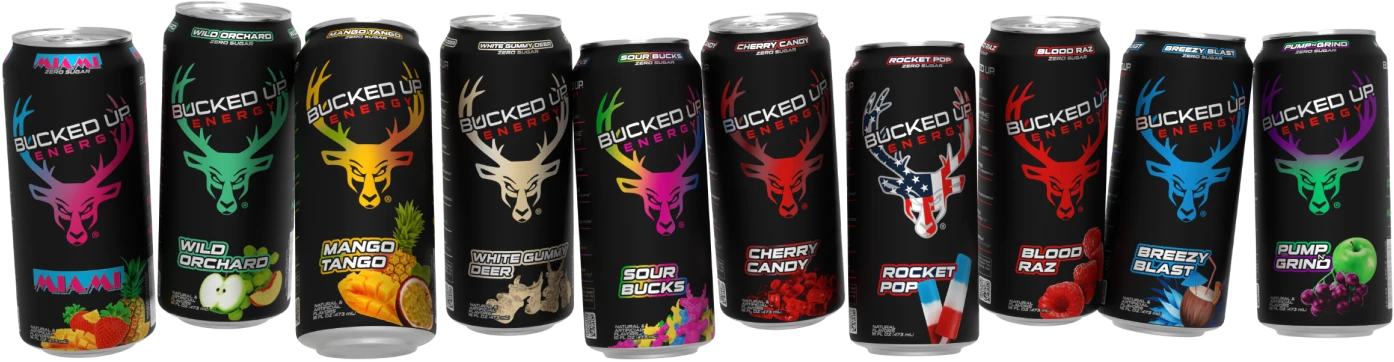
Adults who want to know exactly what they are consuming can review Bucked Up’s full ingredient transparency on every product. No proprietary blends and no hidden doses. That level of clarity supports informed choices for adults and reinforces why these products belong in adult hands only.
Find Bucked Up Performance Energy Drinks at a retailer near you: locate your nearest store here.
Prefer to order online? Browse the full Bucked Up Performance Energy Drinks lineup and have it delivered.
Frequently Asked Questions
At what age is it safe to start drinking energy drinks?
As discussed earlier, the AAP recommends no caffeine for children under 12 and a maximum of 100 mg per day for adolescents 12 to 18. Most energy drinks exceed that limit in a single serving. Multiple pediatric cardiologists and medical institutions advise that anyone under 18 avoid energy drinks altogether, regardless of brand. The safest approach for minors is to skip energy drinks and address fatigue through sleep, hydration, and nutrition.
Can energy drinks cause heart problems in teenagers?
Energy drinks can affect the teenage heart. Documented cardiovascular effects in teens include increased heart rate and blood pressure, heart palpitations, premature ventricular contractions, and dizziness. When caffeine is combined with other common energy drink ingredients such as taurine and ginseng, research has found that the heart’s QTc interval increases by an average of 10 milliseconds more than with caffeine alone, which can reduce the heart’s electrical stability. Teens with underlying heart conditions, arrhythmias, or a family history of cardiac issues face higher risk and should consult a cardiologist before consuming any caffeinated product.
Do energy drinks affect teen sleep and mental health?
Studies consistently link energy drink use in adolescents to shorter sleep duration, especially when drinks are consumed after 3 PM. Teens who sleep less face higher risk for anxiety, depression, reduced focus, poor memory, and increased risk of substance use. The stimulant load in energy drinks can also directly cause anxiety, nervousness, mood swings, and irritability, even apart from sleep loss. Caffeine also increases dopamine production, and researchers note that the long-term consequences of this effect on still-developing adolescent brains are not yet fully understood.
What should I do if my child already consumed an energy drink?
A single accidental energy drink is unlikely to cause lasting harm in an otherwise healthy child, yet monitoring still matters. Watch for rapid heartbeat, chest discomfort, severe headache, nausea, vomiting, or extreme agitation. If any of these symptoms appear, contact a healthcare provider or call Poison Control at 1-800-222-1222. Use the incident as a starting point for a calm, factual conversation about why these products are not designed for young people. If your child has a known heart condition or other health concern, contact their pediatrician or cardiologist promptly, even if symptoms are mild or absent.
Conclusion and Parent Action Steps
Medical experts widely recognize the health risks of energy drinks for children and teenagers. Cardiovascular strain, sleep disruption, anxiety, nutritional displacement, and in rare cases serious cardiac events all appear in the research on minors. The AAP’s 100 mg daily caffeine limit for teens ages 12 to 18 is often exceeded by a single can of many popular energy drinks. Children under 12 have no safe caffeine threshold at all.
Parents can take three concrete steps today. First, check the caffeine content on any drink your child consumes, including drinks that do not look like traditional energy drinks. Second, use the conversation scripts above to open a direct, non-alarmist dialogue with your teen. Third, model the difference between products meant for adults and products appropriate for minors.
For adults who want transparent formulations and full ingredient disclosure, Bucked Up Performance Energy Drinks offer an option designed for adult use. They are not for kids. Adults ready to make an informed choice about their own energy support can explore Bucked Up Performance Energy Drinks here.
References
Corkins, M. (2024). AAP caffeine guidelines for adolescents. Consumer Reports.
Stefansdottir, et al. (2026). Energy drink consumption and sleep in Icelandic adolescents. PMC / NCBI.
Biltoft-Jensen, A., and Bredsdorff, L. (2026). Energy drink consumption among Danish youth aged 10-17. DTU National Food Institute.
Whitehill, R. (2024). Energy drinks and teens’ hearts. Children’s Healthcare of Atlanta.
Aktas, M. (2024). Are energy drinks bad for you? University of Rochester Medical Center.
1 The content provided in this article is for informational purposes only and is not medical advice. Consult with a medical professional before implementing any changes to your diet, health, or exercise routines. Individual results will vary and are based on a combination of each individual’s diet, exercise, age, and health circumstances. These statements have not been evaluated by the Food and Drug Administration. This product is not intended to diagnose, treat, cure or prevent any disease.
This article was written by Ryan Gardner, CEO of Bucked Up. As the maker of Bucked Up Energy Drinks, we have a financial interest in this information. The views expressed are our own and should be read with that context in mind.


Leave a Reply