

Written by: Ryan Gardner, Owner, Managing Partner, CEO, Bucked Up
Key Takeaways
-
Regular energy drink use can elevate heart rate and blood pressure and disrupt sleep, which directly impairs workout recovery and long-term performance.
-
High caffeine loads, added sugars, and hidden proprietary blends are the main formulation patterns linked to documented side effects.
-
Transparent, fully dosed performance products let you see every ingredient amount before you drink, so you remove the guesswork common with mainstream energy drinks.
-
Matching caffeine strength to your tolerance, from zero-stim options up to 400 mg, helps you stay within evidence-based safety thresholds while still supporting energy, focus, pump, and endurance.1
-
Ready to upgrade to a transparent formula? Browse Bucked Up’s fully disclosed energy formulas.
Why Energy Drinks Create Long-Term Side Effects for Active Adults
Energy drink health risks extend beyond one-off overconsumption events. Regular or frequent consumption can place repeated stress on the heart and, over time, may contribute to persistent blood-pressure elevation, increased baseline heart rate, greater sensitivity to stimulants, and increased likelihood of palpitations or rhythm disturbances. For fitness-focused adults who train hard and stack multiple stimulant sources across a day, that cumulative load matters.
Repeated high caffeine intake from energy drinks may lead to tolerance, dependence, and withdrawal symptoms including headaches, irritability, and fatigue, according to Dr. Sadeer Al-Kindi, preventive cardiologist at Houston Methodist. Separately, the stimulants in energy drinks interfere with the body’s natural sleep-wake cycle, leading to difficulty falling asleep, poor sleep quality, daytime fatigue, and long-term sleep disorders that can impair recovery and performance in active adults. For anyone training to build strength or endurance, disrupted sleep is not a minor inconvenience. It is a direct obstacle to the adaptation process.
Why These Side Effects Happen: What Is Inside Mainstream Energy Drinks
These documented side effects, including elevated heart rate, sleep disruption, and cardiovascular stress, stem from specific formulation choices in mainstream energy drinks. Understanding the mechanism behind caffeine and other ingredients clarifies why these problems show up.
Caffeine works by blocking adenosine A1 and A2A receptors in the brain, removing natural inhibitory signals and triggering increased release of dopamine, norepinephrine, and glutamate, which produces central nervous system stimulation. That is the alertness you feel. The challenge is dose and context.
Energy drinks in the U.S. often contain high levels of caffeine per serving. Some cans include multiple servings, so someone who drinks the full container may unknowingly exceed a reasonable single-serving caffeine amount. Dr. Al-Kindi cautions against consuming more than 200 milligrams of caffeine at once, as rapid intake can spike heart rate and blood pressure, especially for those with underlying heart issues.
Added sugars compound the cardiovascular stress already created by high caffeine loads. Energy drinks commonly contain 25 to 50 grams of sugar per serving. Added sugars in energy drinks can cause rapid blood sugar spikes and crashes and may contribute to longer-term metabolic and heart-health issues. A typical 250 ml energy drink can also contain roughly 27 grams of sugar, equivalent to five to six teaspoons and potentially delivering one full day’s upper WHO-recommended free sugar limit.
Beyond caffeine and sugar, proprietary blends introduce a third layer of uncertainty. Some mainstream energy products group multiple active ingredients under a single undisclosed total weight, which makes it impossible to evaluate whether any individual compound is present at a meaningful amount. Without knowing the dose, you cannot assess the risk or the benefit.
The symptoms of too many energy drinks reported across the research include jitteriness, sleep disruption, elevated heart rate, and heart palpitations. Among energy drink users in a 2025 study of South Korean college students, 77.6% reported experiencing adverse effects, most commonly sleep problems (26.4%), heart palpitations (21.3%), and fatigue (11.9%).
Transparent, Fully Dosed Performance Energy as an Alternative
Transparent performance products give you a clear alternative to conventional energy drinks. A transparent performance product discloses every ingredient and its exact amount per serving, uses compounds with documented mechanisms, and calibrates caffeine to a level appropriate for the intended user profile.
Bucked Up pre-workout formulas follow this approach. Every ingredient and dose appears on the label, so no proprietary blends hide what you are actually consuming. The product line spans caffeine levels from zero for stimulant-sensitive users or evening training to 400 mg for advanced athletes with established tolerance. Each formula is designed to support four specific performance outcomes: energy, focus, pump, and endurance.*
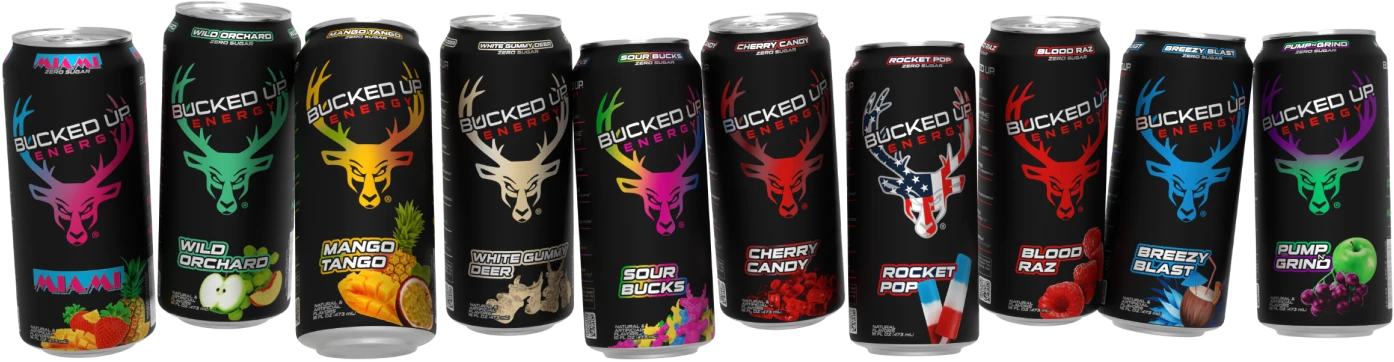
Explore the full range at Bucked Up Pre-Workout or find your caffeine level match based on your training profile.
How to Read Any Performance Energy Label
-
Total caffeine per serving. Check whether the label reflects a single serving or the full container. Know your daily total from all sources and stay within the FDA’s 400 mg daily threshold for healthy adults.
-
Full ingredient disclosure. Every active compound should list its individual dose. If a label shows a “proprietary blend” with a single combined weight, you cannot evaluate dosing adequacy or safety.
-
Supporting compounds for focus and endurance. Look for disclosed amounts of ingredients such as Alpha GPC for focus support* and Beta-Alanine for endurance support.* Presence on the label is not enough. The dose must be visible.
-
Sugar content. Check whether the product relies on added sugars for flavor and consider the metabolic impact of drinking it regularly.
-
Suitability for your tolerance level. Caffeine sensitivity varies. Individual sensitivity to caffeine varies widely, as does the rate at which people eliminate it from the body, so some individuals may experience side effects at doses lower than 400 mg per day.
Choosing a Bucked Up Formula for Your Training Profile
Beginners and caffeine-cautious users. The standard Bucked Up pre-workout contains 200 mg of caffeine per serving alongside Citrulline Malate, Beta-Alanine, AlphaSize Alpha GPC, and Senactiv, all at disclosed amounts. For users who train in the evening or are sensitive to stimulants, the Non-Stimulant Pre-Workout delivers the same pump, focus, and endurance support* with zero caffeine.
Dedicated gym-goers. Woke AF steps up to 333 mg of caffeine and adds Synephrine HCl and Dendrobium for users who have built a higher stimulant tolerance. Full ingredient disclosure remains intact.
Advanced athletes. Mother Bucker delivers 400 mg of total caffeine split between 300 mg Caffeine Anhydrous and 100 mg Microencapsulated Delay Release Caffeine, which supports prolonged energy levels through training.* It also includes Nitrosigine for pump support,* Huperzine A and Alpha GPC for focus support,* and Beta-Alanine at 6.4 g for endurance support.*
Find a retailer near you at Bucked Up’s store finder.
*These statements have not been evaluated by the Food and Drug Administration. This product is not intended to diagnose, treat, cure, or prevent any disease.
Regulatory Guidance and Who Is at Higher Risk
Two regulatory bodies anchor the daily caffeine guidance most relevant to performance nutrition consumers. The FDA states that up to 400 milligrams of caffeine per day is generally not associated with negative effects in healthy adults, and estimates that toxic effects such as seizures can occur with rapid consumption of around 1,200 milligrams of caffeine. The EFSA NDA Panel concluded that habitual caffeine consumption up to 400 mg per day does not give rise to safety concerns for non-pregnant adults, and that single doses up to 200 mg do not give rise to safety concerns when consumed less than two hours prior to intense physical exercise under normal environmental conditions.
Population-specific warnings also appear in the literature. Groups at higher risk from energy drinks include people with heart disease, high blood pressure, a history of arrhythmias, those who are pregnant or lactating, and individuals combining energy drinks with intense exercise or alcohol. Individuals with anxiety disorders, panic disorders, bipolar disorder, or underlying cardiac conditions face elevated risk of severe adverse effects from high caffeine intake.
Benefits, Limits, and Everyday Use Tips
Transparent performance energy products give you a clear advantage over undisclosed formulas because you can evaluate what you are consuming before you drink it. Individual responses to caffeine and other active compounds still vary, so moderation remains essential regardless of label quality.
Pre-workout timing. Timing your intake to align with your training window helps you get performance benefits without unnecessary stimulant exposure. The EFSA guidance on single 200 mg doses within two hours before intense exercise offers a useful reference point for many lifters and athletes.
Evening training. Caffeine has a half-life that varies by individual. High caffeine intake from energy drinks can disrupt sleep even when consumed earlier in the day, and poor sleep can impair recovery, hormone regulation, and steady energy levels. For evening sessions, a stimulant-free pre-workout removes this variable entirely.
Caffeine sensitivity. Start at the lower end of the caffeine range and assess your response before increasing dose. Bucked Up’s product line is structured to allow this progression, from 0 mg to 200 mg to 333 mg to 400 mg, so you can dial in the right level without guessing.
Hydration. Energy drinks carry dehydration risk when they replace water during intense activity, which can worsen strain during workouts. Treat any caffeinated product as a supplement to adequate water intake, not a substitute for it.
Frequently Asked Questions
Is drinking an energy drink every day OK?
For most healthy adults, daily caffeine consumption up to the FDA’s 400 mg threshold is considered generally safe. Whether a specific energy drink fits within that threshold depends on its caffeine content per serving and how many servings you drink. The concern with daily energy drink use is not caffeine alone.
Regular consumption of products with high added sugar content introduces metabolic considerations over time. Products that combine multiple stimulants, including guarana, taurine, and high-dose caffeine, can push total stimulant load higher than the label suggests. If you train daily and want a consistent pre-workout option, a fully disclosed formula with a caffeine level matched to your tolerance is easier to evaluate than a mainstream energy drink with undisclosed ingredient amounts.
What organ is most affected by energy drinks?
The heart receives the most documented attention in the research literature on energy drink risks. Reported effects include elevated heart rate, elevated blood pressure, and, in higher-risk individuals, rhythm disturbances.
The liver also plays a key role. Caffeine is metabolized primarily by the CYP1A2 enzyme, and individuals with impaired liver function experience a prolonged caffeine half-life, which means the stimulant remains active in the body longer and at higher effective concentrations. The brain is affected as well, because caffeine’s primary mechanism involves blocking adenosine receptors that regulate sleep and arousal. Long-term disruption of this system through daily high-dose caffeine use can alter baseline adenosine receptor sensitivity, which contributes to tolerance and withdrawal effects when intake is reduced or stopped.
What are the healthiest energy drinks?
No single product category qualifies as universally “healthiest,” because individual health status, caffeine tolerance, training volume, and ingredient sensitivity all vary. The evaluation criteria that matter most are total caffeine per serving at a disclosed amount, absence of undisclosed proprietary blends, low or no added sugar, and a caffeine level appropriate for your body weight and tolerance.
A 150 lb person and a 220 lb person will respond differently to the same 300 mg caffeine dose. Products that disclose every ingredient and its exact amount give you the information needed to make that assessment. Bucked Up pre-workout formulas center on full ingredient disclosure, with caffeine options ranging from zero to 400 mg, so the selection process is based on your actual profile rather than guesswork. For users who want performance support without any stimulants, the Non-Stimulant Pre-Workout supports pump, endurance, and focus* with no caffeine at all.
Conclusion: Align Your Performance Energy With Your Training
Energy drink health risks are real, documented, and tied to specific formulation patterns such as high or undisclosed caffeine loads, added sugars, multiple stacked stimulants, and proprietary blends that prevent meaningful label evaluation. The answer is not to abandon performance nutrition. A better approach is to apply the same standards to your pre-workout that you apply to your training: know what you are putting in, know why it is there, and match the dose to your actual needs.
Bucked Up pre-workout formulas are manufactured in GMP-certified facilities in the USA, disclose every ingredient and dose, and span a caffeine range from zero to 400 mg to fit a wide range of experience levels. You get support for energy, focus, pump, and endurance* without guesswork.
Find your fully disclosed pre-workout formula built for your training level.
*These statements have not been evaluated by the Food and Drug Administration. This product is not intended to diagnose, treat, cure, or prevent any disease.
References
U.S. Food and Drug Administration. (2023). Spilling the beans: How much caffeine is too much? https://fda.gov/consumers/consumer-updates/spilling-beans-how-much-caffeine-too-much
European Food Safety Authority. (2015). Scientific opinion on the safety of caffeine. EFSA Journal, 13(5), 4102. https://efsa.europa.eu/en/efsajournal/pub/4102
Houston Methodist. (2026, April). Could energy drinks be bad for your heart? https://houstonmethodist.org/blog/articles/2026/apr/could-energy-drinks-be-bad-for-your-heart
University of Rochester Medical Center. Are energy drinks bad for you? https://urmc.rochester.edu/news/publications/health-matters/are-energy-drinks-bad-for-you
European Parliamentary Research Service. (2025, December). Energy drinks: Health risks and regulatory landscape. EPRS_BRI(2025)779236. https://europarl.europa.eu/RegData/etudes/BRIE/2025/779236/EPRS_BRI(2025)779236_EN.pdf
Catholic Health. Hidden health risks of energy drinks. https://catholichealthli.org/blog/hidden-health-risks-energy-drinks
CV Health Clinic. How energy drinks affect the heart. https://cvhealthclinic.com/news/how-energy-drinks-affect-the-heart
Liv Hospital. Caffeine: Mechanisms and effects. https://int.livhospital.com/drugs/caffeine
1 The content provided in this article is for informational purposes only and is not medical advice. Consult with a medical professional before implementing any changes to your diet, health, or exercise routines. Individual results will vary and are based on a combination of each individual’s diet, exercise, age, and health circumstances. These statements have not been evaluated by the Food and Drug Administration. This product is not intended to diagnose, treat, cure or prevent any disease.
This article was written by Ryan Gardner, CEO of Bucked Up. As the maker of Bucked Up Energy Drinks, we have a financial interest in this information. The views expressed are our own and should be read with that context in mind.


Leave a Reply