

Written by: Ryan Gardner, Owner, Managing Partner, CEO, Bucked Up
Key Takeaways
- Energy drinks that exceed 300 mg caffeine, 50 g sugar, or use undisclosed stimulants per serving carry the highest health risks based on current research.
- Daily caffeine intake above 300 mg is linked to higher blood pressure, inflammation, and vascular stress according to a 2026 study.
- Excess sugar from energy drinks contributes to fatty liver disease, weight gain, and increased heart disease risk over time.
- Undisclosed proprietary stimulant blends make it hard to track total daily intake and are worth avoiding.
- For a transparent option with disclosed ingredients and moderate caffeine, shop Bucked Up Performance Energy Drinks.
What Makes an Energy Drink Most Unhealthy?
The unhealthiest energy drink is not a single brand. It is a profile: very high caffeine, very high sugar, and a label that hides how much of each stimulant you actually get. Drinks that combine all three traits fall into the highest-risk category based on current evidence.
A 2026 study published in Frontiers in Cardiovascular Medicine found that habitual caffeine consumption above 300 mg per day was associated with higher systolic arterial pressure, elevated IL-6 inflammatory markers, and higher E-selectin concentrations, a biomarker linked to endothelial stress, compared to low consumers taking in under 50 mg per day. The study authors recommended keeping chronic caffeine intake at the lowest dose that still feels effective.
On the sugar side, Harvard Health notes that high sugar intake overloads the liver, where dietary carbohydrates are converted to fat. Over time, that overload contributes to fatty liver disease, a pathway linked to diabetes and metabolic disease risk. A 2023 BMC Medicine study analyzing data from more than 110,000 people found that higher intake of added sugars was linked with higher risks of heart disease and stroke, with risk rising as intake increased.
Drinks that stack 300-plus mg of caffeine on top of 50-plus grams of sugar, while hiding additional stimulants in undisclosed blends, represent the worst combination the market currently offers. That profile serves as the benchmark for judging how risky any energy drink looks.
Ready to see what a fully disclosed label looks like instead? View the complete Bucked Up Performance Energy Drink ingredient list and order online.
Red Bull vs Monster: Which Scores Higher on the Risk Scale?
Evaluated against the three danger criteria, Monster exceeds Red Bull on two of the three thresholds, though neither drink is risk-free at high consumption volumes.
A standard 8.4 oz can of Red Bull contains approximately 80 mg of caffeine and 27 g of sugar. A standard 16 oz can of Monster Energy contains approximately 160 mg of caffeine and 54 g of sugar. Monster’s standard 16 oz serving therefore crosses the 50 g sugar threshold. Red Bull’s standard can does not, although larger Red Bull formats scale those numbers upward.
A single 16–24 oz energy drink can contain up to 300 mg of caffeine, which can approach or exceed the FDA-aligned 400 mg daily ceiling in one sitting.1 Neither Red Bull nor Monster reaches that level in a single standard can. Both, however, are frequently consumed in multiples, and very high doses of caffeine, particularly over 600 mg consumed in a short period, can cause serious symptoms including arrhythmias and elevated blood pressure according to the CardioVascular Health Clinic.
On the stimulant-disclosure criterion, both brands list taurine and B vitamins on their labels. Energy drinks combining taurine with caffeine may increase blood pressure, heart rate, and QTc prolongation beyond the effects of either ingredient alone, according to clinical studies cited by the Alzheimer’s Drug Discovery Foundation. Because both Red Bull and Monster disclose their taurine amounts on the label rather than hiding them in proprietary blends, consumers can at least track their total stimulant intake, which offers a transparency advantage over some competitors.
The verdict: Monster’s standard serving crosses the sugar danger threshold. Red Bull’s standard serving does not, although larger formats and multi-can consumption change that calculus quickly. To understand how these same ingredients affect long-term health, it helps to look at specific organs next.
Kidney Stress from High-Caffeine and High-Sugar Drinks
High-sugar energy drinks and high-caffeine energy drinks both place stress on renal function through different mechanisms. The combination creates the most concerning scenario.
The CDC links frequent sugar-sweetened beverage consumption, a category that includes many energy drinks, to obesity, type 2 diabetes, and non-alcoholic liver disease. These conditions are associated with downstream kidney stress over time. Drinks with 50 g or more of sugar per serving can accelerate those pathways faster than lower-sugar options.
On the caffeine side, the 2026 Frontiers in Cardiovascular Medicine study found that high habitual caffeine consumers above 300 mg per day showed elevated E-selectin concentrations, a marker of vascular endothelial stress, compared to low consumers. Sustained vascular stress from chronic high-caffeine intake raises concerns for long-term organ health, including the kidneys.
Drinks that combine high caffeine, high sugar, and undisclosed additional stimulants represent the highest-risk profile for kidney and liver stress. Energy drinks with 300-plus mg caffeine and 50-plus g sugar per serving, consumed daily, sit at the top of that concern list.
How Energy Drinks Impact the Liver and Kidneys
The liver takes the first hit from high-sugar energy drinks. The research is direct. Harvard Health explains that excess dietary sugar is processed in the liver, where it is converted to fat, and that chronic overload contributes to fatty liver disease. Energy drinks with 50-plus grams of sugar per serving deliver a significant portion of that load in a single sitting.
Beyond the liver, the 300 mg daily caffeine threshold identified in the cardiovascular study was associated with elevated systolic arterial pressure and higher plasma IL-6 concentrations, an inflammatory marker, compared to low consumers. A JAMA study found that consuming one energy drink increased norepinephrine levels by 73.6% versus 30.9% for placebo, contributing to blood pressure spikes. Sustained blood pressure elevation places stress on the kidneys over time, since they regulate fluid and pressure balance continuously.
The practical summary: the liver is most directly affected by high-sugar energy drinks. The kidneys face compounding stress from both the sugar and the caffeine load in high-stimulant options.
How to Evaluate Any Energy Drink Against the Three Danger Criteria
This framework lets you evaluate any energy drink instead of relying on a fixed ranking. Apply these criteria to any label you pick up.
Criterion 1: Caffeine above 300 mg per serving. The 2026 Frontiers in Cardiovascular Medicine study identified 300 mg per day as the threshold above which habitual consumers showed measurably higher systolic pressure, heart rate, and inflammatory markers. Any single-serve drink at or above that level puts you at or over that threshold in one sitting.
Criterion 2: Sugar above 50 g per serving. The CDC links frequent sugar-sweetened beverage consumption to weight gain, type 2 diabetes, and non-alcoholic liver disease. The Dietary Guidelines for Americans 2025–2030, as cited by Harvard Health, recommend no more than 10 g of added sugars per meal. A drink with 50-plus grams exceeds that guidance by roughly five times.
Criterion 3: Undisclosed stimulant blends. Dr. Roger Clemens, pharmacy professor at the University of Southern California, notes there is no standard regulatory definition for energy drinks under the FDA.1 Brands can therefore use proprietary blends that obscure individual stimulant doses. When you cannot verify how much of a stimulant you are consuming, you cannot manage your total daily intake.
Drinks that meet all three criteria, high caffeine, high sugar, and hidden stimulant amounts, represent the most dangerous profile on the market. Check the label of any energy drink you are considering against these three numbers before you buy.
Healthier, Transparent Alternatives to High-Risk Drinks
A safer alternative to a high-risk energy drink does not require giving up energy support. It means choosing a product where every ingredient amount is disclosed and the caffeine level stays below the 300 mg threshold associated with elevated risk markers.
The European Food Safety Authority states that up to 400 mg of caffeine per day does not raise safety concerns for non-pregnant healthy adults, and Health Canada aligns with the same 400 mg ceiling. A product with moderate, disclosed caffeine, well below 300 mg per serving, gives you room to manage your total daily intake without guesswork.
Bucked Up Performance Energy Drinks use disclosed ingredient amounts, moderate caffeine levels, and no hidden stimulant blends. You can read the label, know exactly what you are consuming, and decide whether it fits your daily intake. For gym-goers and everyday achievers who want energy and focus support without the risks tied to 300-plus mg caffeine or 50-plus g sugar products, that transparency becomes a practical differentiator.1
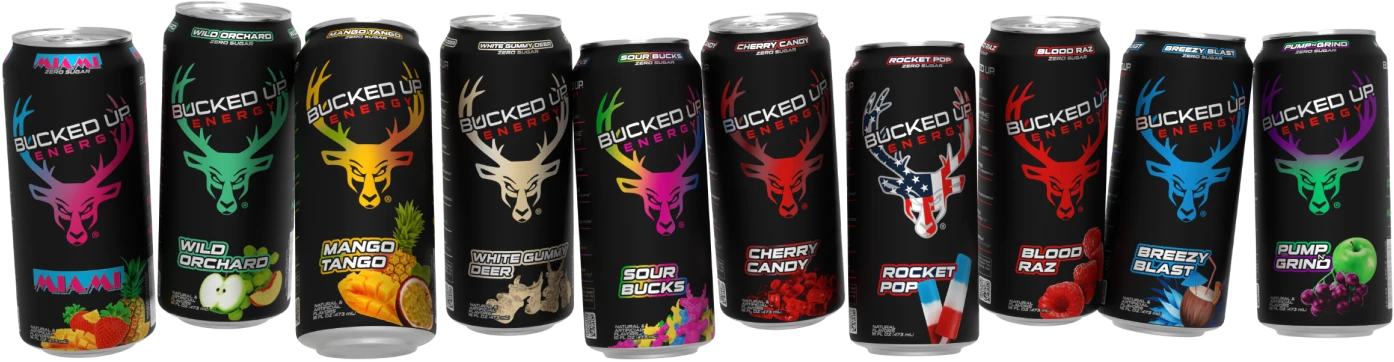
Find Bucked Up Performance Energy Drinks near you at the Bucked Up store finder, or order a case online to see the full label before you buy.
Frequently Asked Questions
Can I safely drink one energy drink a day?
For most healthy adults, one energy drink per day can fall within safe caffeine limits if the drink contains no more than 400 mg of caffeine total and is not combined with other caffeine sources like coffee or pre-workout supplements. The FDA and Health Canada both align on a 400 mg daily caffeine ceiling for healthy non-pregnant adults.1
Many energy drinks contain 200 to 300 mg of caffeine per can, which means a single drink plus a morning coffee can push you close to or past that limit. Sugar content matters independently. A drink with 50-plus grams of sugar per serving contributes meaningfully to daily added sugar intake regardless of caffeine.
Children, adolescents, pregnant individuals, and people with caffeine sensitivity should avoid energy drinks or consult a healthcare provider before consuming them.
How much caffeine is too much according to current guidelines?
Current guidance from the FDA, Health Canada, and the European Food Safety Authority converges on 400 mg of caffeine per day as the upper limit for healthy non-pregnant adults.1 Above 600 mg consumed in a short period, symptoms including elevated blood pressure, anxiety, and arrhythmias have been documented in case reports and clinical studies.
A 2026 study in Frontiers in Cardiovascular Medicine identified 300 mg per day of habitual intake as a threshold above which consumers showed measurably higher systolic pressure and inflammatory markers compared to low consumers. Pregnant individuals are advised to stay under 200 mg per day by the American College of Obstetricians and Gynecologists.
The practical takeaway is straightforward. A single energy drink at or above 300 mg of caffeine per serving uses up most or all of your daily safe allowance in one sitting, leaving no room for coffee, tea, or any other caffeinated product.
Do sugar-free energy drinks avoid the main risks?
Sugar-free energy drinks remove the sugar-related risks, including blood sugar spikes, fatty liver stress, and the caloric load associated with high-sugar beverages. That change creates a meaningful improvement over high-sugar options.
Sugar-free, however, does not mean risk-free. Many sugar-free energy drinks retain high caffeine levels, sometimes 200 to 300 mg or more per serving, along with taurine and other stimulants. The caffeine-related risks, including elevated blood pressure at high doses, sleep disruption, and inflammatory markers associated with habitual intake above 300 mg per day, remain present regardless of sugar content.
Some sugar-free drinks also use artificial sweeteners like sucralose and aspartame, which research is still evaluating for long-term metabolic effects. The safest approach is to evaluate both the caffeine content and the full ingredient list of any sugar-free option, not just the sugar line on the nutrition facts panel.
What should I look for on an energy drink label?
Four things matter most. First, total caffeine per serving. Look for a disclosed milligram amount and compare it to the 400 mg daily ceiling.
Second, added sugar per serving. The Dietary Guidelines for Americans 2025–2030 recommend no more than 10 g of added sugars per meal, so a drink with 50-plus grams raises concern.
Third, stimulant transparency. If the label lists a “proprietary blend” without individual ingredient amounts, you cannot verify your total stimulant intake.
Fourth, serving size. Some energy drinks list nutrition facts for half a can, which means the caffeine and sugar numbers on the label need to be doubled for a full-can serving. A label that discloses every ingredient by name and amount, with no hidden blends, should be the baseline standard for any energy drink worth buying.
Conclusion: Putting the Energy Drink Risks in Perspective
The three danger criteria for the most unhealthy and dangerous energy drinks are caffeine above 300 mg per serving, sugar above 50 g per serving, and undisclosed stimulant blends. Any drink that meets one of those thresholds warrants caution. Any drink that meets two or three warrants avoidance, especially for daily use.
The research is consistent. Habitual caffeine intake above 300 mg per day is associated with elevated blood pressure markers and inflammatory signals. Frequent high-sugar beverage consumption is linked by the CDC to weight gain, type 2 diabetes, and non-alcoholic liver disease. Undisclosed stimulant blends then make it impossible to manage your total daily intake with any accuracy.
Bucked Up Performance Energy Drinks use disclosed ingredient amounts and moderate caffeine levels, giving you the information you need to make an informed choice. Find them at the Bucked Up store finder or order online to stock up. Read the label. Know what you are drinking. That is the whole point.
References
Tardo-Dino, P. E., Guinet-Lebreton, A., Raberin, A., Bourrilhon, C., Malgoyre, A., & Koulmann, N. (2026). Acute caffeine intake provokes immuno-inflammatory and cardiovascular responses during total sleep deprivation. Frontiers in Cardiovascular Medicine. https://pmc.ncbi.nlm.nih.gov/articles/PMC12901335
Centers for Disease Control and Prevention. (2024). Sugar-sweetened beverages: Data and research. U.S. Department of Health and Human Services. https://cdc.gov/nutrition/php/data-research/sugar-sweetened-beverages.html
1 The content provided in this article is for informational purposes only and is not medical advice. Consult with a medical professional before implementing any changes to your diet, health, or exercise routines.
Individual results will vary and are based on a combination of each individual’s diet, exercise, age, and health circumstances.
These statements have not been evaluated by the Food and Drug Administration. This product is not intended to diagnose, treat, cure or prevent any disease.
This article was written by Ryan Gardner, CEO of Bucked Up. As the maker of Bucked Up Energy Drinks, we have a financial interest in this information. The views expressed are our own and should be read with that context in mind.


Leave a Reply