

Written by: Ryan Gardner, Owner, Managing Partner, CEO, Bucked Up
Key Takeaways
- A healthy daily energy drink should deliver a clearly labeled caffeine dose that fits under the FDA’s 400 mg daily guideline.1
- Full ingredient transparency without proprietary blends lets you see exactly what you are drinking and stack it with other caffeine sources more safely.
- Added electrolytes support hydration and muscle function, which makes them useful for consistent daily use rather than a simple marketing extra.1
- Drinking your energy drink 20–30 minutes before training and pairing it with food can support performance while reducing stomach discomfort.1
- Bucked Up Performance Energy Drinks provide transparent labeling and a formulation built with daily routines in mind, so you can explore the full lineup here.
The Daily Energy Challenge for Consistent Lifters
Training four or five times a week creates a real challenge. Your energy needs stay high, but your body’s response to stimulants changes over time. A can with 300-plus milligrams of caffeine every morning can feel powerful at first. After a few weeks, tolerance climbs, sleep quality drops, and that same drink can start to feel flat. The goal is not chasing the highest caffeine number. The goal is choosing a dose and formula that support performance and still feel sustainable over weeks and months.
This guide walks through daily caffeine limits, kidney considerations, morning routine timing, tolerance management, an evaluation framework for assessing products, and how Bucked Up’s formulation supports training goals. Bucked Up Performance Energy Drinks appear early as a reference point because they use full ingredient transparency without proprietary blends. Other products are mentioned in general terms where they help illustrate tradeoffs.
Daily Caffeine Limits for Long-Term Energy Drink Use
Mayo Clinic places the safe daily caffeine ceiling at 400 mg for most healthy adults, which roughly equals four cups of brewed coffee. For someone training four to five times weekly, that ceiling matters because caffeine often comes from several places in a single day. A morning energy drink, a pre-workout, coffee, or even a bar with added caffeine can all contribute. A single serving that stays well below 400 mg leaves room for those other sources without pushing total intake into a range where side effects become more likely.
The FDA confirms that 400 mg per day is generally not associated with dangerous negative effects for healthy adults and notes that U.S. energy drinks typically contain between 54 and 328 mg of caffeine per 16 fluid ounces.1 That spread is wide. A 300 mg serving sits toward the higher end of that range, so it can feel strong while still fitting under the daily guideline when used thoughtfully with other caffeine sources.
People who do not consume caffeine daily may react more strongly than regular consumers, according to Mayo Clinic. A regular gym-goer in their 30s who already uses caffeine consistently can often handle a higher single dose than a new user. Even so, the practical approach is to track total daily intake, start on the lower side for your body size, and adjust based on how you feel rather than chasing a specific number.
Kidney Health Considerations for Daily Energy Drink Users
The kidney concern around energy drinks is real, but context matters. Published case reports focus on extreme intake, not moderate daily use. A 2014 case report in Annals of Pharmacotherapy documented acute kidney injury in a patient with a two- to three-week history of consuming 100 to 120 ounces of energy drink daily, a volume far beyond any reasonable daily routine. A 2025 case report described energy drink-induced acute kidney injury where creatinine normalized within approximately two weeks after cessation, again in the context of excessive intake rather than one can per day.
The practical takeaway for a daily energy drink consumer stays simple. Keep total caffeine under the 400 mg daily guideline, choose a product with added electrolytes to support hydration, and treat multi-can binges as the real risk pattern highlighted in the research. Electrolytes matter here because better hydration can reduce strain on kidney function. Sodium and other electrolytes support fluid balance and normal muscle function, which turns their presence in a daily-use energy drink into a kidney-supportive feature rather than a cosmetic add-on.*
Timing Your Energy Drink Around Morning Training
Most morning lifters can keep timing straightforward. Drinking an energy drink 20 to 30 minutes before a session lets caffeine reach peak effect during the workout. The NIH Office of Dietary Supplements notes that caffeine can support alertness and exercise performance, and it highlights dose management because higher amounts increase the chance of side effects.*1
For lifters who train later in the day, timing affects sleep. The same NIH guidance notes that caffeine taken too late can disrupt sleep, which plays a central role in recovery and tolerance management. A serving consumed by early afternoon gives many adults enough clearance time to protect sleep, although individual metabolism varies. Pairing the drink with a meal or snack instead of taking it on an empty stomach can also reduce the chance of gastrointestinal discomfort, a side effect often mentioned in the research.
Find a Bucked Up retailer near you if you prefer to pick up cans locally as part of your morning routine.
Tolerance Management Strategies for Regular Caffeine Users
Caffeine tolerance builds with consistent daily use. Mayo Clinic recommends reducing caffeine intake gradually when consuming high daily amounts or experiencing side effects, since sudden stops can trigger withdrawal symptoms like headaches, tiredness, and trouble focusing that usually fade within a few days.
For regular trainers, practical tolerance management includes keeping per-serving doses reasonable, avoiding stacks of several high-caffeine products in the same window, and planning occasional low-caffeine or caffeine-free days. Side effects such as jitteriness, anxiety, insomnia, increased heart rate, and upset stomach become more likely as daily totals approach the 400 mg ceiling already discussed from FDA guidance. A clearly labeled serving helps you track intake and adjust your routine before those symptoms appear.
Evaluating Bucked Up Performance Energy Drinks for Daily Use
Evaluating Bucked Up Performance Energy Drinks against the key considerations established throughout this article produces a clear picture. Caffeine is listed at 300 mg per serving in Bucked Up Energy Drinks, which sits within the FDA’s 400 mg guideline for healthy adults when total daily intake stays controlled. Every ingredient and its amount appears on the label, with no proprietary blend hiding what is in the can. Sugar content stays low, which aligns with the broader trend toward sugar-free and low-calorie energy drink variants driven by demand for functional, clean-label products.
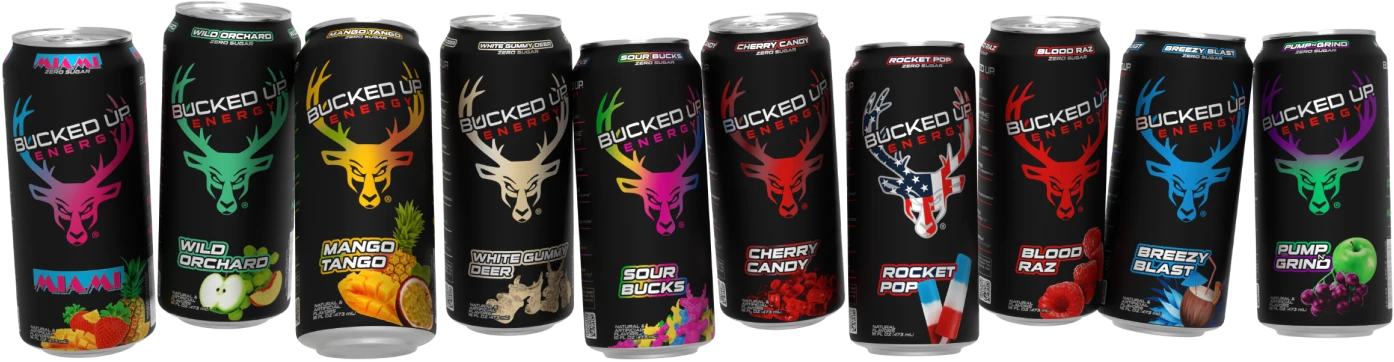
Some energy drinks on the market can use proprietary blends that group several ingredients under one combined weight, which makes it hard to judge individual amounts. Others carry caffeine totals above 300 mg per serving, which leaves less room for coffee, pre-workout, or other sources later in the day. Bucked Up’s transparent labeling approach addresses both concerns by giving daily users the information they need to plan stacking and stay within their personal limits.
How Bucked Up Performance Energy Drinks Fit Training Goals
Beyond caffeine content, daily-use performance drinks benefit from clear ingredient lists and supportive nutrients. Sodium and electrolytes help maintain fluid balance and normal muscle function during training, which matters for lifters who sweat through four or five weekly sessions.*1 B vitamins, including B12, support normal energy metabolism at the cellular level.1 This role explains why B-complex vitamins appear so often in performance-focused energy drink formulations alongside electrolytes and caffeine.*
For a daily consumer, this type of formula supports alertness and workout performance while still allowing room to manage total caffeine across the day.1 The drink works best as part of a consistent routine rather than as a rescue tool for chronic sleep debt. That distinction matters because an energy drink can support performance, but it cannot replace sleep, nutrition, or steady training habits.* Treating it as a supplement to good recovery instead of a substitute helps keep daily use on track.
The 2025 energy drink market has shifted toward better-for-you formulations with natural ingredients, reduced sugar, and added micronutrients. That direction mirrors the criteria used in this guide. Bucked Up’s formulation approach fits that movement while keeping the label readable at a glance.
Frequently Asked Questions
How much caffeine is safe to consume daily from energy drinks?
For most healthy adults, up to 400 mg of caffeine per day is generally considered safe, a threshold established by the FDA and supported by a 2017 systematic review cited in FDA guidance. For daily energy drink consumers who also use coffee, pre-workout, or other caffeinated products, keeping each serving clearly within that limit helps preserve flexibility. Individual sensitivity varies, so starting at a lower effective dose and watching for signs like jitteriness, elevated heart rate, or disrupted sleep is a practical way to dial in your routine.
Can drinking energy drinks every day affect kidney health?
Published kidney concerns around energy drinks come from extreme intake, not moderate daily use. Documented cases describe volumes of 100 ounces or more per day, which sits far outside a one-can-per-day pattern. Staying within the FDA’s 400 mg daily caffeine guideline, choosing a product with electrolytes to support hydration, and avoiding stacks of several high-caffeine products in a short window are practical steps that help keep daily use in a reasonable range. Anyone with existing kidney issues should talk with a healthcare provider before adding caffeinated products to a daily routine.
Is it better to drink an energy drink in the morning or before a workout?
For morning lifters, drinking an energy drink 20 to 30 minutes before training lines up caffeine’s peak effect with the workout. For afternoon or evening sessions, timing becomes more about sleep protection. Caffeine taken too close to bedtime can interfere with sleep quality, which plays a major role in recovery. Many adults do better when they leave at least six hours between their last caffeine serving and bedtime, although metabolism differs from person to person. Drinking with food instead of on an empty stomach can also reduce the chance of stomach discomfort.
How do I manage caffeine tolerance if I use an energy drink daily?
Managing tolerance involves keeping per-serving doses reasonable, avoiding several high-caffeine products in the same window, and planning regular low-caffeine or caffeine-free days. A product with a clearly stated caffeine amount lets you track intake more accurately across your day. If headaches, fatigue, or irritability appear when you skip a serving, that pattern suggests tolerance has built up. A gradual reduction period usually works better than an abrupt stop, which can produce short-term withdrawal symptoms.
Conclusion: Turning This Framework into Your Routine
The evaluation framework stays straightforward. Look for clearly labeled caffeine per serving, full ingredient transparency with no proprietary blends, and low or no sugar.* Compare your total intake against the FDA’s 400 mg daily guideline after counting every caffeine source. Adjust your dose, time it around your training window, and schedule periodic low-caffeine days so your sensitivity does not erode over time.
Bucked Up Performance Energy Drinks meet the transparency criteria with a fully open label and a 300 mg caffeine serving that can fit into a planned daily routine without using the entire FDA guideline in one can. For a gym-goer who trains four to five times weekly and tracks what goes into their body, that mix of transparency and controlled dosing can serve as a practical starting point for sustainable daily use.
*These statements have not been evaluated by the Food and Drug Administration. This product is not intended to diagnose, treat, cure, or prevent any disease.
1 The content provided in this article is for informational purposes only and is not medical advice. Consult with a medical professional before implementing any changes to your diet, health, or exercise routines.
Individual results will vary and are based on a combination of each individual’s diet, exercise, age, and health circumstances.
These statements have not been evaluated by the Food and Drug Administration. This product is not intended to diagnose, treat, cure or prevent any disease.
This article was written by Ryan Gardner, CEO of Bucked Up. As the maker of Bucked Up Energy Drinks, we have a financial interest in this information. The views expressed are our own and should be read with that context in mind.


Leave a Reply