

Written by: Ryan Gardner, Owner, Managing Partner, CEO, Bucked Up
Key Takeaways for Jitter-Free Energy
-
Many energy products create a sharp spike followed by a crash. Clean options focus on controlled caffeine sources and supporting ingredients to maintain steadier alertness with fewer jitters.
-
Key evaluation factors include caffeine source, exact dosages of supporting ingredients like L-theanine, and timing that fits your schedule and sleep needs.
-
Natural caffeine sources paired with compounds such as L-theanine at an approximate 2:1 ratio can promote relaxed focus and reduce overstimulation.1
-
Full ingredient disclosure and GMP manufacturing standards support transparency and consistency for Everyday Achievers who want reliable energy support.
-
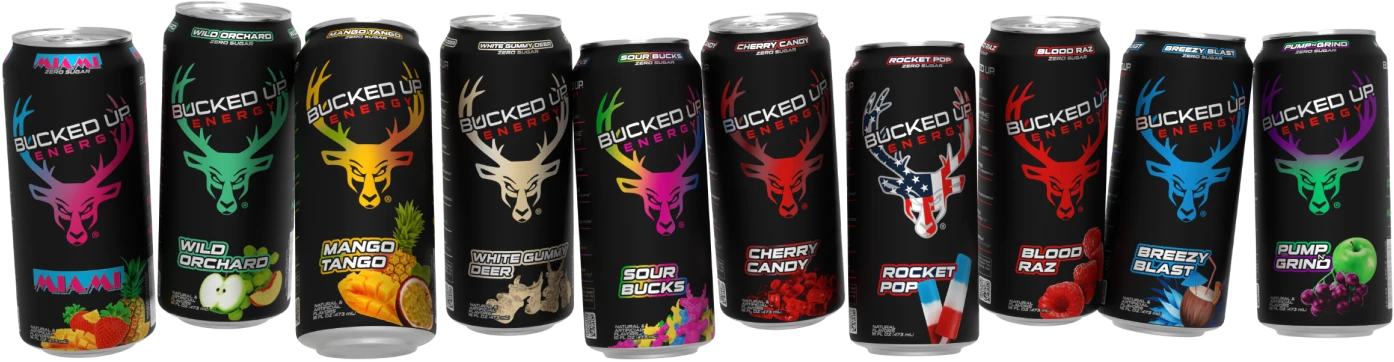
Everyday Achievers who want clean, jitter-conscious energy can explore Bucked Up energy drinks formulated for active lifestyles.
Why Jitter-Free Energy Matters for Busy, Active Adults
Everyday Achievers share one reality: their schedule does not forgive a two-hour energy slump. Some train early in the morning and still need to be sharp at a desk by 8 AM. Others lift in the afternoon and cannot afford a mid-session crash. Evening athletes need energy support that does not wreck their sleep that night.
Caffeine alone can create a sharp stimulant response. It works by blocking adenosine receptors in the brain, which normally signal drowsiness. When caffeine wears off, accumulated adenosine binds to those receptors and can trigger a sudden wave of tiredness, reduced focus, and a mood drop. A steeper initial spike often feels like a harder crash. Full ingredient disclosure helps you predict that response because exact dosages make it easier to anticipate how a product may behave in your body.
How to Judge Energy Products at a Glance
Three factors work together to determine whether an energy option supports sustained alertness or sets you up for a crash. Use them as your framework whenever you read a label.
First, caffeine source matters because origin influences how quickly caffeine absorbs and which plant compounds come with it. That absorption profile then shapes how supporting ingredients, the second factor, should be dosed. Amino acids like L-theanine, adaptogens, and B vitamins can moderate the stimulant response and support mental focus,* but only when present in quantities that match the caffeine dose and timing.1
The third factor is intended use timing. Caffeine has a half-life of 3 to 7 hours, so the time you consume it affects both performance and sleep quality. To reduce sleep disruption, avoid caffeine within about 6 hours of bedtime. These three factors interact in practice. A 300 mg dose from a natural source with no supporting ingredients behaves very differently from 100 mg of caffeine paired with L-theanine taken 30 minutes before a workout.
Market Shift Toward Transparent, Clean Formulations
The energy beverage category is changing quickly. A 2025 NSF survey found that 83% of U.S. consumers read food labels before purchase, with 79% checking ingredients first for free-from claims such as no artificial sweeteners or dyes. That behavior reflects mainstream expectations, not a niche trend.
About 73% of consumers are willing to pay more for beverages made with recognizable, naturally sourced, and minimally processed ingredients. Brands have responded to that demand. The organic segment of the energy drinks market is projected to grow at a CAGR of 9.7% from 2026 to 2033, outpacing the conventional segment. Proprietary blends that list ingredients without disclosing individual quantities now sit at odds with what many informed buyers expect. Full disclosure has become a baseline expectation rather than a premium feature.
How Caffeine Source and Key Ingredients Shape Your Energy
Clean, jitter-conscious energy starts with the caffeine source. The caffeine molecule is chemically identical whether it comes from plant sources or a lab; differences in user experience stem from dosage and accompanying plant compounds rather than the caffeine itself. Source still matters in real-world use because it changes how quickly caffeine hits and what comes with it.
Synthetic caffeine tends to absorb faster than natural caffeine because it lacks plant fibers, polyphenols, and amino acids that slow digestion. That faster uptake can create a sharper spike in energy followed by a quicker drop. Natural sources like green tea include L-theanine, which can support focus and reduce jitters,* while guarana provides slower release due to fiber and tannins.1 Yerba mate brings polyphenols and saponins that contribute their own effects.
L-theanine is the supporting ingredient with the strongest research base in this context. In a randomized, placebo-controlled trial of 44 healthy young adults, 97 mg L-theanine plus 40 mg caffeine improved task-switching accuracy and subjective alertness while reducing tiredness for 20 to 70 minutes post-dose compared to placebo (Giesbrecht et al., 2010). The approximate 2:1 L-theanine to caffeine ratio is the most commonly referenced target for supporting relaxed alertness without overstimulation.*1
On dosage, low-to-moderate caffeine doses of 40 to 200 mg improve alertness, reaction time, and working memory while being less likely to trigger jitteriness or anxiety than higher doses. That range covers most clean energy drink formulations and the entry-level end of pre-workout powders.
How Ingredient Combinations Shape Real-World Feel
Individual ingredients tell only part of the story. The real performance difference comes from how they interact in your system. Caffeine combined with L-theanine can produce a state of relaxed alertness by blocking adenosine receptors while increasing GABA production and acting as a glutamate reuptake inhibitor, which may reduce jittery side effects and support cognitive performance.*1 That mechanism explains why this pairing appears in many clean energy formulations.
Formulators also experiment with other supporting compounds. Adaptogens such as holy basil and schisandra berry are being added to energy beverage concepts alongside natural caffeine to layer stress-relief benefits and potentially moderate jitters.1 Amino acids like taurine show up frequently to support overall function.* The trade-off with adaptogens is consistency. They can introduce earthy flavor notes and solubility challenges that affect batch-to-batch reliability in ready-to-drink formats.
Powder formats avoid some of these constraints. A powder like Bucked Up pre-workout can include ingredients such as AlphaSize Alpha GPC to support mental focus* and Senactiv to support exercise performance* at disclosed quantities.1 Powders do not face the same stability and flavor-masking limits as many ready-to-drink beverages.
Standards to Look For in Clean Energy Products
Full ingredient disclosure is the non-negotiable starting point. A label that lists an ingredient without a quantity tells you little about dosage, and dosage drives effect. Look for products that list every ingredient with its exact amount per serving.
Once you know what is supposed to be in the product, you can ask whether it is manufactured consistently. Manufacturing standards matter separately from formulation. Products made in GMP-certified facilities meet defined quality and consistency standards for the manufacturing process itself. Bucked Up products are manufactured in the USA in GMP-certified facilities. That speaks to process integrity rather than any specific performance outcome.
Many beverage brands now use natural caffeine sources such as green tea, guarana, and yerba mate in clean energy drinks, which deliver energy along with additional plant-derived compounds. When you evaluate any product, check that the caffeine source is identified by name, not just listed as “caffeine” with no origin.
How to Check if a Product Fits Your Routine
Before choosing any energy option, walk through this quick checklist. It applies to both ready-to-drink cans and pre-workout powders.
Caffeine tolerance comes first. Consider how much caffeine you currently consume daily and whether you experience jitteriness or anxiety at that intake. If you do, start at the lower end of the 40 to 200 mg range and look for products that pair caffeine with L-theanine. Workout schedule comes next. Decide whether you train in the morning, afternoon, or evening. Given the half-life discussed earlier, evening caffeine use can interfere with sleep and create next-day fatigue.
Stimulant sensitivity is another key factor. If you have a history of anxiety, elevated heart rate, or sleep disruption from caffeine, a stimulant-free option may work better for evening sessions. Format preference also matters. Some people prefer a fixed-dose ready-to-drink product, while others want the flexibility to adjust serving size based on the day’s demands.
If you want to find Bucked Up products near you, the store finder can help you locate local retailers.
Common Mistakes When Picking an Energy Product
The most common mistake is ignoring exact ingredient quantities. A product can list L-theanine on the label at a quantity too small to support the relaxed alertness effect seen in research. Without the number, you cannot judge whether the dose is meaningful. Proprietary blends create this problem because they allow any quantity of an ingredient while still listing it prominently.
The second mistake is assuming all natural caffeine sources behave the same way. The key difference lies in what caffeine is paired with and how quickly it reaches your system. Guarana absorbs differently than green tea extract, and both behave differently from caffeine anhydrous. Source matters, but dose and overall formulation context still shape your experience.
A third mistake is overlooking timing. Consuming caffeine on an empty stomach can cause faster absorption that leads to more intense jitteriness, rapid heart rate, and anxiety. The same product taken with food at a different time of day can feel noticeably different.
When you apply these checks, you can narrow your options to products that match your tolerance, schedule, and ingredient preferences more reliably.
Comparing Ready-to-Drink and Powder Formats
Ready-to-drink energy beverages offer convenience and a fixed dose. You open the can and the formulation is set. That predictability helps people who want a consistent experience without measuring anything. The trade-off is that you cannot adjust the serving size, and RTD production constraints such as heat stability, shelf life, and flavor masking can limit which ingredients appear and at what quantities.
Powder formats provide customization that RTD products cannot match. You can adjust the scoop size to dial in the caffeine dose that fits your tolerance on a given day. You can also stack a pre-workout powder with other supplements without doubling up on ingredients you do not want to repeat. Bucked Up pre-workout powders disclose every ingredient quantity on the label, so you can verify the dose of each active ingredient instead of relying on a blend total.
The standard Bucked Up pre-workout contains 200 mg of caffeine anhydrous per serving, which sits at the upper end of the 40 to 200 mg range associated with alertness support without excess stimulation.* It also includes AlphaSize Alpha GPC to support mental focus* and taurine to support overall function.*1 For people who train at night or are sensitive to stimulants, the Non-Stimulant Pre-Workout option provides pump and endurance support* without any caffeine.1
Anyone interested in full label transparency can focus on pre-workout options that clearly disclose ingredient quantities and allow flexible dosing.
Frequently Asked Questions
What defines a clean energy drink?
A clean energy drink generally uses recognizable, naturally sourced ingredients and discloses all ingredient quantities on the label. It avoids artificial dyes or unnecessary fillers and relies on caffeine sources paired with supporting compounds rather than high-dose stimulants alone. There is no regulatory definition of “clean” for beverages, so you evaluate the term by reading the label directly. Helpful markers include a named caffeine source, disclosed milligram amounts for every active ingredient, and the absence of proprietary blends that obscure individual quantities.
How much caffeine supports energy levels without jitters?
Research points to the 40 to 200 mg range discussed earlier as the zone where many people experience alertness and focus support without significant jitteriness. Individual tolerance varies based on body weight in lbs, habitual caffeine intake, and sensitivity to stimulants. People new to caffeine or those with anxiety sensitivity may prefer the lower end of that range. Pairing caffeine with L-theanine at an approximate 2:1 ratio, L-theanine to caffeine, is a well-researched approach to supporting calm alertness without the overstimulation that can accompany higher doses.* If you feel unsure about your tolerance, starting with a half serving of any new product is a practical first step.
When should you consume energy support for workouts?
Most caffeine-containing pre-workouts and energy drinks are designed for use 20 to 45 minutes before training. That window lines up with the absorption profile for caffeine and many supporting ingredients. Timing relative to your sleep schedule matters as much as timing relative to your workout. Because caffeine has a half-life of 3 to 7 hours, consuming a caffeinated product within 6 hours of your intended bedtime can interfere with sleep quality, which then affects next-day energy and recovery. Morning and early afternoon training sessions allow the most flexibility. Evening athletes may want stimulant-free options to protect sleep.
Are there stimulant-free options for evening training?
Stimulant-free pre-workout formulas provide pump, endurance, and focus support* without caffeine or other stimulants, which makes them suitable for evening sessions or for people taking a break from caffeine. Bucked Up’s Non-Stimulant Pre-Workout includes Citrulline Malate to support nitric oxide production,* Beta-Alanine to support muscle endurance,* AlphaSize Alpha GPC to support mental focus,* and Senactiv to support exercise performance,* all without caffeine.1 This format can also help athletes who are caffeine-cycling or who train multiple times per day and want to limit total daily stimulant intake.
Conclusion: Using This Framework in Your Daily Routine
The decision framework for choosing clean energy drinks without jitters or crash centers on three steps. Know your caffeine source and how it absorbs. Verify that supporting ingredients like L-theanine appear at meaningful, disclosed quantities. Match your timing to both your sleep schedule and your training window. Run any product through the readiness checklist before you commit. If the label does not show exact quantities for every active ingredient, treat that as a meaningful data point in your decision.
Everyday Achievers who want a transparent, customizable option that supports energy, focus, pump, and endurance* can consider Bucked Up pre-workout powders as one possible fit.1 Full ingredient disclosure, GMP manufacturing, and a range of formulas from beginner-friendly to advanced allow you to match your current training level and caffeine tolerance. You can find them online or use the store finder to locate a retailer near you and choose a clean energy option with clear labeling and flexible dosing.
*These statements have not been evaluated by the Food and Drug Administration. This product is not intended to diagnose, treat, cure, or prevent any disease.
1 The content provided in this article is for informational purposes only and is not medical advice. Consult with a medical professional before implementing any changes to your diet, health, or exercise routines. Individual results will vary and are based on a combination of each individual’s diet, exercise, age, and health circumstances. These statements have not been evaluated by the Food and Drug Administration. This product is not intended to diagnose, treat, cure or prevent any disease.
This article was written by Ryan Gardner, CEO of Bucked Up. As the maker of Bucked Up Energy Drinks, we have a financial interest in this information. The views expressed are our own and should be read with that context in mind.


Leave a Reply