

Written by: Ryan Gardner, Owner, Managing Partner, CEO, Bucked Up
Key Takeaways
-
Traditional energy drinks often cause jitters and crashes. Jitter-free focus starts with matching caffeine dose to your personal tolerance and pairing it with L-Theanine.
-
L-Theanine supports calm mental focus* and often works well at about a 2:1 ratio to caffeine, so clearly labeled amounts on the supplement facts panel matter.1
-
Additional nootropics such as Alpha GPC, delayed-release caffeine, and full ingredient transparency help separate drinks built for sustained productivity from basic stimulants.1
-
Market data shows growing demand for clean-label, zero-sugar functional beverages with cognitive-support ingredients, reflecting a shift toward healthier energy options.
-
Ready to dial in your focus routine? Shop Bucked Up energy drinks and choose the caffeine tier that fits your needs.
How Jitter-Free Energy Drinks Actually Work
The core idea behind jitter-free energy is simple. Caffeine drives alertness, and L-Theanine, an amino acid found naturally in green tea, supports calm mental focus* that can balance the overstimulation higher caffeine doses sometimes create.1 A commonly referenced pairing in the nootropic community is a 2:1 ratio of L-Theanine to caffeine, such as 200 mg of L-Theanine with 100 mg of caffeine. Individual tolerance still determines where that ratio feels best for each person.
Tolerance tiers matter for every energy drink decision. A caffeine-naive individual may find 100 to 150 mg per serving more than enough. A regular coffee drinker may need around 200 mg to notice a clear effect. Someone with a well-developed stimulant tolerance may not feel much until 300 mg or more. Matching dose to tolerance is the first variable in any jitter-free strategy.
Why the Energy Drink Market Is Shifting Toward Focus Support
This focus on tolerance-matched, jitter-free formulations reflects a broader shift in consumer expectations. FACT.MR estimates the functional beverage market at USD 184 billion in 2025, with energy drinks holding approximately 42% of that share in 2026 because of established brands and wide retail distribution. The same analysis highlights clean-label trends that push demand toward botanical, adaptogen, and nootropic beverages. Premium formats with cognitive-support ingredients are growing faster and often command higher price premiums than conventional energy drinks.
The brain health functional beverage segment shows this shift even more clearly. Fortune Business Insights values the global brain health functional food and beverage market at USD 26.28 billion in 2025, with projected growth to USD 79.72 billion by 2034 at a 13.46% CAGR. North America accounted for 37.86% of that market in 2025. Ingredient categories driving this growth include caffeine and natural stimulants, amino acids, herbal nootropics, and adaptogen blends. These are the same ingredients consumers now look for when they search for jitter-free focus drinks.
Zero-sugar formats are growing alongside nootropic-focused products. Future Market Insights projects the zero-sugar beverages market to expand from USD 5.0 billion in 2026 to USD 19.6 billion by 2036 at a 14.7% CAGR, with sports and functional drinks expected to account for 37.3% of that demand in 2026. Consumers now want less sugar and more function in the same can.
Six Factors That Shape Jitter-Free Focus
Six variables determine whether an energy drink supports sustained focus without jitters for a specific person.
Caffeine amount. Mayo Clinic notes that up to 400 mg of caffeine per day appears safe for most healthy adults, while the European Food Safety Authority identifies single doses up to 200 mg as not raising safety concerns for healthy adults. Staying within a single-serving range that fits your tolerance is the starting point.
L-Theanine pairing. L-Theanine supports a smoother, calmer focus experience* and is frequently paired with caffeine in nootropic formulations.1 The presence and labeled quantity of L-Theanine on a supplement facts panel serve as a meaningful quality signal.
Additional nootropics. Ingredients such as Alpha GPC (AlphaSize®) and Huperzine A appear in some formulations to support mental focus and the mind-to-muscle connection.*1 Their presence, and their labeled dose, show whether a product is built for cognitive support or simple stimulation.
Release timing. Some formulations use microencapsulated delayed-release caffeine alongside standard caffeine anhydrous. This combination can extend the duration of energy support* instead of delivering a single sharp peak.1
Taste and format. A drink you will not finish cannot help you. Flavor quality affects how consistently you use the product, and consistency affects results.
Ingredient transparency. A fully disclosed supplement facts panel, with every ingredient and its exact amount listed, is the only way to apply the criteria above. Proprietary blends that list ingredients without quantities prevent any real evaluation of dosing fit.
Benefits, Limits, and Trade-offs of Caffeinated Focus Drinks
Stimulant-based energy drinks with L-Theanine can support sustained alertness and mental focus* across a multi-hour work session when the dose fits the individual.1 The limitation is that caffeine still acts as a stimulant. Even within the 400 mg daily limit mentioned earlier, Mayo Clinic lists potential side effects of heavy caffeine use, including headache, insomnia, nervousness, irritability, fast heartbeat, and muscle tremors, particularly when intake exceeds personal tolerance. Even 100 to 200 mg of caffeine taken near bedtime can disturb sleep, which can create a fatigue cycle if you rely on energy drinks to cover for poor rest.
Non-stimulant options serve people who are caffeine-sensitive, train at night, or are cycling off stimulants. These formulations rely on nootropics, adaptogens, and amino acids to support focus and performance* without any caffeine load.1 The trade-off is a different quality of alertness that feels more supportive than stimulating, which fits some situations and not others.
Duration versus intensity creates another key trade-off. A lower caffeine dose with delayed-release technology may support steadier energy across four to six hours.*1 A single higher-dose serving may feel stronger early on but taper faster, depending on individual metabolism.
Label Transparency and Manufacturing Standards
Ingredient transparency sets the baseline for any energy drink positioned as a healthy focus option. A fully disclosed label lets you verify caffeine content against your tolerance, confirm that L-Theanine appears at a meaningful quantity, and spot any additional stimulants that might contribute to jitters. Products that use proprietary blends can hide individual ingredient amounts, which blocks any serious evaluation.
Sourcing reputable caffeine forms also matters. Caffeine anhydrous is a well-studied, standardized form. Natural caffeine from green tea extract or guayusa appears in many premium formulations and appeals to consumers who prefer botanical sources. The key factor is that both source and quantity are clearly disclosed.
Manufacturing standards add another layer of quality assurance. Products made in GMP-certified facilities follow standardized production processes, which supports label accuracy and batch consistency.
Explore transparently labeled Bucked Up energy drinks built with focus in mind.
Checklist: Is a Focus Energy Drink a Good Fit for You?
Work through this checklist before choosing an energy drink for focus and productivity.
Caffeine tolerance. Start by estimating how much caffeine you consume daily from all sources. If you drink two to three cups of coffee, a 200 mg energy drink is a reasonable starting point. If you rarely consume caffeine, 100 mg or less is a safer entry.
Work schedule and timing. Once you understand your tolerance, think about when you will actually drink it. Given that caffeine can disturb sleep as noted earlier, timing the drink at least six hours before bed is a common guideline. If your focus window falls in the evening, a non-stimulant option may fit better.
Sleep quality baseline. Using caffeine to cover for chronic sleep deprivation creates a cycle that usually worsens over time. If poor sleep is the main issue, no energy drink can fully solve it.
Goal alignment. Decide whether you want two hours of sharp focus or four to six hours of steady, calm alertness. High-dose single-release caffeine usually serves the first goal. Lower-dose or dual-release formulations with L-Theanine usually serve the second.
Label check. Confirm that every ingredient and its exact amount appear on the label. Without that information, you cannot apply any of the criteria above with confidence.
Common Mistakes When Choosing Energy Drinks for Focus
The most common mistake is treating caffeine quantity as the only variable. More caffeine does not automatically mean more focus. Above individual tolerance thresholds, additional caffeine often produces anxiety, jitteriness, and impaired concentration instead of better performance. The International Society of Sports Nutrition notes that doses at or above 9 mg per kg of body weight provide no additional performance benefit and increase side-effect risk.
Ignoring L-Theanine ratios creates a second mistake. Choosing a drink based only on caffeine content, without checking whether L-Theanine is present and at what quantity, skips the ingredient most associated with the calm-focus effect that separates jitter-free options from standard energy drinks.
Relying on marketing claims alone is the third mistake. Phrases like “clean energy,” “natural focus,” and “zero crash” are marketing language, not formulation guarantees. The supplement facts panel remains the only reliable source for what is actually in the can and at what dose.
Comparing Healthy Energy Drinks for Focus and Productivity
Several criteria apply across any energy drink you consider for focus and productivity without jitters. These include labeled caffeine amount, presence and quantity of L-Theanine, additional nootropic ingredients, release format, sugar content, and full ingredient disclosure.
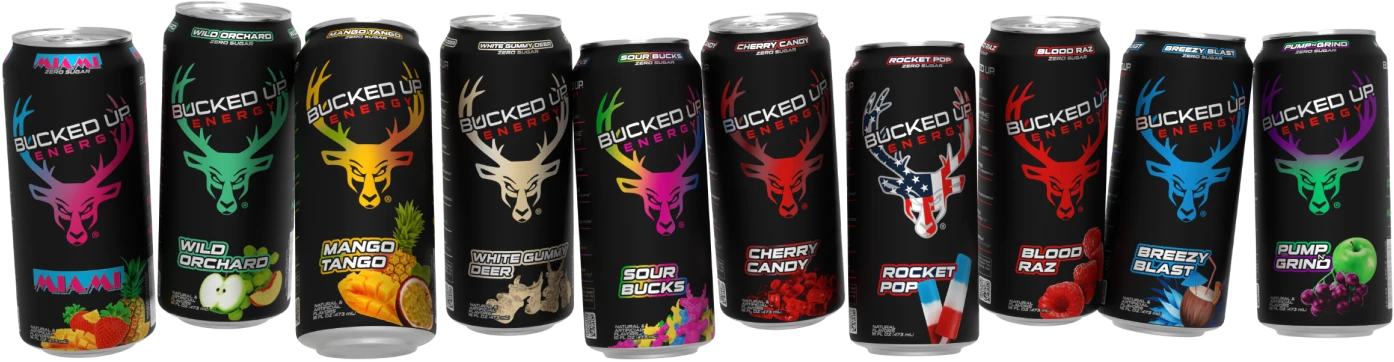
Bucked Up Energy Drinks can stand out in the transparent-labeling category. The brand discloses every ingredient and its quantity on the label, which lets you apply the decision framework above directly. Bucked Up offers multiple caffeine levels across its energy drink line, making it relevant across different tolerance profiles. The formulations include nootropic ingredients such as AlphaSize® Alpha GPC, which supports mental focus and alertness,*1 alongside caffeine. For consumers who want to verify exactly what they are consuming before choosing a caffeine level, the full product range is available at buckedup.com. You can then select the caffeine tier that fits your tolerance.
Green tea-based energy drinks use natural caffeine sourced from green tea extract, which naturally contains some L-Theanine. Caffeine content in these products varies widely by brand and serving size, so label verification still matters. These drinks appeal to consumers who prefer botanical caffeine sources and lower stimulant loads.
Nootropic-forward functional beverages in the brain health segment often combine lower caffeine doses with adaptogens, amino acids, and herbal nootropics.1 The trade-off is usually a milder alertness effect compared to higher-caffeine options, which suits users with low caffeine tolerance or those seeking stress relief alongside focus support.*
Zero-sugar conventional energy drinks with added L-Theanine form a growing subcategory. The key evaluation point is whether L-Theanine appears with a specific milligram amount or inside a proprietary blend. Without a disclosed quantity, you cannot assess the ratio.
Non-stimulant energy drinks contain no caffeine and rely entirely on nootropic and adaptogen stacks. They work well for caffeine-sensitive individuals, evening use, or stimulant cycling periods. Focus support from these products is real but feels different from caffeine-driven alertness.*1
Across all categories, the evaluation process stays the same. Read the label, verify the caffeine amount against your tolerance, confirm that L-Theanine is present and quantified, check for additional nootropics, and decide whether the release format matches your focus window. You can find Bucked Up energy drinks near you at energy.buckedup.com/where-to-buy.
Frequently Asked Questions
What energy drink does not make you jittery?
Jitters usually signal that caffeine intake has exceeded your tolerance or that the drink lacks ingredients that support calm alertness alongside stimulation. Energy drinks that disclose a moderate, tolerance-appropriate caffeine dose and include L-Theanine on the label offer a straightforward starting point.
L-Theanine, an amino acid found naturally in green tea, supports calm mental focus* and is frequently paired with caffeine in nootropic formulations for this reason.1 Reading the supplement facts panel and matching the caffeine amount to your current daily intake remains the most reliable way to find an option that works without overstimulation. Starting with a lower caffeine tier and adjusting upward is a practical approach if you are unsure about your tolerance.
What is the best energy drink for focus and energy?
The answer depends on your tolerance, work schedule, and what “focus” means for your task. For sustained, calm alertness across a multi-hour session, a drink with a moderate caffeine dose, disclosed L-Theanine content, and additional nootropic ingredients such as Alpha GPC often fits the criteria.
For higher-tolerance individuals who want stronger stimulation, a higher-caffeine option with delayed-release technology may align better with that goal. The key evaluation criteria are full ingredient disclosure, caffeine amount relative to personal tolerance, and the presence of focus-supporting nootropics at labeled quantities. No single product works best for everyone because tolerance and goals vary widely.
Does L-Theanine prevent crashes?
L-Theanine does not prevent caffeine crashes in a strict pharmacological sense. It supports calm alertness* while caffeine is active, which can make the overall experience feel smoother. The “crash” associated with energy drinks mainly occurs as caffeine clears the system and, in some cases, as high sugar content drives a blood glucose swing.
Choosing a zero-sugar or low-sugar formulation with a caffeine dose matched to your tolerance can reduce the intensity of that comedown. L-Theanine contributes to a more balanced experience during the active window, but it does not extend caffeine’s duration or remove the natural decline in alertness that follows.
How much caffeine is safe in an energy drink for daily use?
Mayo Clinic states that up to 400 mg of caffeine per day appears safe for most healthy adults, counting all sources such as coffee, tea, and supplements. For a single energy drink serving, the 200 mg threshold discussed earlier remains a common guideline.
In practice, daily use at the lower end of your effective dose range is more sustainable than consistently consuming at the upper limit. Caffeine tolerance builds over time, and cycling intake or taking periodic breaks can help maintain sensitivity. Anyone who is pregnant, breastfeeding, or has a cardiovascular condition should consult a healthcare professional before using caffeinated energy drinks regularly.
Are non-stimulant energy drinks effective for focus?
Non-stimulant energy drinks can support mental focus and alertness* through nootropic ingredients such as Alpha GPC, Huperzine A, and adaptogens, without any caffeine load.1 The quality of focus support feels different from caffeine-driven alertness. It is generally calmer, without a sharp stimulant onset and without the same type of decline. For individuals who are caffeine-sensitive, train or work in the evening, or are taking a break from stimulants, non-stimulant options offer a practical alternative. They do not replace the acute alertness caffeine provides, but they serve a distinct and useful role in a broader focus-support strategy.*
Conclusion: How to Choose a Healthy Focus Drink Without Jitters
Healthy energy drinks for focus and productivity without jitters start as a formulation question before they become a brand question. The decision framework stays consistent across products. Match caffeine dose to your tolerance, confirm that L-Theanine is present and quantified, look for additional nootropic support, consider release timing relative to your focus window, and verify that every ingredient and its amount is disclosed on the label. Proprietary blends that hide quantities prevent that evaluation.
The functional beverage market is moving toward cleaner labels and cognitive-performance formulations because consumers are asking for them. That shift benefits anyone willing to read labels carefully and apply the criteria above instead of choosing based on packaging or marketing language alone.
For a transparent starting point across multiple caffeine tiers, explore Bucked Up energy drink options at buckedup.com. You can also use the store finder at energy.buckedup.com/where-to-buy to locate options near you.
*These statements have not been evaluated by the Food and Drug Administration. This product is not intended to diagnose, treat, cure, or prevent any disease.
1 The content provided in this article is for informational purposes only and is not medical advice. Consult with a medical professional before implementing any changes to your diet, health, or exercise routines. Individual results will vary and are based on a combination of each individual’s diet, exercise, age, and health circumstances. These statements have not been evaluated by the Food and Drug Administration. This product is not intended to diagnose, treat, cure or prevent any disease.
This article was written by Ryan Gardner, CEO of Bucked Up. As the maker of Bucked Up Energy Drinks, we have a financial interest in this information. The views expressed are our own and should be read with that context in mind.


Leave a Reply