

Written by: Ryan Gardner, Owner, Managing Partner, CEO, Bucked Up
Key Takeaways
- Many energy drinks create a short spike and hard crash because of how they are formulated, not just caffeine sensitivity.
- Four factors drive sustained energy: caffeine dose and delivery, nootropic support, zero-sugar construction, and personal tolerance.
- Delayed-release caffeine and nootropics like L-theanine and Alpha-GPC can smooth the energy curve when paired with an appropriate caffeine dose.1
- Zero-sugar formulas avoid blood-glucose swings that contribute to afternoon fatigue and fading focus.1
- Ready to upgrade your energy routine? Shop Bucked Up Performance Energy Drinks for transparent formulas built with sustained performance in mind.
Four Pillars of Clean, Lasting Energy
Four variables do most of the work in determining whether an energy drink supports clean, lasting energy or creates a spike-and-crash pattern. Caffeine amount and delivery method control how fast stimulation arrives and how long it sticks around. Focus-supporting ingredients, often called nootropics, shape the feel of that energy so it comes across as smooth instead of wired. Sugar content influences blood glucose stability, which directly affects afternoon slumps and brain fog. Personal caffeine tolerance then determines which caffeine range makes sense for you. When you evaluate any product through those four lenses, you get a clearer picture than any simple ranked list can provide.
Energy Drink Market Shift Toward Zero Sugar and Focus Support
The zero-sugar energy drink segment is one of the fastest-growing areas in functional beverages. The North America sugar-free energy drinks market is projected to grow from USD 5.46 billion in 2026 to USD 6.56 billion by 2031, driven by health-conscious consumers who want sustained energy without the blood sugar volatility that comes with high-sugar formulas. The global zero sugar beverages market was valued at USD 70.83 billion in 2025 and is projected to reach USD 148.77 billion by 2033, with energy drinks playing a major role in that growth.
Formulators have also shifted toward pairing higher caffeine doses with complementary ingredients like nootropics and adaptogens to smooth the stimulant curve. Health-conscious buyers increasingly look for premium zero-sugar beverages that include nootropic compounds and natural caffeine sources for better focus and sustained energy. The market is clearly responding. The first step for you is learning how to read a label so you can separate performance-focused formulas from products built mainly for shelf appeal. The first concept to understand when reading any energy drink label is how caffeine delivery works.
Caffeine Dose and Delivery: How Your Energy Curve Is Built
Standard caffeine anhydrous absorbs quickly, which is why the energy onset feels sharp. That speed can work well for pre-workout timing, yet it can also contribute to a jittery, overstimulated feeling at higher doses. Microencapsulated delayed-release caffeine behaves differently. A lipid coating slows absorption so part of the caffeine dose enters the bloodstream later, extending the energy curve instead of front-loading it.
Bucked Up’s Mother Bucker pre-workout uses a split of 300mg caffeine anhydrous and 100mg microencapsulated delayed-release caffeine, for a total of 400mg, to support prolonged energy levels through training.*1 When you evaluate an energy drink, look for this kind of detail. Check whether a product discloses not only total caffeine but also the specific form or forms used. A label that lists only “caffeine” without naming the source or delivery method gives you far less to work with.
*These statements have not been evaluated by the Food and Drug Administration. This product is not intended to diagnose, treat, cure, or prevent any disease.
Nootropic Support: Ingredients That Shape Focus and Feel
Nootropics are ingredients that support cognitive function, and several pair well with caffeine to influence how your energy feels.1 Research has shown that combining caffeine with L-theanine can reduce the jittery, crash-prone effects often linked to caffeine alone, with a commonly studied ratio of 2:1 L-theanine to caffeine.
Alpha-GPC (as AlphaSize®) is another ingredient worth spotting on a label. It appears in Bucked Up performance formulas to support mental focus and the mind-to-muscle connection.*1 Huperzine A, an acetylcholinesterase inhibitor, shows up in advanced formulas like Mother Bucker to support memory and focus.*1 The mechanisms behind these ingredients are documented at the ingredient level, although individual responses vary. When you read an energy drink label, check whether nootropic ingredients appear with specific doses or inside a proprietary blend where actual amounts stay hidden.
*These statements have not been evaluated by the Food and Drug Administration. This product is not intended to diagnose, treat, cure, or prevent any disease.
Zero Sugar and Sweeteners: Why Your Afternoon Energy Matters
Sugar creates a rapid rise in blood glucose followed by a compensatory drop, and that drop is a well-recognized contributor to afternoon fatigue. Zero-sugar formulations avoid that mechanism entirely. Zero-sugar energy drinks like Monster Ultra have grown in popularity as more people reach for functional options that support sustained energy rather than a quick sugar rush.
Sweetener choice plays a role as well. Many consumers prefer natural sweeteners like stevia, monk fruit, and allulose, partly for taste and partly for clean-label preferences. When you evaluate a zero-sugar energy drink, read the sweetener panel closely. Natural options like stevia and monk fruit are generally well-tolerated, while some people report sensitivity to certain artificial sweeteners.
How Ingredient Combos Help or Hurt Your Energy
A higher total caffeine dose can support greater alertness and energy output,*1 yet the relationship between dose and smoothness is not linear. At doses above 300mg, individual tolerance becomes a major factor. Someone who trains regularly and consumes caffeine daily may find 300 to 400mg supports sustained performance without feeling overstimulated,* while someone newer to stimulants may experience anxiety or a sharp crash at the same level.
Nootropic stacks add another layer. The focus-supporting ingredients discussed earlier can help smooth the energy curve,*1 but they cannot fix a caffeine dose that is simply too high for a given person. The most consistent experiences usually come from a combination of zero sugar, disclosed nootropic doses, and a caffeine delivery method that matches your tolerance. No single ingredient guarantees a smooth ride. The full stack and the transparency of the label both matter.
*These statements have not been evaluated by the Food and Drug Administration. This product is not intended to diagnose, treat, cure, or prevent any disease.
Ready to try a formula built around transparency? Shop now and see exactly what is in every can.
Current Standards for Performance-Focused Energy Drinks
A performance-oriented energy drink today usually follows a few clear standards. Full ingredient disclosure with specific doses, not proprietary blends, forms the baseline. A caffeine source that matches the intended use case, such as fast-acting anhydrous for pre-workout timing or a split delivery for longer sessions, comes next. Disclosed nootropic support ingredients then round out a formula aimed at quality energy rather than just a high stimulant count.
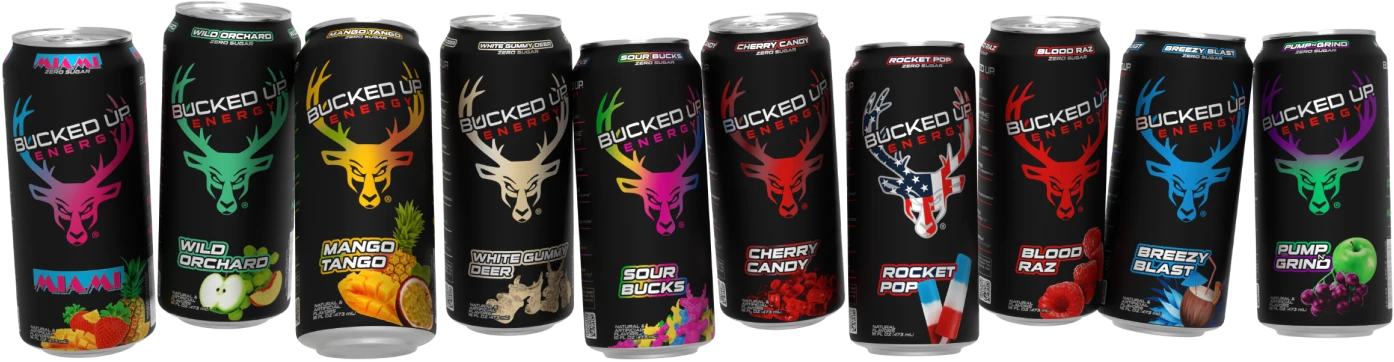
Bucked Up Performance Energy Drinks are formulated with this framework in mind and use transparent labeling so you know exactly what you are drinking. You can find them at a retailer near you using the Bucked Up store finder.
How to Tell If a Formula Fits Your Caffeine Tolerance
Before you select an energy drink for performance use, start with your baseline caffeine tolerance. If you consume caffeine daily and have done so for years, a moderate-to-high dose formula may fit your needs. If you are newer to stimulants or tend to feel sensitive to them, begin with a lower dose and build from there.
Once you know your tolerance ceiling, think about timing. A fast-acting formula often works well 20 to 30 minutes before training, while a split-delivery formula may better support longer sessions. Then match the energy duration to your goal, because a 60-minute workout has different needs than a four-hour work block. With dose and timing set, check the label for sugar content, sweetener type, and clearly disclosed nootropic doses instead of vague “focus blend” language.
Common Mistakes When Picking an Energy Drink
One common mistake is treating total caffeine milligrams as the only measure of energy quality. A 300mg caffeine product with no nootropic support and high sugar may create a sharper spike and a harder crash than a well-formulated 200mg product with L-theanine and zero sugar. Caffeine amount is only one part of the picture.
Another mistake is ignoring delivery method. Two products with the same total caffeine can feel very different if one uses standard anhydrous and the other includes a delayed-release form. The label reveals this difference when you know what to check. A third mistake is overlooking your own tolerance and choosing a product based solely on what works for someone else. Body weight in lbs, training history, and daily caffeine intake all influence how a given dose lands.
Step-by-Step: How to Compare Energy Drink Labels
You can apply the evaluation framework from earlier to any product you are considering. Open the supplement facts panel and ask a few direct questions. Is the caffeine dose disclosed along with the specific form, such as anhydrous, natural, or delayed-release? Are nootropic ingredients listed with individual doses, or are they hidden in a blend? Is the product zero-sugar, and which sweeteners does it rely on? Does the total stimulant load line up with your current tolerance level?
Bucked Up Performance Energy Drinks are built to meet these criteria, with full label transparency, a performance-focused nootropic stack, and a zero-sugar formulation. For gym-goers and high performers who want sustained energy support without guesswork, that combination is worth a direct comparison. Shop now and review the full formula.
Frequently Asked Questions
What makes an energy drink less likely to cause jitters?
Jitters usually show up when caffeine intake exceeds your personal tolerance and the product lacks ingredients that support a smoother response. Nootropic ingredients like L-theanine have been studied for their ability to support calmer, more focused energy when combined with caffeine. Zero-sugar formulations also remove the blood glucose spike-and-drop cycle that can amplify the uncomfortable side of high-caffeine products. Looking at both the caffeine dose relative to your own history and the presence of focus-supporting ingredients gives you a clearer sense of how smooth a product may feel for you.
How does delayed-release caffeine differ from standard caffeine?
Standard caffeine anhydrous absorbs quickly and produces a relatively fast onset of alertness. Microencapsulated delayed-release caffeine uses a lipid coating to slow absorption, so part of the caffeine dose enters the bloodstream later and extends the energy window. Products that use a split of both forms aim to support quick energy onset and sustained energy through a longer activity block. The key is clear labeling that shows which forms are present and at what doses, so you can choose based on your needs instead of guessing.
Is zero sugar actually better for sustained energy?
Zero-sugar formulations remove the blood glucose swings that come with sugar-sweetened beverages. When blood glucose rises sharply and then drops, that drop phase often brings fatigue and reduced focus, which many people experience as a “sugar crash.” A zero-sugar energy drink that uses stable, well-tolerated sweeteners avoids that specific mechanism, leaving caffeine and nootropic ingredients to drive the effect. Whether a particular zero-sugar product delivers sustained energy still depends on the rest of the formula, but removing sugar takes one major crash trigger off the table.
How do I know if a caffeine dose fits my tolerance?
A practical starting point is your current daily caffeine intake from all sources, including coffee, tea, and other beverages. If you regularly consume 200 to 300mg per day without side effects, a product in that range is likely within your tolerance. If you are newer to caffeine or have experienced anxiety or sleep disruption from it, start at the lower end of the available dose range and see how you respond before moving higher. Body weight in lbs can offer a rough reference point, but personal history with caffeine usually provides a more reliable guide than any single formula.
What should I look for on a label to avoid proprietary blends?
A proprietary blend appears as a single combined weight for a group of ingredients, without individual doses listed for each component. That structure prevents you from confirming whether any ingredient is present at a studied dose. To avoid proprietary blends, look for supplement facts panels that list each ingredient with its own milligram amount on a separate line. Bucked Up’s formulation philosophy centers on this kind of full disclosure, so every ingredient and its dose is visible on the label instead of grouped under a blend name.
Conclusion: Use This Framework Every Time You Buy
The most energizing energy drink without jitters or crash is not a single universal product. It is the drink that matches your caffeine tolerance, uses a delivery method suited to your activity duration, includes disclosed nootropic support ingredients, and removes sugar from the equation. You can verify all four criteria by reading the label.
Bucked Up Performance Energy Drinks use transparent ingredient disclosure, zero-sugar construction, and a performance-focused nootropic stack designed to support sustained energy and focus without guesswork.*1 If you are ready to move away from the spike-and-crash cycle, it may be time to compare a formula built differently. Shop now and put this framework to work.
*These statements have not been evaluated by the Food and Drug Administration. This product is not intended to diagnose, treat, cure, or prevent any disease.
References
Mordor Intelligence. (2026). North America sugar-free energy drinks market size and share analysis. https://mordorintelligence.com/industry-reports/north-america-sugar-free-energy-drinks-market
Grand View Research. (2025). Zero sugar beverages market size, share and trends analysis report. https://grandviewresearch.com/industry-analysis/zero-sugar-beverages-market-report
1 The content provided in this article is for informational purposes only and is not medical advice. Consult with a medical professional before implementing any changes to your diet, health, or exercise routines.
Individual results will vary and are based on a combination of each individual’s diet, exercise, age, and health circumstances.
These statements have not been evaluated by the Food and Drug Administration. This product is not intended to diagnose, treat, cure or prevent any disease.
This article was written by Ryan Gardner, CEO of Bucked Up. As the maker of Bucked Up Energy Drinks, we have a financial interest in this information. The views expressed are our own and should be read with that context in mind.


Leave a Reply