

Written by: Ryan Gardner, Owner, Managing Partner, CEO, Bucked Up
Key Takeaways
-
Most anxiety-sensitive adults start to feel symptoms above roughly 200 mg of caffeine per serving, so staying at or below that level is a practical first move toward jitter-free energy.
-
L-theanine, taurine, and adaptogens can help promote calm focus when paired with caffeine, so they are useful co-ingredients in low-jitter formulas.1
-
Transparent labeling that lists exact caffeine and ingredient amounts lets you match a product to your personal tolerance instead of guessing.
-
Non-stimulant pre-workouts support pump, endurance, and focus without caffeine, which can work well for evening training or very sensitive users.1
-
Shop Bucked Up energy drinks to find the right stim level for your needs: explore the full energy drink lineup.
Energy drinks that are less likely to trigger anxiety
No energy drink can guarantee zero anxiety for everyone, because caffeine sensitivity varies with genetics, body weight, and tolerance. You can still use clear criteria to narrow your options.
Look for products that stay at or below the 200 mg caffeine mark per serving. Healthcare providers often recommend keeping daily caffeine intake below 200 mg for people with anxiety disorders. After you check the caffeine number, look for calming co-ingredients. L-theanine, for example, promotes relaxed wakefulness by increasing alpha brain-wave activity and modulating inhibitory neurotransmitters, counteracting caffeine-induced jitteriness according to a 2022 review in Frontiers in Nutrition.1
Transparency matters as well. Products that disclose exact ingredient amounts let you calculate your personal threshold instead of guessing what is inside a proprietary blend. Bucked Up’s standard Bucked Up pre-workout lists every ingredient and its dose openly, which gives stim-sensitive users a clear starting point.
Energy drinks that feel the least jittery
Jitteriness usually comes from how much total stimulant load hits your system at once. Three main variables shape that load: total caffeine per serving, any added stimulant compounds, and whether calming ingredients sit alongside the caffeine.
A 150 lb adult has an estimated jitter threshold of roughly 200 mg caffeine. A 200 lb adult has a threshold closer to 270 mg, calculated as body weight in lbs divided by 2.2 to get kg, then multiplied by 3. Knowing your own approximate number is the first step.
The next step is checking for L-theanine. When combined with caffeine, L-theanine improves reaction time, attention accuracy, and subjective alertness without increasing nervousness or rapid heartbeat, per multiple human studies including Haskell et al. (2008) and Giesbrecht et al. (2010). A dose of 100 to 200 mg alongside caffeine is the range studied most often.
Another key step is avoiding stacked stimulants. Some high-stim formulas layer caffeine with synephrine, guarana, or other compounds that increase total stimulant load. If jitters are your concern, a single-source caffeine formula at a moderate dose gives you a cleaner place to start.
Ready to dial in your stack? Find your jitter-free formula in the Bucked Up energy lineup.
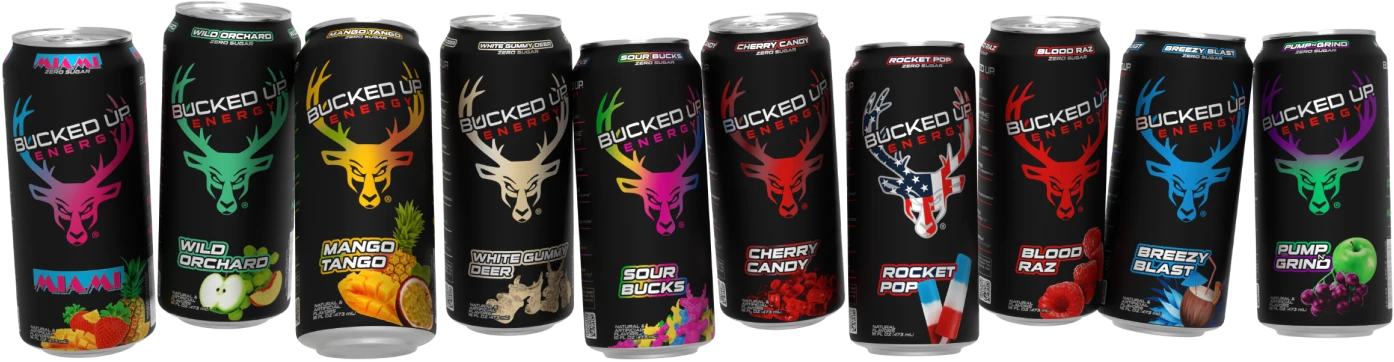
Energy options when you have anxiety
Your ideal energy drink depends on how sensitive you are and what you need the energy for.
Your choice also depends on where you sit on the stimulant-tolerance spectrum. If you train regularly and tolerate caffeine below 200 mg without major issues, a transparent formula at that ceiling with L-theanine or taurine for support can be a reasonable starting point. Taurine, included in Bucked Up’s standard formula, may support cognitive functions and cardiovascular health.*1
If you are more stim-sensitive, or you train late and want to protect your sleep, a non-stimulant option removes caffeine from the equation while still supporting performance. Bucked Up’s Non-Stimulant Pre-Workout delivers Citrulline Malate, AlphaSize Alpha GPC, Beta-Alanine, Taurine, and Senactiv to support pump, focus, and endurance without any caffeine.*1 That combination offers full-session training support with zero stimulant load.
Beyond the stim versus non-stim decision, a third path involves adaptogens as a calming energy layer. For those interested in that route, the research is growing. A 2026 randomized, double-blind, placebo-controlled trial found that a five-mushroom adaptogenic blend significantly reduced state anxiety, perceived stress, and multiple fatigue domains over 12 weeks, with biomarker analysis showing reductions in serum cortisol and norepinephrine. That provides meaningful human evidence for the calm-energy mechanism often discussed with adaptogens.
Low caffeine energy drinks for anxiety
Low caffeine is a relative term, so anchor it to your personal threshold. For most anxiety-sensitive adults, “low caffeine” means staying at or below the 200 mg threshold discussed earlier.
When you evaluate low-caffeine options, use these four criteria:
-
Disclosed caffeine amount. The label should list exact milligrams, not hide caffeine inside a “proprietary energy blend.”
-
No secondary stimulants. Guarana, synephrine, and high-dose bitter orange can add stimulant load on top of listed caffeine.
-
Calming co-ingredients. L-theanine, taurine, or adaptogenic herbs can support a smoother energy experience.*
-
Reasonable B-vitamin doses. Some energy products contain 20,000% or more of the daily value for B12, a level with unclear necessity for most adults.
Bucked Up’s standard pre-workout sits at exactly 200 mg caffeine per serving with a fully disclosed label, which makes it a transparent starting point for stim-sensitive users who still want to train hard. You can find it at a retailer near you through the Bucked Up store finder.
Building an energy drink plan without jitters
Jitter-free energy is realistic when you control a few key variables. The basic formula involves three levers you can adjust.
-
Stay below your personal caffeine ceiling. Use the 3 mg per kg body weight calculation from earlier as your starting guide and adjust based on how you feel.
-
Stack with L-theanine. L-theanine is linked to changes that promote alpha brainwave activity, associated with calm, focused relaxation. Many studies use 200 mg alongside caffeine.
-
Go non-stim if needed. If you have tried moderate-caffeine options and still feel overstimulated, removing caffeine entirely is a legitimate performance strategy, not a downgrade. Bucked Up’s Non-Stimulant Pre-Workout supports pump, endurance, and focus without any stimulant load.*1
The gainz do not require jitters. They require the right formula for your biology. Match your biology to the right Bucked Up formula.
Adaptogenic energy drinks and calm focus
Adaptogens are herbs, roots, and mushrooms studied for their potential to help the body adapt to physical and emotional stressors. Evidence on adaptogens is ingredient-specific and mixed, with ashwagandha carrying the strongest evidence base among commonly used options, with some randomized controlled trials suggesting reductions in stress, cortisol, and anxiety.
Adaptogens are especially interesting for anxiety-sensitive energy seekers because of their proposed mechanism. Adaptogens like ashwagandha and rhodiola exert a normalizing, bidirectional effect on physiology, downregulating overactive systems and stimulating depleted ones, unlike conventional stimulants that force the central nervous system to expend finite energy reserves.
The 2026 Restake mushroom-blend trial mentioned earlier is also relevant here. Participants experienced significant improvements in physical fatigue, mental fatigue, and general fatigue over 12 weeks, with no adverse effects reported and all safety parameters remaining within normal ranges. That pattern suggests a well-tolerated, stimulant-free path to fatigue reduction.
One caveat deserves attention. Adaptogens can cause jitteriness or anxiety when combined with caffeine in multi-ingredient energy blends. If you stack adaptogens with caffeine, keep total caffeine below your personal threshold and introduce one new ingredient at a time so you can see what is actually helping.
The adaptogenic beverages market reflects real consumer interest. The global adaptogenic beverages market was valued at USD 1.4 billion in 2025 and is projected to reach USD 2.7 billion by 2035, driven by rising demand for stress-relief functional drinks that deliver calm focus and sustainable energy.
Non stimulant pre workout for anxiety
A non-stimulant pre-workout removes caffeine and other stimulant compounds entirely, which gives anxiety-sensitive athletes a direct path to training with intensity.
A non-stim formula can deliver more than many people expect. The performance ingredients in a well-formulated non-stim pre-workout support pump, endurance, and focus through mechanisms that do not rely on stimulation:
-
Citrulline Malate supports healthy nitric oxide production to promote muscle pump.*1
-
Beta-Alanine supports muscle endurance by helping buffer lactic acid buildup.*1
-
AlphaSize Alpha GPC supports mental focus and the mind-to-muscle connection.*1
-
Senactiv may support VO2 max and athletic performance.*1
-
Taurine may support cognitive functions and cardiovascular health.*1
Bucked Up’s Non-Stimulant Pre-Workout includes all of the above with zero caffeine, making it a viable full-send training option for anyone whose anxiety threshold rules out stimulants entirely. It is also a practical choice for evening training sessions when caffeine would interfere with sleep.
Healthy alternatives to caffeine for energy
Caffeine is not the only way to support training energy. Several alternatives have emerging or supportive evidence.
-
L-theanine alone. L-theanine may support relaxation and stress reduction, though larger studies are needed to confirm findings.1 It will not replace caffeine’s stimulant effect, but it can support a calmer baseline from which to train.
-
Adaptogenic mushrooms. Lion’s Mane, Cordyceps, and Reishi have been studied for fatigue reduction and stress support. The 2026 Restake trial mentioned earlier showed meaningful fatigue improvements over 12 weeks with no stimulant compounds involved.
-
Rhodiola rosea. Rhodiola modulates central nervous system neurotransmitter activity and directly influences the HPA axis to regulate cortisol production, supporting stable, sustained energy rather than erratic spikes.1 A multicenter trial found up to 63% improvement in general burnout symptoms with 400 mg daily.
-
B vitamins and electrolytes. Vitamin B12 as Methylcobalamin may support neurological function and energy metabolism.*1 Himalayan Rock Salt with trace minerals supports electrolyte balance.*1 Both are included in Bucked Up’s formulas at disclosed doses.
-
Non-stim pre-workout ingredients. As outlined above, pump and endurance ingredients support training performance without any stimulant mechanism.*
Conclusion
The criteria for a jitter-free energy option center on four things. Keep caffeine at or below your personal threshold, which sits around 200 mg for many 150 lb adults. Look for transparent ingredient disclosure, calming co-ingredients like L-theanine or adaptogens, and no hidden secondary stimulants.
Bucked Up’s lineup covers a wide spectrum, from the 200 mg standard formula with a fully disclosed label to the zero-caffeine Non-Stimulant Pre-Workout that supports pump, focus, and endurance without any stimulant load.* Whether you are dialing in a moderate-stim stack or going full non-stim, the ingredients are on the label and the decision stays in your hands.
Choose your formula and take control of your energy.
*These statements have not been evaluated by the Food and Drug Administration. This product is not intended to diagnose, treat, cure, or prevent any disease.
FAQ
What caffeine amount is considered safe for people with anxiety?
Most healthcare providers suggest that anxiety-sensitive adults keep daily caffeine intake at or below 200 mg per day. This threshold is not universal, because genetics, body weight, and existing anxiety severity all influence where your personal ceiling sits.
A practical starting estimate is 3 mg per kg of body weight, which works out to roughly 200 mg for a 150 lb adult and roughly 245 mg for a 180 lb adult. Starting at the lower end and adjusting based on your own response is usually the most reliable approach. If you experience jitters, elevated heart rate, or increased anxiety after consuming a product, that gives you useful data about your personal threshold regardless of general guidelines.
Does L-theanine actually reduce jitters from caffeine?
L-theanine has been studied alongside caffeine in multiple human trials, and results suggest it can support a calmer, more focused energy experience compared to caffeine alone. The proposed mechanism involves L-theanine promoting alpha brainwave activity and modulating inhibitory neurotransmitters, which works alongside caffeine’s stimulating effects rather than directly opposing them.
Studies have used doses of 100 to 200 mg of L-theanine paired with caffeine. The evidence is promising but not definitive for every individual, because current research is limited by small study sizes, short timelines, and variable dosing protocols. L-theanine is generally well tolerated and is a reasonable ingredient to look for when you evaluate low-jitter energy options.
Can I still get a good workout with a non-stimulant pre-workout?
A well-formulated non-stimulant pre-workout can still support pump, endurance, and mental focus through mechanisms that do not involve caffeine or other stimulants. Ingredients like Citrulline Malate support healthy nitric oxide production for muscle pump,* Beta-Alanine helps buffer lactic acid to support endurance,* and AlphaSize Alpha GPC supports mental focus and the mind-to-muscle connection.*
Bucked Up’s Non-Stimulant Pre-Workout includes all of these at disclosed doses. The absence of caffeine means you will not get the sharp alertness spike that stimulants provide, but the training performance support from pump and endurance ingredients remains in place. Non-stim formulas are also practical for evening training sessions where caffeine would interfere with sleep.
What are adaptogens and do they actually work for energy?
Adaptogens are a category of herbs, roots, and mushrooms studied for their potential to help the body manage physical and emotional stress. Common examples include ashwagandha, rhodiola rosea, ginseng, and medicinal mushrooms like Lion’s Mane and Cordyceps. The evidence base varies significantly by ingredient. Ashwagandha has the most robust human trial data, with some randomized controlled trials showing reductions in cortisol and perceived stress. Rhodiola has been studied for fatigue reduction and burnout.
A 2026 randomized controlled trial of a five-mushroom blend showed significant reductions in fatigue and anxiety over 12 weeks with no adverse effects. The key distinction from caffeine is mechanism, because adaptogens are proposed to work by normalizing stress physiology rather than forcing stimulation. That is why they are relevant for anxiety-sensitive individuals seeking calm energy support. Results vary by person, and any benefits are generally modest rather than dramatic.
How do I find Bucked Up products near me?
Bucked Up products are available at many retail locations across the United States. Use the Bucked Up store finder to locate the nearest retailer carrying the specific formula you want. You can also order directly online to access the full product range, including energy drink cases and pre-workout options across all stim levels.
References
Liu, Y., et al. (2024). Caffeine intake and anxiety: A systematic review and meta-analysis. Nutrients. https://bodyspec.com/blog/post/caffeine_and_anxiety_science_genetics_relief
Ahmad, S. H., et al. (2026). Adaptogenic Effects of Mushroom Blend Supplementation on Stress, Fatigue, and Sleep: A Randomised, Double‐Blind, and Placebo‐Controlled Trial. PMC. https://pmc.ncbi.nlm.nih.gov/articles/PMC12808922
1 The content provided in this article is for informational purposes only and is not medical advice. Consult with a medical professional before implementing any changes to your diet, health, or exercise routines. Individual results will vary and are based on a combination of each individual’s diet, exercise, age, and health circumstances. These statements have not been evaluated by the Food and Drug Administration. This product is not intended to diagnose, treat, cure or prevent any disease.
This article was written by Ryan Gardner, CEO of Bucked Up. As the maker of Bucked Up Energy Drinks, we have a financial interest in this information. The views expressed are our own and should be read with that context in mind.


Leave a Reply