

Written by: Ryan Gardner, Owner, Managing Partner, CEO, Bucked Up
Key Takeaways
- Effective focus energy drinks often combine moderate caffeine (100-200mg) with nootropics like L-theanine for clear, steady concentration.
- Students and professionals usually do better with transparent, low-sugar formulas that support long study blocks instead of quick spikes.
- Smart selection focuses on balanced caffeine, nootropic support, low or zero sugar, and full ingredient transparency.
- Safety matters, especially if you take ADHD medication, so medical guidance and good hydration help reduce risks.
- Discover science-backed focus support with Bucked Up’s transparent, nootropic-enhanced energy drinks here.
Why Students and Young Professionals Are Rethinking Energy Drinks
Extended study sessions and demanding work deadlines require steady mental performance, not just a quick jolt of energy. Traditional energy drinks often fall short because they prioritize immediate stimulation over cognitive endurance. Time-pressed students and professionals need reliable focus support that fits their sleep schedule and avoids afternoon crashes during critical work periods.
The evaluation criteria for focus-oriented energy drinks centers on four key factors. First, caffeine content must support alertness without overstimulation, which creates the base for any effective focus drink. This caffeine works best when paired with nootropic ingredients that enhance cognitive function beyond simple stimulation. High sugar can undermine both of these benefits by causing energy spikes and crashes, so sugar level becomes the third key factor. Finally, complete ingredient transparency lets you verify all of these elements and make informed decisions about what you drink.
Market Trends: The Shift Toward Nootropic-Enhanced, Low-Sugar Drinks
These evaluation criteria reflect broader shifts in how energy drinks are formulated. Consumer preferences are driving significant changes in energy drink options. According to an Innova survey, 60% of Gen Z and millennials say they are concerned about their mental health and most want to improve areas including anxiety, focus, energy, and memory, with energy ranking as the top concern.
This shift reflects growing awareness that growing interest in crash-free ingredients like paraxanthine is driving innovation in energy drinks as consumers seek alertness without jitters or energy crashes. The market now offers more formulations that prioritize sustained cognitive performance over short-term stimulation.
Core Decision Factors for Choosing a Focus Drink
Caffeine content represents the primary consideration for focus-oriented energy drinks. The American Academy of Pediatrics recommends that adults should limit intake to no more than 400 mg per day, and many people find that moderate doses between 100-200mg per serving support focus without excessive stimulation.
L-theanine and caffeine combinations can offer stronger cognitive benefits than caffeine alone.1 The most reliable attention benefits from L-theanine and caffeine are typically reported with a 2:1 L-theanine:caffeine ratio using doses in the range of 100–300 mg L-theanine paired with 50–200 mg caffeine.
Sugar content directly impacts sustained energy levels. Specifically, high-sugar formulations trigger rapid energy spikes followed by crashes that undermine cognitive performance during extended study sessions. This crash risk is why zero-sugar or low-sugar options with natural sweeteners have become a popular choice for many people who want consistent energy without metabolic disruption.
Individual tolerance varies significantly based on caffeine sensitivity, medication interactions, and personal metabolism. Many people do best when they start with lower doses and gradually adjust based on response, which helps identify a workable intake level while reducing the chance of side effects.
Benefits, Limitations, and Trade-Offs Across Drink Types
Understanding these decision factors helps you evaluate the trade-offs in different energy drink formulations. Traditional high-caffeine energy drinks (300mg or more) can provide immediate alertness but often cause jitters, anxiety, and sleep disruption, which directly interfere with the sustained focus needed for studying. While these formulations may work for individuals with high caffeine tolerance, they can overwhelm those seeking steady cognitive support throughout the day and may not fit long study sessions.
Sugar-free energy drinks remove much of the crash risk but may rely on artificial sweeteners that some individuals prefer to avoid. Natural sweetener alternatives like stevia or monk fruit provide a different option for people who want clean energy support without added sugar.
Nootropic-enhanced formulations combine moderate caffeine with cognitive-supporting ingredients like Alpha-GPC, L-theanine, or citicoline. C4 Smart Energy combines caffeine with the nootropic citicoline to deliver both energy and mental focus, a formulation that appeals to students, gamers, and working professionals seeking cognitive support.
Transparent labeling allows consumers to understand exactly what they are drinking and adjust intake accordingly. Proprietary blends hide ingredient amounts, which makes it harder to judge effectiveness or avoid overconsumption.
Explore transparent, focus-oriented energy drink options with complete ingredient disclosure.
Safety First: Medication Interactions, Hydration, and Personal Tolerance
Beyond choosing a formula, safe use depends on how energy drinks fit your personal health situation. Individuals taking ADHD medications must exercise particular caution with caffeine consumption. Combining caffeine with stimulant ADHD medications such as amphetamine or methylphenidate can trigger severe side effects, so individuals should discuss any caffeine use with their doctor before trying to amplify treatment effects.
Certain ADHD medications have specific caffeine restrictions. Qelbree (viloxazine), a nonstimulant ADHD medication, interacts with caffeine from energy drinks, coffee, tea, sodas, and other sources; the manufacturer recommends avoiding any amount of caffeine because Qelbree slows caffeine clearance and can increase side effects such as anxiety and high blood pressure.
Hydration plays a key role when you drink caffeinated beverages. The National Center for Complementary and Integrative Health (NCCIH) states that caffeine use may be associated with anxiety, sleep problems, digestive problems, and dehydration. Drinking enough water helps counter dehydration and supports clearer thinking.
Sleep protection also matters. Consuming energy drinks within 6 to 8 hours of bedtime can interfere with sleep quality, which ultimately undermines the cognitive performance these products are meant to support.
How Bucked Up BAMF Supports Mental Focus and Alertness*
With these safety considerations in mind, you can look at how a well-designed focus drink applies these principles. Bucked Up BAMF provides a targeted approach to cognitive support with 333mg caffeine combined with nootropic ingredients designed for mental clarity. This foundation is enhanced by AlphaSize® Alpha GPC, which supports focus and the mind-muscle connection*, while Huperzine-A works complementarily to support memory recall and cognitive function*.1
The inclusion of Dynamine™ adds further cognitive support without a large increase in jitters, which creates a more balanced stimulant profile that supports sustained mental energy*.1 This combination can help extend focus periods compared to many high-sugar alternatives that often cause crashes.1
Bucked Up’s transparent labeling lists exact ingredient amounts, so users can understand their intake and make informed decisions about timing and dosage. The zero-sugar formulation helps reduce crash risk while still focusing on flavor.
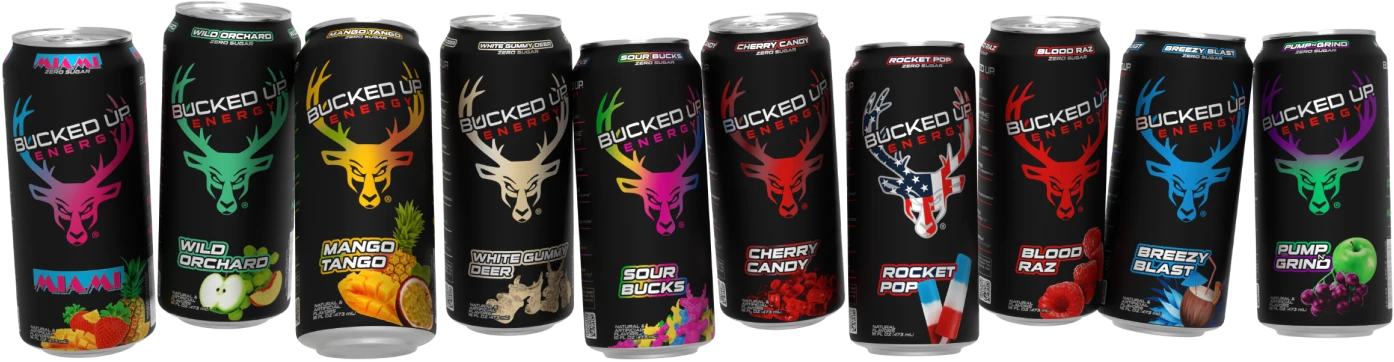
Experience science-backed focus support with transparent nootropic formulations.
How to Evaluate Any Energy Drink Before You Buy
Start by reading the ingredient panel for complete transparency. Avoid products that use proprietary blends without listing individual ingredient amounts. Look for clear dosages of key ingredients like caffeine, L-theanine, and any nootropic compounds.
Next, check caffeine content per serving and compare it to your tolerance level and daily intake goals. According to the NCCIH, caffeine content varies widely in energy drinks, ranging from 70 to 240 mg in a 16-oz drink and 113 to 200 mg in energy shots. Factor in additional caffeine sources like guarana, which contains caffeine and therefore increases the drink’s total caffeine content.
Then assess sugar content and sweetener types. Zero-sugar options help reduce crash risk, while natural sweeteners may fit better with clean eating preferences than some artificial alternatives.
Finally, consider taste preferences and availability. Approximately 73% of consumers are willing to pay more for beverages made with ingredients they recognize and trust. You can use store locators to find local options and maintain consistent access.
Conclusion: Build Your Personal Focus Checklist
Selecting the right energy drink for focus means balancing caffeine tolerance, ingredient transparency, sugar content, and personal health considerations. Many people start with moderate-caffeine, nootropic-enhanced formulations and then adjust based on how they feel and perform.
Your personal focus checklist can include several steps. Verify that caffeine content fits your tolerance and daily limits. Confirm ingredient transparency with exact dosages. Check for nootropic ingredients that support sustained cognitive function. Ensure low or zero sugar content to help prevent crashes. Talk with healthcare providers about possible medication interactions, especially if you take ADHD medication.
Find transparent, science-backed energy drinks that meet your personal focus checklist.
*This statement has not been evaluated by the Food and Drug Administration. This product is not intended to diagnose, treat, cure, or prevent any disease.
Frequently Asked Questions
What’s the ideal caffeine amount for studying without jitters?
Most individuals find that moderate caffeine supports focus without excessive jitters, especially when combined with L-theanine. This range often provides alertness and concentration benefits while reducing anxiety for many people. Start with lower amounts if you are caffeine-sensitive and increase slowly based on your response. The goal is to find a personal sweet spot that delivers steady mental energy without feeling overstimulated.
Can I drink energy drinks if I take ADHD medication?
This depends on your specific medication and should always be discussed with your prescribing physician. Some ADHD medications can interact with caffeine and may increase side effects like anxiety, elevated heart rate, or sleep problems. Certain medications such as Qelbree specifically advise against caffeine use. Never combine energy drinks with ADHD medications without clear medical approval and guidance on safe intake.
How do nootropic ingredients like L-theanine improve focus compared to caffeine alone?
L-theanine works with caffeine to promote calm alertness by influencing brain chemistry. Caffeine provides stimulation, while L-theanine increases GABA activity for clearer signaling and reduces excess neural noise without removing alertness. This combination typically results in smoother, more sustained focus with less jitteriness and mental fatigue compared to caffeine-only formulations. As mentioned earlier, many formulations use a 2:1 ratio to balance these effects.
Why do some energy drinks cause crashes while others do not?
Energy crashes usually come from high sugar content and rapid caffeine metabolism. High-sugar drinks cause blood glucose spikes followed by sharp drops, which lead to fatigue and mental fog. Drinks that rely only on immediate-release caffeine can also create quick peaks and valleys in energy. Crash-conscious formulations use low or zero sugar, moderate caffeine doses, and sometimes add ingredients like L-theanine to smooth the energy curve.
What should I look for on energy drink labels to ensure quality and safety?
Prioritize complete ingredient transparency with exact dosages instead of proprietary blends. Check total caffeine content from all sources, including guarana or other natural caffeine ingredients. Look for third-party testing information and manufacturing in GMP-certified facilities when available. Avoid products with very high sugar content, vague ingredient descriptions, or long lists of unnecessary additives. Quality brands clearly list active ingredients, their amounts, and provide straightforward usage instructions and warnings.
1 The content provided in this article is for informational purposes only and is not medical advice. Consult with a medical professional before implementing any changes to your diet, health, or exercise routines.
Individual results will vary and are based on a combination of each individual’s diet, exercise, age, and health circumstances.
These statements have not been evaluated by the Food and Drug Administration. This product is not intended to diagnose, treat, cure or prevent any disease.
This article was written by Ryan Gardner, CEO of Bucked Up. As the maker of Bucked Up Energy Drinks, we have a financial interest in this information. The views expressed are our own and should be read with that context in mind.


Leave a Reply