

Written by: Ryan Gardner, Owner, Managing Partner, CEO, Bucked Up
Key Takeaways
- Wired-style energy drinks usually deliver 200-400mg caffeine with nootropics like L-theanine and alpha-GPC to support steady focus and productivity while limiting jitters and crashes.1
- Effective formulas use transparent dosing, crash-prevention features, and targeted nootropic pairings that promote calm, consistent mental performance.
- Key evaluation criteria include caffeine content, ingredient transparency, nootropic ratios, and hydration support for long work blocks.
- Products like Bucked Up Energy can stand out with 300mg caffeine, full ingredient disclosure, and nootropic doses selected to support reliable cognitive performance.1
- Ready to boost your productivity? Browse Bucked Up Energy drinks and see how a science-backed focus formula feels in your routine.
Wired-Style Energy Drinks and Their Role in Daily Productivity
Wired-style energy drinks form a category of high-caffeine beverages built around cognitive performance and sustained alertness. Traditional energy drinks often lean on caffeine and sugar for short bursts of stimulation. Wired-style options add nootropics like L-theanine and alpha-GPC to support what many experts describe as calm productivity.
Caffeine paired with L-theanine forms a classic calm-focus stack in which caffeine increases alertness and reaction time while L-theanine smooths overstimulation and supports steadier attention through increased alpha-band brainwave activity.1 This pairing targets a common issue with traditional high-caffeine products: jittery overstimulation that can make complex work feel harder, not easier.
The science behind these combinations has a solid foundation. A 2008 randomized, placebo-controlled crossover study by Haskell et al. found that 250 mg L-theanine combined with 150 mg caffeine improved simple reaction time, rapid visual information processing, working-memory reaction time, subjective alertness, and reduced tiredness compared with placebo. These results support wired-style formulations as a practical option for sustained cognitive performance.
Modern wired-style energy drinks typically contain 200-400mg of caffeine per serving, which places them in the high-stimulant range. Analysis of 50 popular energy drinks scaled to a standard 16oz serving shows the average contains 210mg of caffeine, so wired-style options often deliver a stronger stimulant effect than many mainstream alternatives.
Energy Drinks That Support Strong Focus
Several factors shape how well an energy drink supports focus: caffeine dosage, nootropic pairings, ingredient transparency, and crash-prevention features. The products below illustrate different approaches to sustained-focus support.
Bucked Up Energy
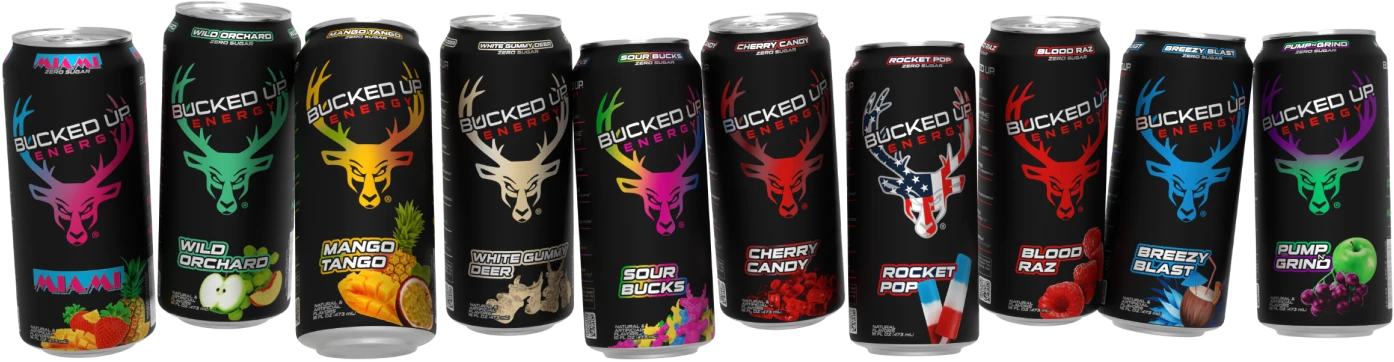
Bucked Up Energy Drink contains 300 mg of caffeine in a 16 fl oz can, which places it in the high-stimulant category for demanding focus sessions. The formula uses transparent dosing and clearly listed nootropic pairings. It includes alpha-GPC for cognitive support and avoids proprietary blends, so every active ingredient appears with its exact amount. This clarity helps you build a stack you understand and can adjust over time. Check out Bucked Up Energy’s formula if you want reliable, sustained focus support with full label visibility.
C4 Smart Energy
This drink combines 200mg caffeine with citicoline for both energy and cognitive support. The moderate caffeine level works well for people still building tolerance or anyone who prefers less intense stimulation while maintaining mental clarity during work blocks.
F3 Energy
F3 Energy is positioned as a nootropic drink containing additional ingredients beyond caffeine to support mental focus and clarity, with 120mg caffeine in a 12oz can. The lower caffeine content paired with focus-supporting compounds can suit caffeine-sensitive users or afternoon use when you want focus without disrupting sleep.
Gorgie Energy
Gorgie energy drink includes L-theanine and biotin alongside 150mg caffeine in a 12oz can for added functional benefits. The L-theanine component specifically helps reduce jitters while keeping alertness elevated.
Drinks That Help With Brain Fog and Long Work Blocks
Brain fog and long-lasting mental fatigue respond better to targeted formulas than to caffeine alone. The most effective drinks for these situations combine moderate-to-high caffeine with compounds that support neurotransmitters and sustained attention.
Dialing In Caffeine and Nootropic Ratios
A commonly studied and evidence-based ratio for achieving relaxed wakefulness and reduced jitteriness is 2:1 L-theanine to caffeine. This ratio helps maintain alertness while limiting the overstimulation that can worsen brain fog.
Planning for 4–6 Hour Work Sessions
For work blocks lasting 4-6 hours, sustained-release caffeine or moderate doses around 150-250mg paired with nootropics often feel smoother than very high caffeine alone. A practical dosing strategy for sustained focus is 1 cup of coffee (~80–120 mg caffeine) paired with 100–200 mg L-theanine to minimize jitteriness. This approach supports steady attention instead of sharp peaks and crashes.
Hydration and Electrolytes for Clearer Thinking
Brain fog often tracks with dehydration and electrolyte imbalance. Energy drinks that include sodium, potassium, or other electrolytes alongside caffeine and nootropics provide more complete support for long sessions, especially when you work, train, or study for several hours without a break.
Study-Focused Energy Drinks That Work in 2026
Study-focused energy drinks in 2026 increasingly use nootropic hybrid formulas instead of simple caffeine-only blends. Energy drinks are shifting from party fuel to day fuel, with more people using them for work productivity, fitness, and daily wellness.
Modern study formulas often support cognition through several mechanisms. Alpha-GPC at 300-600mg can cross the blood-brain barrier and support acetylcholine production, which may benefit attention and working memory. A February 2026 expert guide by AJ Keller, CEO at Neurosity, states that caffeine plus L-theanine has the strongest data among common nootropic stacks for sustained knowledge-work focus.
Tolerance Cycling Strategies for 2026
Many regular users now cycle their intake to keep caffeine effective. A 2013 comprehensive review by Meredith et al. found that tolerance develops to caffeine’s subjective effects on alertness and well-being as well as to physiological effects. A practical cycling pattern uses 5-7 days of normal intake followed by 2-3 days of reduced dosing or complete breaks.
The most effective study drinks in 2026 provide full dosing transparency so you can fine-tune your personal stack. Bucked Up Energy follows this model with clear ingredient disclosure and doses selected to support sustained focus without proprietary blend confusion. Pick up Bucked Up Energy for your next study block if you want a clearly labeled, study-ready option.
ADHD-Adjacent Support for Focus and Alertness
Some energy drink formulas may support mental focus and alertness through caffeine-nootropic pairings, although these products do not diagnose, treat, cure, or prevent any medical condition. The combination of caffeine with L-theanine or alpha-GPC supports normal neurotransmitter activity and can help maintain attention during demanding tasks.
L-theanine promotes alpha-wave activity associated with relaxed wakefulness and supports inhibitory neurotransmitters including GABA and serotonin, helping stabilize attention while caffeine increases arousal. This dual action may support sustained focus without the overstimulation that sometimes worsens attention difficulties.
Alpha-GPC acts as a choline source that supports acetylcholine synthesis, a neurotransmitter involved in attention and learning. When paired with caffeine, this combination may support both mind-muscle connection and extended cognitive performance during long focus periods.
These structure-function benefits depend on proper dosing and ingredient quality. Products with transparent labels let you see exactly what you are consuming and adjust intake based on your own response and tolerance.
How to Judge Wired-Style Energy Drinks on Your Own
Careful label reading helps you evaluate wired-style energy drinks for both effectiveness and safety. Start with ingredient transparency and work through a few simple checks. A 2025 NSF survey found that 83% of U.S. consumers read food labels before purchase and 79% check ingredients first, which shows how many people now expect clear dosing information.
Dosing Transparency Checklist
Look for products that list exact milligram amounts for all active ingredients, because that detail lets you confirm whether the formula uses effective doses. Avoid proprietary blends that hide individual ingredient amounts behind a single blend total, since you cannot tell if each compound reaches a meaningful level. As a reference point, effective L-theanine doses often range from 100-400mg, while alpha-GPC typically requires 300-600mg for cognitive benefits, so clear labeling helps you see if a drink falls in these ranges.
Caffeine Content Evaluation
The FDA states that up to 400 milligrams of caffeine per day is generally not associated with negative effects for most healthy adults.1 Choose products that fit within your total daily caffeine budget while still providing enough stimulation for your focus needs.
Crash-Prevention Features
Effective wired-style energy drinks often include sustained-release caffeine, electrolytes for hydration, and nootropics that smooth caffeine’s stimulant effects. Human studies show that caffeine combined with L-theanine improves reaction time, attention accuracy, subjective alertness, and reduces mental fatigue during demanding cognitive tasks compared with caffeine alone. These features work together to reduce sharp crashes later in the day.
Bucked Up Energy aligns with these evaluation points by using 300mg transparent caffeine dosing, clearly listed nootropic pairings, and full ingredient disclosure. This structure supports reliable focus while removing the guesswork that often comes with proprietary blends.
Putting It All Together: Choosing Your Wired-Style Drink
Wired-style energy drinks that support focus and productivity typically combine higher caffeine levels with targeted nootropics, transparent dosing, and crash-prevention features. Helpful evaluation criteria include ingredient transparency, effective nootropic pairings such as L-theanine or alpha-GPC, caffeine levels that match your tolerance, and hydration support for long work sessions.
Bucked Up Energy can stand out in this category through its 300mg caffeine content, full ingredient disclosure, and nootropic doses selected to support sustained focus without proprietary blend confusion. The transparent formulation helps you build a personal stack and understand exactly what you are drinking when you want consistent productivity support.
Ready to test wired-style focus support in your own routine? Find Bucked Up Energy near you and see how a clearly labeled, science-informed formula fits into your work, training, or study days.
FAQ
What makes wired-style energy drinks different from regular energy drinks?
Wired-style energy drinks combine higher caffeine levels, usually 200-400mg, with nootropics like L-theanine or alpha-GPC to support sustained focus and productivity. Regular energy drinks often rely mainly on caffeine and sugar for short-term energy. Wired-style formulas aim to support cognition with fewer jitters and less crashing by using transparent dosing and crash-prevention features tailored to long work blocks.
How much caffeine is safe in a wired-style energy drink?
The FDA notes that up to 400 milligrams of caffeine per day is generally safe for most healthy adults.1 Wired-style energy drinks usually contain 200-400mg per serving, so a single can often fits within that daily limit. Always factor in caffeine from coffee, tea, pre-workouts, and other sources. Start with lower doses if you are caffeine-sensitive and increase slowly as you learn your tolerance.
What’s the best ratio of L-theanine to caffeine for focus?
Research supports a 2:1 ratio of L-theanine to caffeine for focus benefits, as described earlier in this guide. In practice, that means 200mg L-theanine with 100mg caffeine, or 400mg L-theanine with 200mg caffeine. This ratio helps maintain alertness while reducing jitters and supporting steadier attention by pairing caffeine’s arousal effects with L-theanine’s calming influence on brain activity.
How can I prevent tolerance to high-caffeine energy drinks?
Cycling your intake helps maintain long-term effectiveness. A simple approach uses 5-7 days of normal intake followed by 2-3 days of reduced dosing or complete breaks. Avoid steadily increasing your dose over time, since that pattern can raise dependence risk and blunt the effects. You can also alternate between different caffeine levels or use caffeine-free options on some days to help reset tolerance.
Are wired-style energy drinks safe for daily use?
Many healthy adults can use wired-style energy drinks daily when they stay within FDA caffeine guidelines of under 400mg per day and apply basic cycling strategies. Monitor your own response for signs of overstimulation, poor sleep, or dependence. Choose products with transparent labels so you can track your intake accurately. Talk with a healthcare provider if you have cardiovascular issues, anxiety disorders, or take medications that may interact with caffeine.
1 The content provided in this article is for informational purposes only and is not medical advice. Consult with a medical professional before implementing any changes to your diet, health, or exercise routines.
Individual results will vary and are based on a combination of each individual’s diet, exercise, age, and health circumstances.
These statements have not been evaluated by the Food and Drug Administration. This product is not intended to diagnose, treat, cure or prevent any disease.
This article was written by Ryan Gardner, CEO of Bucked Up. As the maker of Bucked Up Energy Drinks, we have a financial interest in this information. The views expressed are our own and should be read with that context in mind.


Leave a Reply