

Written by: Ryan Gardner, Owner, Managing Partner, CEO, Bucked Up
Key Takeaways
-
Regular energy drink use is linked in 2024–2026 research to higher blood pressure, faster heart rate, and QTc interval changes.
-
Cardiovascular concerns center on high or unlabeled caffeine, hidden stimulant blends such as guarana, and large added-sugar servings.
-
Clear labeling of total caffeine from all sources and full ingredient disclosure offers a practical way to gauge cardiovascular safety.
-
Bucked Up pre-workouts list every dose, use 200–400 mg of quantified caffeine, and avoid proprietary blends or undisclosed stimulants.
-
Ready to upgrade your training fuel? Browse our transparent-label energy drinks and choose the formula that fits your goals.
The Problem: How Daily Energy Drinks Stress Your Heart
Most energy drinks contain around 80–160 mg of caffeine per serving, with extra-strong cans reaching 200–300 mg. Some cans contain multiple servings, so total intake can climb fast. It becomes easy to exceed the FDA’s generally recognized safe upper limit of 400 mg per day for healthy adults before noon. That ceiling includes all caffeine sources combined, not just the can in your hand.
Total dose is only part of the picture. Speed of intake, ingredient combinations, and daily frequency also matter. Houston Methodist preventive cardiologist Dr. Sadeer Al-Kindi advises staying under 200 mg of caffeine at one time, because rapid intake can spike heart rate and blood pressure, especially in people with undiagnosed arrhythmias. Repeating that spike day after day is where long-term cardiovascular risk from regular energy drink use starts to build.
Why It Happens: Caffeine, Taurine, Sugar, and 2024–2026 Evidence
Caffeine alone does not fully explain the cardiovascular effects. Dr. Al-Kindi notes that guarana adds to total caffeine intake but may not always be clearly quantified on labels, taurine may intensify caffeine’s effects on muscle contractions, and large added-sugar loads can cause blood-sugar spikes that contribute to longer-term metabolic and heart-health issues. Guarana contains roughly twice the caffeine concentration of coffee beans. A label that lists guarana without quantifying its caffeine contribution hides part of the stimulant load.
The electrical effects on the heart are well documented. Healthy adults who consumed 32 ounces of a commercial energy drink showed significantly prolonged QTc intervals four hours later, a marker of abnormal cardiac repolarization that can predispose individuals to arrhythmias. That same 32-ounce dose produced blood pressure increases larger than caffeine alone could explain, which points to the ingredient blend as the driver. Across a comprehensive analysis of published studies, more than 60% reported increased heart rate, more than 53% reported rises in systolic blood pressure, and almost 63% reported changes in the QTc interval after energy drink consumption.
These acute effects raise the question of what happens with sustained high-dose intake. A 2026 randomized crossover study on PubMed found that chronic high caffeine consumption above 300 mg per day was associated with higher systolic arterial pressure, higher heart rate, elevated inflammatory markers, and reduced vascular conductance compared with low consumers taking in under 50 mg per day. The authors recommended limiting caffeine to the lowest dose that still delivers the desired effect.
Long-term effects can extend beyond monitor readings. A 2025 BMJ Case Reports paper described a fit man in his 50s whose daily habit of eight energy drinks produced blood pressure of 254/150 mm Hg and a thalamic stroke. His blood pressure normalized after he stopped, but numbness persisted eight years later. One case does not prove population-wide causation. It does show what the extreme end of the dose-response curve can look like.
Transparent Performance Drinks That Address These Risks
The cardiovascular concerns above track back to specific patterns: very high and often unlabeled caffeine loads, added stimulants hidden in proprietary blends, and large sugar servings. A different style of performance beverage tackles those patterns with full ingredient disclosure, quantified caffeine from all sources, and ingredients chosen for documented performance applications.
Bucked Up pre-workouts follow that approach. Every ingredient and every dose appears on the label. No proprietary blends. No hidden guarana math. The standard Bucked Up pre-workout delivers 200 mg of caffeine anhydrous per serving. That dose sits within the range Dr. Al-Kindi describes as more manageable when you sip it deliberately instead of chugging a large-format can. This level of transparency gives you a clearer starting point for informed decisions.
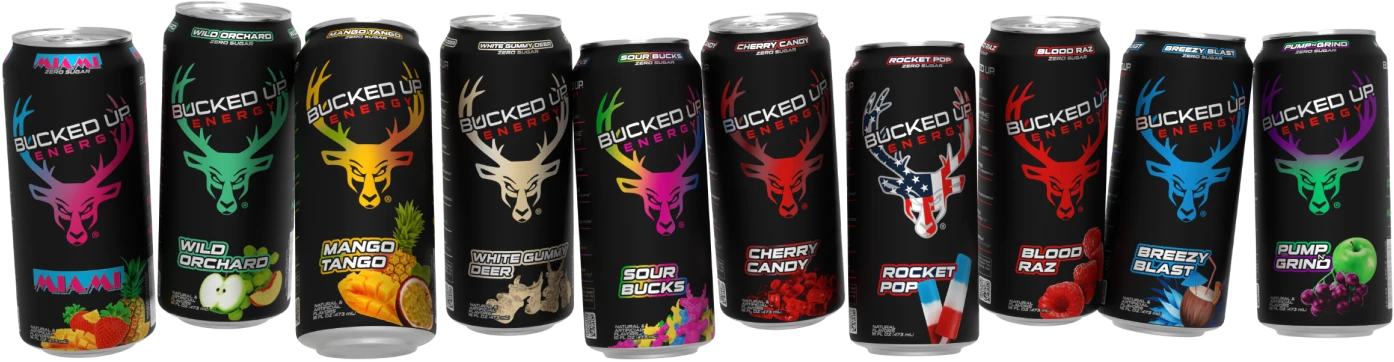
Ready to dial in your pre-workout stack with full label transparency? Compare our fully disclosed formulas and find the one that fits your training profile.
How to Read the Label for Heart-Conscious Choices
Use these checkpoints when you evaluate any performance beverage for cardiovascular safety and effectiveness:
Total caffeine from all sources. Labels that list guarana, yerba mate, or green tea extract without quantifying their caffeine contribution make your true intake impossible to calculate. This reflects the red flag Dr. Al-Kindi highlighted earlier.
Proprietary blend disclosure. A blend that lists several ingredients under one combined weight hides individual doses. You cannot tell whether each ingredient appears at an effective level or a trace amount.
Sugar load. High glucose-based sugar content drives blood-sugar spikes and longer-term metabolic concerns that sit on top of caffeine’s effects.
Serving size versus container size. A can labeled as two servings doubles every number on the panel. Read the serving size first, then multiply by how much you actually drink.
Caffeine per lb of body weight. The FDA sets 100 mg per day as the safe upper limit for teens, partly because lower body weight means a higher effective dose per lb. Adults can apply the same proportional thinking to their own intake.
Matching Bucked Up Formulas to Your Training Level
Caffeine needs and ingredient stacks vary by person. Bucked Up offers a tiered range so the formula aligns with your current training level instead of forcing a one-size-fits-all approach.
Beginners and caffeine-sensitive individuals. The standard Bucked Up pre-workout delivers 200 mg of caffeine with Citrulline Malate, Beta-Alanine, AlphaSize® Alpha GPC, and Taurine to support energy levels*, mental focus*, pump*, and endurance*.1 For those who want to avoid stimulants, the Non-Stimulant Pre-Workout uses a similar performance ingredient framework with zero caffeine.
Dedicated gym-goers. Woke AF increases caffeine to 333 mg and adds Synephrine HCI for individuals who already have higher stimulant tolerance.1 The same transparent labeling applies here, with no proprietary blends and no hidden stimulants.
Performance athletes. Mother Bucker delivers 400 mg of total caffeine split between fast-acting Caffeine Anhydrous (300 mg) and Microencapsulated Delay Release Caffeine (100 mg) to support sustained energy levels* during longer sessions. Nitrosigine® and L-Citrulline support healthy nitric oxide production*, and Huperzine A supports the mind-to-muscle connection*.1
Find your tier and get to work. Explore formulas by training level and start with the one that matches where you are.
Evidence-Backed Ingredients for Energy*, Focus*, Pump*, and Endurance*
Bucked Up pre-workout ingredients are chosen for documented performance applications, not label decoration. Beta-Alanine supports muscle endurance* by helping buffer lactic acid during high-intensity efforts. Citrulline Malate supports healthy nitric oxide production* and muscle pump*. AlphaSize® Alpha GPC supports mental focus* and the mind-to-muscle connection*. Astragin® supports citrulline absorption*. Senactiv® supports VO2 max and athletic performance*.1 Labels list actual doses so you can compare them with published research.
This creates a structural contrast with many energy drinks. Bucked Up pre-workouts do not pair high caffeine with unlabeled guarana, heavy sugar loads, or undisclosed stimulant blends. The caffeine source is identified, the dose is stated, and supporting ingredients are selected to aid performance rather than intensify stimulants through unclear mechanisms.
Limits, Health Conditions, and GMP Manufacturing
No supplement removes cardiovascular risk for everyone. People with pre-existing heart conditions, a history of arrhythmias, or those taking stimulant medications should talk with a physician before using any caffeinated product, including Bucked Up pre-workouts. Dr. Al-Kindi identifies higher-risk groups as people with heart disease, high blood pressure, a history of arrhythmias, those taking stimulant medications, pregnant or lactating women, and individuals combining stimulants with intense exercise or alcohol.
Bucked Up products are manufactured in the United States in GMP-certified facilities. GMP certification confirms that the manufacturing process follows federal standards for consistency, quality control, and documentation. It describes how the product is made, not what results any individual user will experience.
Best Practices for Safer Caffeine Use
A few habits can lower cardiovascular risk regardless of which performance beverage you choose. Keep total daily caffeine from all sources below 400 mg. Space out your caffeine intake rather than consuming large doses rapidly, as discussed in the mechanism section. Avoid stacking multiple caffeinated products in the same time window. If you are new to stimulants or returning after a break, start at the lower end of the dose range and watch how you respond.
Avoid caffeinated pre-workouts within four to six hours of sleep, because disrupted sleep adds to cardiovascular stress over time. If you notice palpitations, chest discomfort, or unusual heart rate changes, stop use and consult a physician. Aim for sustainable performance instead of a single all-out session followed by a week of feeling overstimulated.
Frequently Asked Questions
Do energy drinks raise blood pressure long-term?
Available evidence links regular, high-volume energy drink consumption with elevated blood pressure. Multiple randomized controlled trials show systolic pressure rising significantly within 60 to 80 minutes of intake. A 2026 study found that chronic high caffeine intake above 300 mg per day was associated with persistently higher systolic arterial pressure compared with low consumers. Whether that elevation becomes permanent depends on dose, frequency, genetics, and lifestyle. Research does not yet define a single threshold, but the trend across studies points in the same direction.
What makes energy drinks more concerning for heart health than coffee?
Coffee delivers caffeine with antioxidants and polyphenols and is usually sipped more slowly than a large energy drink. Many energy drinks combine high caffeine with extra stimulants such as guarana and taurine, large sugar loads, and other compounds whose cardiovascular interactions remain less clear. This combination appears to produce effects on blood pressure and cardiac electrical activity that exceed what caffeine alone would predict. Moderate habitual coffee intake has even been linked with neutral or favorable cardiovascular outcomes in some research, which highlights ingredient combinations and delivery speed in energy drinks as key variables.
Are pre-workout supplements safer than energy drinks for cardiovascular health?
Safety depends on the specific product and how you use it. A pre-workout with a clearly labeled caffeine dose, no hidden stimulant sources, and no large sugar load, used once per day within guidelines, presents a different risk profile than a large energy drink consumed several times daily. Focus on total caffeine from all sources, full ingredient disclosure, serving size clarity, and your own health status. Anyone with a cardiovascular condition should consult a physician before using any caffeinated supplement.
What caffeine dose is considered safe for most healthy adults?
The FDA’s 400 mg daily limit mentioned earlier, roughly three to four cups of brewed coffee, covers all sources combined. For teens, the recommended ceiling is 100 mg per day or 2.5 mg per lb of body weight. Large single doses, instead of spread-out intake, are linked with stronger short-term effects on heart rate and blood pressure.
Who should avoid caffeinated pre-workouts entirely?
Individuals with diagnosed heart disease, high blood pressure, a history of arrhythmias, or those taking stimulant medications should consult a physician before using any caffeinated product. Pregnant and lactating women are advised to limit caffeine significantly. Adolescents, whose hearts and nervous systems are still developing, experience a higher effective stimulant dose per lb of body weight and are generally advised to avoid high-caffeine products. For caffeine-sensitive people in any of these groups, a stimulant-free pre-workout that still supports pump*, endurance*, and focus* through non-stimulant ingredients offers a practical alternative.
Summary: Using Caffeine While Protecting Your Heart
Cardiovascular risks from regular energy drink use are documented, mechanistically plausible, and consistent across a growing body of 2024–2026 research. High and often unlabeled caffeine loads, stimulant combinations that amplify cardiovascular effects, and rapid, frequent consumption drive most concerns. These factors reflect formulation and usage choices, not caffeine itself in every context.
Choosing a pre-workout with a fully disclosed label, a quantified caffeine dose from all sources, and performance ingredients selected for documented applications can support training with a different risk profile than many energy drinks. That framework underpins Bucked Up, which offers formulas from 0 mg to 400 mg of caffeine so you can match intake to your current training level.
Make the informed call. Review our complete ingredient disclosures and choose the formula built for your level.
*These statements have not been evaluated by the Food and Drug Administration. This product is not intended to diagnose, treat, cure, or prevent any disease.
1 The content provided in this article is for informational purposes only and is not medical advice. Consult with a medical professional before implementing any changes to your diet, health, or exercise routines. Individual results will vary and are based on a combination of each individual’s diet, exercise, age, and health circumstances. These statements have not been evaluated by the Food and Drug Administration. This product is not intended to diagnose, treat, cure, or prevent any disease.
This article was written by Ryan Gardner, CEO of Bucked Up. As the maker of Bucked Up Energy Drinks, we have a financial interest in this information. The views expressed are our own and should be read with that context in mind.


Leave a Reply