

Written by: Ryan Gardner, Owner, Managing Partner, CEO, Bucked Up
Key Takeaways
- Energy drinks that support focus without jitters often contain 80–200 mg caffeine paired with L-theanine or similar calming compounds for relaxed alertness.1
- High-stimulant energy drinks can create crashes that leave you more scattered and tired than when you started.
- Moderate caffeine combined with complementary ingredients like L-theanine supports steady mental performance and more reliable daily focus.1
- Look for clear labels, moderate dosing, and added B vitamins or electrolytes to support performance without the jitters or crashes linked to high-stimulant formulas.
- This guide covers both moderate options in the 80–200 mg range and higher-dose choices like Bucked Up Energy Drinks at 300 mg caffeine, so you can match your drink to your personal tolerance and focus needs. Explore Bucked Up Energy Drinks with focus-supporting ingredients to support your daily performance goals, and browse Bucked Up Energy flavors.
How Moderate Caffeine and L-Theanine Work Together
The sweet spot for focus-supporting caffeine often sits between 75-200 mg per serving, according to research reviewed by the European Food Safety Authority. This range supports alertness without the sympathetic nervous system overactivation that tends to cause jitters.
L-theanine can change how caffeine feels in your brain. A 2025 controlled study in the British Journal of Nutrition found that 200 mg L-theanine combined with 160 mg caffeine improved reaction time by 38 milliseconds versus placebo, outperforming either ingredient alone. The combination also increased P3b EEG amplitude by 1.5–2.0 microvolts while advancing P3b peak latency by 30–35 ms, which points to earlier and deeper attentional processing.
Timing plays a major role in this synergy. Both compounds reach peak plasma levels between 45-60 minutes, so they create a synchronized onset of alert attention instead of an early caffeine spike that can trigger anxiety responses. Understanding this interaction helps you decide which products are more likely to deliver calm, steady focus.
How to Evaluate Energy Drinks for Jitter-Free Performance
Start with the caffeine content, because this determines whether a drink supports focus or risks overstimulation. Up to 400 mg of caffeine per day is generally considered safe for most healthy adults. For steady focus without jitters, many people do better with products that provide 80-200 mg per serving, then adjust based on total daily intake.
Check for L-theanine or similar calming compounds next. Research consistently supports approximately 200 mg L-theanine with moderate caffeine doses of 80–120 mg for selective attention and alertness without increasing distraction or errors, following a roughly 2:1 L-theanine-to-caffeine ratio. This pattern gives you a simple benchmark when you compare labels.
Review ingredient transparency on every product. Proprietary blends hide dosing information, which makes it difficult to know whether you are getting effective amounts of key compounds. Products that disclose exact ingredient quantities let you match what you drink to the ranges supported by research.
Consider additional performance-supporting ingredients one at a time. B vitamins can support energy metabolism*, electrolytes support hydration, and natural caffeine sources may provide smoother energy curves than some synthetic alternatives. Together, these details help you narrow down drinks that fit your focus goals.
After you identify your preferred caffeine range and ingredient profile, you can compare specific products that meet those criteria, including Bucked Up Energy Drinks for higher-tolerance users and lower-dose botanical options for more sensitive individuals.
Bucked Up Energy Drinks: High-Tolerance Option for Long Days
Bucked Up Energy Drinks provide 300 mg of caffeine per can with a blend of focus-supporting ingredients*.1 This higher dose can suit people with developed caffeine tolerance who need strong, sustained energy for long workdays or intense training. The formula also includes B vitamins for energy metabolism support*, electrolytes for hydration, and clear labeling that shows exactly what you are consuming.1
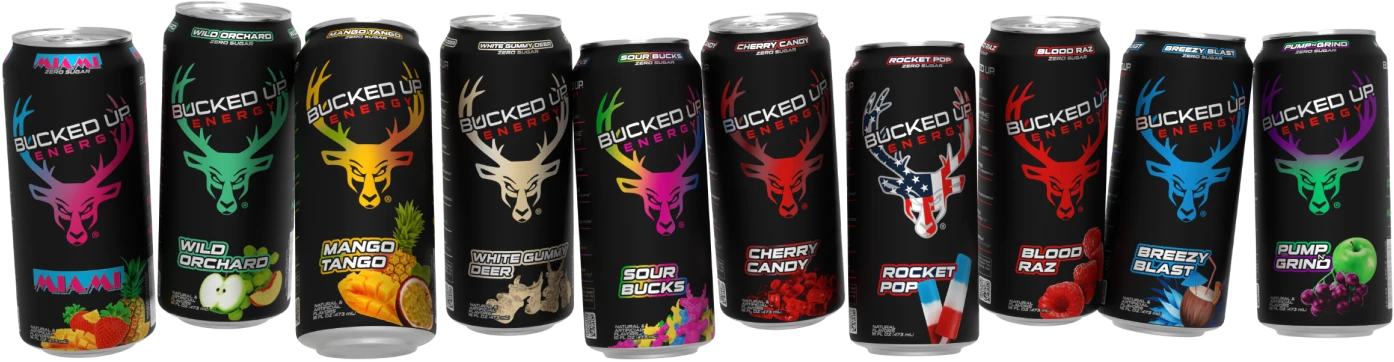
The natural caffeine source supports a smoother energy curve compared to some synthetic alternatives, which can help reduce sharp spikes and crashes. B-complex vitamins add another layer of support for cellular energy production*. Each can lists precise dosing information, so you avoid the guesswork that often comes with proprietary blends.
For users who tolerate higher caffeine well, the combination of 300 mg caffeine with supporting nutrients can provide steady performance during extended focus sessions*.1 Explore Bucked Up Energy cases if you want a clearly labeled, higher-caffeine option that aligns with the evaluation criteria discussed earlier.
You can also locate Bucked Up Energy Drinks at retailers nationwide through the store locator.
Lower-Caffeine Contenders: Yerba Mate and Matcha Drinks
Yerba mate typically delivers about 40 mg of caffeine per 8 oz serving, along with compounds like theobromine. This mix often produces smooth and sustained energy with fewer jitters or crashes for people who prefer lighter stimulation. The combination of caffeine and theobromine creates a different stimulant profile than coffee-based products.
Matcha and green tea-based energy drinks usually provide 30-50 mg of caffeine per 8 oz serving plus naturally occurring L-theanine, which supports calmer sustained energy and focused mental clarity. This built-in synergy makes green tea extracts appealing for jitter-sensitive individuals.
Botanical and adaptogen-based products often use Amazonian botanicals and plant-based stimulants like green tea extract, guarana, and yerba mate instead of relying solely on synthetic caffeine. These options can work well for people who want more natural-feeling formulations with lower stimulant loads.
Non-Stimulant Options for Caffeine-Sensitive Users
Some people feel jittery even with moderate caffeine doses, yet still want support for energy and focus. Non-stimulant strategies can help by working through different pathways*. A 2025 review explains that stable light-dark schedules, consolidated sleep, exercise, and nutritional strategies can enhance orexinergic signaling endogenously, which supports wakefulness without stimulants.
B-complex vitamins, especially B12, support cellular energy production and neurological function*. Electrolyte blends help maintain proper hydration, which directly influences cognitive performance and alertness.
Branched-chain amino acid supplementation increased orexin neuron activation and restored sustained wakefulness in selected traumatic brain injury models. This suggests that certain nutrient combinations may support wakefulness through synergy rather than stimulation alone.
Bucked Up offers stimulant-free pre-workout options that support training performance with pump, endurance, and focus ingredients* without any caffeine content.1 Review Bucked Up stimulant-free formulas if you want performance support without added stimulants.
Simple Habits to Reduce Afternoon Crashes
Timing often matters more than total caffeine content when you want steady energy. Caffeine has a half-life of 3–7 hours, and consumption should be avoided within 6 hours of bedtime to prevent sleep disruption, which can hurt next-day cognitive performance.
Spread your caffeine intake across the day instead of taking large amounts at once. If caffeine triggers heart racing or jitters, individuals can reduce intake gradually, space out consumption, stay hydrated, and avoid combining it with other stimulants.
Pair caffeine with food to slow absorption and reduce sharp energy spikes followed by crashes. Glucose and leptin inhibit orexin neurons, while fasting, ghrelin, and cold exposure activate them, which shows how metabolic context shapes alertness regulation.
Stay hydrated throughout the day, because dehydration compounds fatigue and can make caffeine crashes feel more intense. Electrolyte-enhanced beverages may support sustained hydration better than plain water during long focus sessions.
Best Energy Drinks for ADHD Focus Without Jitters: Final Recommendations
An effective approach for many adults combines moderate caffeine doses in the 80-200 mg range with complementary ingredients that support sustained attention*.1 The combination of L-theanine and caffeine produces a state of relaxed wakefulness characterized by increased alpha-wave activity on EEG, supporting steady focus without sedation or overstimulation.
Bucked Up Energy Drinks can stand out for their clear labeling, caffeine source, and nutrient profile that supports performance*.1 The 300 mg caffeine content suits users with higher tolerance who want strong, reliable energy, while the added B vitamins and electrolytes support overall energy metabolism*.
For more sensitive users, yerba mate and matcha-based options provide lower caffeine content with built-in L-theanine for natural synergy. Non-stimulant alternatives can support energy through B vitamins, electrolytes, and amino acids for people who prefer to avoid caffeine entirely.
Your goal is to find your personal tolerance sweet spot and choose products that disclose ingredients clearly. Compare Bucked Up Energy and stimulant-free options to see which formulas align with your focus goals and caffeine comfort level.
Frequently Asked Questions
How much caffeine is safe for daily focus support without causing jitters?
Most adults can safely consume up to 400 mg of caffeine per day, according to common guidelines. For steady focus without jitters, many people do well with 80-200 mg per serving and a total intake that stays within that daily limit. This range often supports alertness without triggering anxiety or overstimulation. Individual tolerance varies based on body weight in lbs, genetics, sleep quality, and existing anxiety levels, so start lower and adjust based on how you feel.
What is the ideal ratio of L-theanine to caffeine for focus without side effects?
Research consistently supports a 2:1 L-theanine to caffeine ratio for focus benefits. This pattern often looks like 200 mg L-theanine paired with 100 mg caffeine, or 150 mg L-theanine with 75 mg caffeine. This combination promotes relaxed alertness by increasing alpha brain wave activity while preserving the cognitive benefits of caffeine without as many jitters or anxiety symptoms.
Can energy drinks help with ADHD symptoms, and are they safe to use regularly?
Energy drinks cannot treat, cure, or diagnose ADHD. Moderate caffeine intake may support general focus and alertness in healthy adults, but this does not replace medical care. Safer use starts with products that have clear ingredients, moderate caffeine content for your tolerance, and avoidance of very high-stimulant formulas that can worsen anxiety or sleep issues. Always talk with a healthcare provider before using energy drinks as part of any wellness routine, especially if you have health conditions or take medications.
What are the best non-stimulant alternatives for energy and focus support?
Non-stimulant options include B-complex vitamins for energy metabolism support, electrolytes for proper hydration, and amino acids such as those in branched-chain amino acid blends. These ingredients support cellular energy production and cognitive function through different pathways than caffeine. Consistent sleep schedules, regular exercise, and balanced nutrition also support energy levels and focus without stimulants.
How can I avoid energy crashes when using caffeinated beverages?
You can reduce crashes by spacing out caffeine intake across the day instead of consuming large amounts at once. Pair caffeine with food to slow absorption, stay well-hydrated, and avoid caffeine within 6 hours of bedtime to protect sleep quality. Choose products with natural caffeine sources and complementary ingredients like L-theanine that support more gradual energy curves instead of quick spikes followed by crashes.
1 The content provided in this article is for informational purposes only and is not medical advice. Consult with a medical professional before implementing any changes to your diet, health, or exercise routines.
Individual results will vary and are based on a combination of each individual’s diet, exercise, age, and health circumstances.
These statements have not been evaluated by the Food and Drug Administration. This product is not intended to diagnose, treat, cure or prevent any disease.
This article was written by Ryan Gardner, CEO of Bucked Up. As the maker of Bucked Up Energy Drinks, we have a financial interest in this information. The views expressed are our own and should be read with that context in mind.


Leave a Reply