

Written by: Ryan Gardner, Owner, Managing Partner, CEO, Bucked Up
Key Takeaways
- Jitters usually come from high caffeine doses and missing calming compounds. Pairing moderate caffeine with L-theanine can support calm alertness without shakes or crashes.1
- Keeping single-serving caffeine under 200 mg and choosing zero-sugar formulas can reduce side effects and blood-sugar crashes.1
- A 1:1 L-theanine-to-caffeine ratio is the most researched pairing for promoting focused, non-anxious energy.1
- Checking labels for explicit L-theanine amounts, total daily caffeine intake, timing, and hydration helps you maintain jitter-free results.
- Ready for more predictable, jitter-free energy? Explore Bucked Up Energy Drinks and see how they fit your routine.
How to Get Energy Without the Jitters
Jitters usually reflect a dose and formulation problem, not a caffeine problem. Energy drinks typically deliver 70–350 mg of caffeine per 12–16 oz serving, and at the higher end of that range, side effects like shakiness, anxiety, and a racing heart become more common. A better approach is pairing a moderate caffeine dose with compounds that support a calmer neurological response.
L-theanine is the most studied of those compounds. It is an amino acid found naturally in green tea, and when combined with caffeine, research suggests it supports alert focus without the edginess that high-dose caffeine alone can produce.1 But formulation goes beyond just the caffeine–L-theanine pairing, and sugar load matters too. A 16 oz energy drink can contain 50–65 grams of added sugar, and large single doses of sugar are associated with energy spikes followed by crashes. Low-sugar or sugar-free formulations remove one major crash variable from the equation.
Energy Drinks That Are Less Likely to Make You Shaky
Drinks that keep caffeine under 200 mg per serving and include a calming compound like L-theanine are less likely to cause jitters for many people. For healthy adults, single doses of caffeine should not exceed 200 mg to avoid acute side effects such as agitation, anxiety, or sleep disturbance. That threshold comes from regulatory and safety reviews. The European Food Safety Authority identifies 200 mg as the safe single-dose level for healthy adults in beverage and supplement contexts, and the UK Food Standards Agency recommends no more than 200 mg of caffeine per serving from supplements.
Shakiness also correlates with individual tolerance. Lower caffeine tolerance, anxiety disorders, and poor sleep increase the likelihood that an energy drink will cause unpleasant effects such as jitters, anxiety, or crashes. Knowing your own baseline is part of the evaluation.
The Science Behind the 1:1 L-Theanine-to-Caffeine Ratio
Knowing your own tolerance sets the stage for understanding why the L-theanine pairing matters. That understanding comes from how these two compounds interact in the brain.
L-theanine and caffeine act on the brain through complementary pathways. Caffeine blocks adenosine receptors, which supports alertness and energy. L-theanine supports alpha brain wave activity, which is associated with a relaxed but wakeful state. Together, the two compounds support what researchers describe as calm alertness, the focused, non-anxious energy that many people want when they reach for an energy drink.1
A 1:1 ratio by milligrams is the most commonly studied pairing. At this ratio, L-theanine appears to moderate some of the excitatory effects of caffeine without blunting the energy or focus support caffeine provides.1 Higher caffeine doses increase the risk of side effects including jitters, anxiety, raised heart rate, nausea, GI distress, headaches, and disrupted sleep. The L-theanine co-formulation aims to address those issues at moderate caffeine levels.
One practical note: doses of caffeine between 200 and 300 mg have been shown to produce significant systolic blood pressure increases of approximately 8 mmHg, along with side effects such as jitters, palpitations, and insomnia. Staying at or under the 200 mg threshold discussed earlier keeps you in the range where L-theanine co-formulation can realistically do its job.
When you start comparing products that follow these principles, check both online retailers and local stores so you can see how different options fit your preferences.
Want to find a Bucked Up energy drink near you? Use the store finder to locate a retailer or order a case directly from the site.
Examples of Energy Drinks That Fit Jitter-Aware Criteria
The following drinks illustrate how the criteria in this guide apply to real products. For each, you will see caffeine per serving, L-theanine or green tea disclosure, and sugar content so you can compare them with the 200 mg guideline and 1:1 pairing discussed earlier.
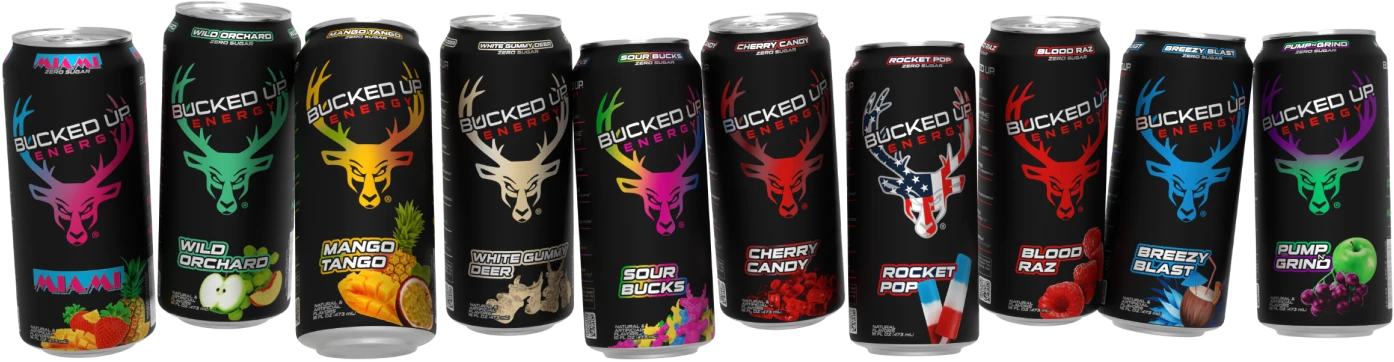
- Bucked Up Energy Drink — Bucked Up Energy Drink contains 300 mg caffeine per 16 oz can, includes L-theanine, zero sugar, and transparently labeled ingredients. This 300 mg dose exceeds the conservative 200 mg single-serving guideline, so evaluate your personal tolerance and total daily caffeine intake before use. *These statements have not been evaluated by the Food and Drug Administration. This product is not intended to diagnose, treat, cure, or prevent any disease.
- Celsius — 200 mg caffeine per 12 oz can, includes green tea extract (a natural source of L-theanine), sugar-free. Sits at the upper boundary of the recommended single-dose threshold.
- Reign Inferno — 300 mg caffeine per can. Exceeds the 200 mg single-dose guideline, so caffeine-sensitive individuals should evaluate carefully before use.
- Monster Ultra — 150 mg caffeine per 16 oz can, sugar-free. Does not prominently disclose L-theanine on the standard label, so check the current label before purchasing.
- Red Bull Sugar Free — 80 mg caffeine per 8.4 oz can. Well under the 200 mg threshold and does not list L-theanine. The lower dose makes it a reasonable starting point for caffeine-sensitive individuals.
- Guru Organic Energy — approximately 100 mg caffeine per 8.4 oz can from organic green tea, which naturally contains L-theanine. This option offers a lower caffeine load with a natural calming compound present.
- Hiball Energy — 160 mg caffeine per 16 oz can from organic caffeine. Sugar-free. Does not prominently list L-theanine, so verify the current label.
- Matcha-based functional drinks (e.g., Aritua Matcha Bliss SuperLatte) — caffeine and L-theanine are naturally present in ceremonial Japanese matcha, which can enable gradual release for steadier energy and calm focus. This is the lowest caffeine category on this list and can suit highly sensitive individuals.
Want to find a Bucked Up energy drink near you? Use the store finder to locate a retailer.
How to Read Energy Drink Labels for Jitter-Free Energy
Reading a label takes about 90 seconds, and that quick check can tell you a lot.
Caffeine dose per serving. Some energy drinks contain 200 to 300 milligrams per can, and stacking with other caffeinated products like coffee or pre-workout supplements can push intake past the FDA’s recommended limit of 400 milligrams per day for healthy adults. Use under 200 mg per serving as a conservative target, especially if you are sensitive. Then count all caffeine sources across the day.
Calming compound pairing. Look for L-theanine listed explicitly on the supplement facts panel. Green tea extract is a secondary indicator, since it naturally contains L-theanine, but the concentration varies. A product that discloses the exact milligram amount of L-theanine gives you more information than one that lists a proprietary blend.
Sugar content. Higher sugar content and larger portion sizes are associated with blood sugar spikes followed by sudden energy crashes and reduced sleep quality. Zero-sugar or low-sugar formulations remove a significant crash variable.
Timing. Even approximately 100–200 mg of caffeine taken near bedtime can disturb sleep, which creates a fatigue cycle that makes jitters worse the next day. Consuming energy drinks at least six hours before sleep supports better rest.
Hydration. Caffeine has mild diuretic properties. Pairing your energy drink with adequate water intake supports overall tolerance and reduces the likelihood of headaches or shakiness from dehydration compounding caffeine’s effects.
Ready to try a transparently formulated option? Order a case of Bucked Up Energy and see how it feels for you.
Recap: A Simple Framework for Choosing Energy Drinks
The framework is straightforward and builds step by step. Keep caffeine under 200 mg per serving if you are caffeine-sensitive or new to energy drinks. For people with higher tolerance who want stronger performance support, doses up to 300 mg may feel appropriate, although that range exceeds conservative single-dose guidelines and calls for careful tracking of total daily intake.
Once you have checked caffeine, prioritize products that disclose L-theanine by milligram on the label. Then choose zero-sugar or low-sugar formulations to remove the blood sugar crash variable. Account for all caffeine sources across the day and stay under 400 mg total. Time consumption at least six hours before bed, and hydrate alongside any caffeinated product.
Bucked Up Energy Drink aligns with this framework in several ways. The 300 mg caffeine dose pairs with L-theanine and zero sugar, and every ingredient appears on the label with its amount listed instead of a proprietary blend. This structure can appeal to everyday achievers who want reliable energy support* and prefer to know exactly what they are drinking.1
*These statements have not been evaluated by the Food and Drug Administration. This product is not intended to diagnose, treat, cure, or prevent any disease.
Want to find a Bucked Up energy drink near you? Use the store finder to locate a retailer or order directly from the Bucked Up site.
Frequently Asked Questions
What is the best caffeine amount in an energy drink to avoid jitters?
Most regulatory bodies and nutrition experts point to 200 mg per serving as the upper boundary for avoiding acute side effects like shakiness, anxiety, and elevated heart rate in healthy adults. Many people who are caffeine-sensitive find that 100 to 150 mg per serving feels more comfortable. The key is knowing your own tolerance, accounting for all caffeine consumed across the day from coffee, tea, and other sources, and not exceeding 400 mg total daily intake. Starting at a lower dose and adjusting based on how you feel offers a practical approach.
Does L-theanine actually reduce jitters from caffeine?
L-theanine is an amino acid found naturally in green tea that supports alpha brain wave activity, associated with a relaxed but alert mental state. When paired with caffeine, it is widely studied for its ability to support calm focus without blunting the energy and alertness that caffeine provides. A 1:1 ratio by milligrams is the most commonly referenced pairing in the research literature. Products that disclose the exact milligram amount of L-theanine on the label give you the clearest picture of whether the ratio is meaningful.
Can sugar in energy drinks cause jitters or crashes?
Yes. High sugar content in energy drinks contributes to rapid blood sugar fluctuations, which can produce feelings of shakiness during the spike and fatigue during the subsequent drop. Some energy drinks contain 50 to 65 grams of added sugar per 16 oz serving. Choosing zero-sugar or low-sugar formulations removes this variable and makes it easier to see whether caffeine dose or formulation is the primary factor in how you feel after drinking one.
How does Bucked Up Energy Drink support jitter-free energy?
Bucked Up’s 300 mg caffeine dose per 16 oz can is paired with L-theanine to support calm alertness. The formula contains zero sugar to avoid blood sugar-related crashes and discloses every ingredient and its amount on the label with no proprietary blends.1 These statements have not been evaluated by the Food and Drug Administration. This product is not intended to diagnose, treat, cure, or prevent any disease.
What should I look for on an energy drink label to avoid jitters?
Four checks matter most. First, caffeine per serving: look for under 200 mg as a conservative benchmark and verify there are no additional hidden caffeine sources in the formula. Second, L-theanine: check that it is listed explicitly with a milligram amount, not buried in a proprietary blend. Third, sugar content: zero-sugar or low-sugar options reduce crash risk. Fourth, serving size: some cans contain two servings, which means the caffeine figure on the label needs to be doubled to reflect what you actually consume if you drink the whole can. Transparent labeling makes all four of these checks easy, while proprietary blends make them difficult.
1 The content provided in this article is for informational purposes only and is not medical advice. Consult with a medical professional before implementing any changes to your diet, health, or exercise routines.
Individual results will vary and are based on a combination of each individual’s diet, exercise, age, and health circumstances.
These statements have not been evaluated by the Food and Drug Administration. This product is not intended to diagnose, treat, cure or prevent any disease.
This article was written by Ryan Gardner, CEO of Bucked Up. As the maker of Bucked Up Energy Drinks, we have a financial interest in this information. The views expressed are our own and should be read with that context in mind.


Leave a Reply