

Written by: Ryan Gardner, Owner, Managing Partner, CEO, Bucked Up
Key Takeaways
-
Many conventional energy drinks cause jitters and crashes because they rely on high caffeine doses without balancing compounds.
-
Natural stimulant energy drinks use moderate plant-based caffeine with L-theanine and adaptogens to support smoother, sustained energy without the typical crash.1*
-
Smart label checks include confirming the caffeine source and dose, L-theanine content, standardized adaptogens, full transparency, and a caffeine level that matches your tolerance.
-
These formulas can support calm alertness and performance across scenarios, from daily training to high-tolerance athletes and non-stimulant options for evening workouts.1*
-
Bucked Up Performance Energy Drinks provide transparent, jitter-conscious formulas at several stimulant levels, so you can browse the full lineup and match your routine.
The Everyday Need for Steady, All-Day Energy
Fitness-focused adults often juggle early training, long workdays, and evening activity. They need energy that tracks with that schedule instead of fighting it. Many conventional energy drinks are built for a single spike, not steady performance across the day. Consumer preference is shifting toward products that provide sustained energy without a crash, and that demand is driving a fast-growing segment of the beverage market.
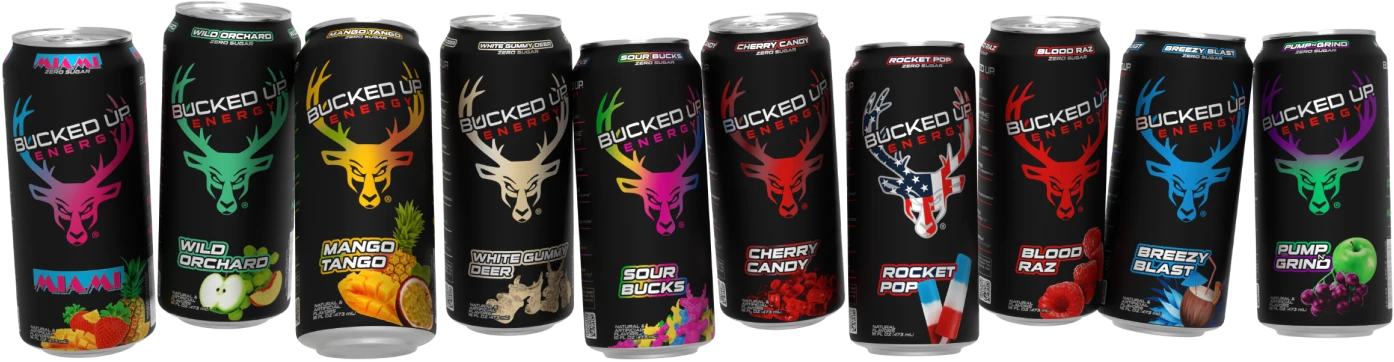
Bucked Up Performance Energy Drinks were created for that shift. The line uses transparent ingredient lists and multiple stimulant levels so you can match each can to your tolerance and training window.
Why Many Energy Drinks Trigger Jitters and Crashes
Most jitters and crashes come from dosing without balance. A typical 16-ounce energy drink contains around 160 mg of caffeine, and some products climb much higher. Many of them do that without pairing ingredients that support a smoother response.
Caffeine has an average half-life of about five hours in healthy adults, with a range of 1.5 to 9 hours depending on genetics, medications, and lifestyle. Variations in the CYP1A2 gene can slow caffeine metabolism for some people, which can make the same dose feel stronger and last longer. High caffeine loads without balancing compounds can turn that extended effect into something uncomfortable instead of productive.
The Natural-Stimulant Approach to Smoother Energy
This is where formulation strategy makes the difference. Natural-stimulant energy drinks pair moderate caffeine from plant sources with compounds like L-theanine and adaptogens that support a calmer, more sustained alertness response.1* Tea generally delivers less caffeine per cup than coffee and includes L-theanine, which is associated with a smoother, gentler lift. Guarana, another common natural caffeine source, contains caffeine along with theobromine and theophylline in a naturally occurring matrix that may extend energy duration compared to isolated caffeine.
Adaptogens add a second layer of support. Adaptogens can be paired with caffeine to offset the stress created by stimulation, which may help users experience smoother energy without a sharp post-stimulant crash. The category relies on thoughtful combinations rather than any single “magic” ingredient.
Five Label Checks for Jitter-Conscious Formulas
Use these five checkpoints before choosing any natural stimulant energy drink.
1. Caffeine source and declared dosage. The label should name the source, such as green tea extract, guayusa, guarana, or green coffee bean. It should also list the exact milligrams of caffeine per serving. A proprietary blend that hides the caffeine total makes informed use difficult.
2. L-theanine presence. Once you know the caffeine dose, look for L-theanine listed as a separate ingredient with its own amount. Its pairing with caffeine is one of the most studied ways to support calm alertness without sedation.1* That is why it serves as a key second checkpoint.
3. Adaptogens with standardized extracts. Analyses of commercial Rhodiola rosea products have shown wide variation in salidroside content, so standardization matters. Look for adaptogens that list an extract ratio or active compound percentage to help support consistency from can to can.
4. Label readability. Every ingredient and its amount should be easy to find. If a label lists an “energy blend” with a single total weight, you cannot see how much of each stimulant you are drinking, which is a sign to keep looking.
5. Tolerance-appropriate caffeine range. A first-time user and a seasoned athlete usually need different stimulant levels. Compare the caffeine amount to your own history with coffee, pre-workouts, and energy drinks, and choose a range that fits your real tolerance.
Moderate-Caffeine Picks for Everyday Training
Most adults who train regularly but do not chase extreme stimulation do well starting with moderate caffeine. A natural stimulant formula in this range can support focus and performance without feeling wired.1 Bucked Up Performance Energy Drinks at this level use fully disclosed ingredient amounts and avoid proprietary blends that hide what you are drinking. Browse the moderate-stimulant options to fit your routine.
When you compare moderate-caffeine drinks, confirm that the caffeine source is named, the dose is clear, and at least one balancing compound appears on the label. That combination sets a practical baseline for a jitter-conscious energy drink.
Higher-Stimulant Choices for Experienced Users
Athletes and experienced gym-goers who have built a real tolerance sometimes look for higher stimulant levels. The same evaluation criteria still apply, but the need for precise label information increases. Caffeine reaches peak plasma concentrations between 15 and 120 minutes after consumption, so knowing the exact dose helps you time your session.
Bucked Up’s higher-stimulant Performance Energy Drink options are designed for users who already understand their tolerance and want a formula that keeps pace. Full ingredient disclosure becomes especially important at this level. Explore the advanced stimulant lineup here.
Non-Stimulant Support for Sensitive or Evening Users
Some people feel caffeine strongly, and many prefer to keep evenings stimulant-free. A non-stimulant energy drink can still support focus and performance without any caffeine in the formula.1* Bucked Up offers stimulant-free options for these situations. You can use the Bucked Up store finder to check local availability.
What the Research Says about L-Theanine and Adaptogens
The case for pairing natural caffeine with L-theanine starts with how each compound works. The smoother feel associated with tea-based caffeine reflects a lower dose per serving and the presence of other compounds such as L-theanine rather than a difference in the caffeine molecule itself. This smoother experience does not come from a special form of caffeine. It comes from the surrounding compounds that shape how the stimulant feels.
On the adaptogen side, a 2019 randomized controlled trial published in Medicine found that a standardized ashwagandha extract reduced perceived stress and cortisol levels. In addition, a 2026 randomized, double-blind, placebo-controlled trial found that an adaptogenic mushroom blend taken for 12 weeks significantly reduced physical fatigue and general and mental fatigue while improving sleep quality. Cortisol reductions in that study suggested HPA-axis modulation rather than direct stimulation. Together, these findings support the rationale for pairing adaptogens with natural caffeine sources in energy formulations, while still acknowledging that individual responses vary.
Benefits and Tradeoffs of Natural-Stimulant Drinks
Natural stimulant energy drinks that combine caffeine with L-theanine and adaptogens can support sustained energy and calm alertness for many users.1* Results still depend on individual sensitivity, caffeine tolerance, body weight in lbs, and timing of use. These products support energy levels but do not erase fatigue, and no drink replaces sleep, hydration, or consistent training.
Younger adults account for a significant share of global energy drink consumption, and this group often pays close attention to ingredient quality. That scrutiny makes sense. Read every label, compare the caffeine dose to your own tolerance, and start at the lower end of the stimulant range when you try a new formula.
*These statements have not been evaluated by the Food and Drug Administration. This product is not intended to diagnose, treat, cure, or prevent any disease.
Choosing by Scenario: Quick Selection Guide
Pre-workout, moderate tolerance. A natural stimulant energy drink with a disclosed caffeine dose in the 100 to 200 mg range, L-theanine on the label, and a named natural caffeine source fits most moderate users. Bucked Up Performance Energy Drinks in this range align with those criteria. View the moderate-stimulant cans here.
Pre-workout, high tolerance. Higher-stimulant formulas suit users who already handle stronger doses. Apply the same transparency rules. Confirm the caffeine source, total dose, and any additional stimulant compounds are each listed with their own amounts.
Evening training or caffeine sensitivity. A non-stimulant formula with performance-supporting ingredients is usually the better fit. Use the Bucked Up store finder to locate stimulant-free options near you.
Smart Use: Timing, Hydration, and Stacking
Timing your drink around your workout improves the experience. Caffeine’s stimulating effects begin 15 to 30 minutes after consumption and last for several hours, so drinking a natural stimulant energy beverage about 20 to 30 minutes before training usually lines up the peak with your session.
Hydration also matters. Caffeine has mild diuretic properties, and training increases fluid loss, so pairing your energy drink with steady water intake supports overall performance.* Avoid stacking several caffeinated products in the same window without adding up your total daily intake. Treat these drinks as a complement to solid training, sleep, and recovery habits, not a replacement.
Frequently Asked Questions
How do jitter-conscious natural stimulant drinks avoid crashes?
Balanced formulation creates a smoother curve. Natural caffeine sources like green tea extract and guayusa deliver caffeine along with other plant compounds that can influence how the stimulant feels. L-theanine, an amino acid found naturally in tea, supports calm alertness when paired with caffeine. Adaptogens such as rhodiola rosea and ashwagandha work through HPA-axis modulation to support cortisol balance, which may reduce the stress-response spike that contributes to post-stimulant fatigue. The result often feels like a more gradual rise and fall instead of a sharp peak and drop, though individual responses still vary based on caffeine metabolism, body weight in lbs, and tolerance.1
What should I check on the label to confirm balanced dosing?
Start with the caffeine source and the exact milligram amount per serving, and make sure both are clearly listed. If the label shows a “proprietary blend” with a single combined weight, you cannot confirm the caffeine dose. Next, look for L-theanine as a named ingredient with its own disclosed amount. Then check for adaptogens that list their extract standardization, such as rhodiola rosea standardized to 3% rosavins. Finally, confirm the serving size matches what you plan to drink, since a can with two servings effectively doubles the listed per-serving caffeine.
Can I use these drinks for evening training without affecting sleep?
Given caffeine’s five-hour half-life mentioned earlier, a 200 mg dose consumed at 6 p.m. could still leave roughly 100 mg active around 11 p.m. For evening training, a non-stimulant energy drink is usually the more sleep-friendly option. Non-stimulant formulas can still support focus, endurance, and performance through ingredients like citrulline malate, beta-alanine, and B vitamins without a caffeine load that might interfere with falling or staying asleep.
How do adaptogens support calm alertness with natural caffeine?
Adaptogens act through stress-response pathways rather than direct stimulation. They influence the HPA axis, which helps regulate cortisol and other stress hormones. When caffeine stimulates the nervous system, cortisol can rise as part of that response. Adaptogens like ashwagandha and rhodiola rosea support the body’s ability to manage that cortisol response, which may reduce the anxious, jittery edge some people feel from caffeine alone. Their effects tend to build over days or weeks of consistent use instead of appearing instantly after a single serving.
Conclusion: Build an Energy Routine That Works With You
The jitter-and-crash cycle reflects how many drinks are formulated, and better formulation can change that experience. Natural stimulant energy drinks that pair moderate natural caffeine with L-theanine and adaptogens offer an evidence-informed path to sustained energy and calm alertness for many users.* The core checks stay simple: named caffeine source, declared dose, L-theanine on the label, standardized adaptogens, and full ingredient transparency.
Bucked Up Performance Energy Drinks are built around those criteria and come in several stimulant levels so you can match each can to your tolerance and schedule. You avoid guesswork, skip hidden blends, and gain a label you can read and a result you can feel. Explore the Bucked Up Performance Energy lineup.
*These statements have not been evaluated by the Food and Drug Administration. This product is not intended to diagnose, treat, cure, or prevent any disease.
References
Bodyspec. (2024). Natural sources of caffeine: Food and drink guide.
German Federal Institute for Risk Assessment (BfR). (2024). Frequently asked questions on caffeine and foods containing caffeine including energy drinks.
Wikipedia. (2025). Caffeine.
Troscriptions. (2024). Rhodiola rosea vs. ashwagandha and ginseng.
Superpower. (2024). Adaptogens for stress: What the evidence actually shows.
PMC / Brain and Behavior. (2026). Randomized, double-blind, placebo-controlled trial of adaptogenic mushroom blend in stressed adults.
Grand View Research. (2025). Energy drinks market size, share and trends analysis report.
Market Data Forecast. (2025). Energy drinks market report.
American Beverage Association / Connecticut General Assembly. (2026). ABA testimony on energy drink labeling and ingredient safety.
1 The content provided in this article is for informational purposes only and is not medical advice. Consult with a medical professional before implementing any changes to your diet, health, or exercise routines. Individual results will vary and are based on a combination of each individual’s diet, exercise, age, and health circumstances. These statements have not been evaluated by the Food and Drug Administration. This product is not intended to diagnose, treat, cure or prevent any disease.
This article was written by Ryan Gardner, CEO of Bucked Up. As the maker of Bucked Up Energy Drinks, we have a financial interest in this information. The views expressed are our own and should be read with that context in mind.


Leave a Reply