

Last updated: April 16, 2026
Key Takeaways on Energy Drinks and Your Heart
- Energy drinks high in caffeine, taurine, and sugar can raise heart rate and blood pressure and increase dysrhythmia risk. Chronic heavy use links to hypertension and stroke.
- Synergistic ingredients can amplify caffeine’s impact, creating larger blood pressure spikes than caffeine alone, according to 2017 studies and 2021 meta-analyses.
- Performance-focused energy drinks that use nootropics like TeaCrine®, Dynamine™, and AlphaSize® can support sustained energy with less cardiovascular strain than many traditional options.1
- The FDA considers up to 400 mg daily caffeine safe for healthy adults. Many people do best with one drink per day, especially when choosing low-sugar, clearly labeled products.1
- Bucked Up Energy Drinks offer heart-friendlier options with moderate caffeine and advanced nootropics that support performance while keeping cardiovascular impact in mind.1
How Energy Drinks Affect Your Heart Over Time
Energy drinks affect the heart through several overlapping mechanisms. Caffeine, taurine, and guarana in energy drinks influence the heart’s electrical system, muscular pump, heart rate, and blood pressure. Caffeine blocks adenosine receptors, which blunts natural fatigue signals while stimulating the central nervous system. This effect makes the heart work harder and acts as a vasoconstrictor, narrowing blood vessels and increasing resistance to blood flow.
Recent research highlights concerning long-term patterns. A healthy man in his 50s who consumed eight energy drinks daily experienced a thalamic stroke with blood pressure of 254/150 mm Hg, as reported in BMJ Case Reports (2025). The authors noted that ingredients such as taurine, guarana, ginseng, and glucuronolactone can potentiate caffeine’s effects and raise cardiovascular disease risk.
A 2017 study found that high-caffeine energy drinks produced greater systolic blood pressure elevations and heart rhythm changes than equivalent doses of caffeine alone. A 2021 meta-analysis reported that short-term caffeinated beverage intake raised blood pressure by an average of 3.04 mmHg systolic and 2.45 mmHg diastolic, with larger effects in adolescents and non-habitual consumers. The table below shows how common energy drink ingredients influence cardiovascular function through different mechanisms.
| Ingredient | Cardiovascular Effect | Mechanism | Source |
|---|---|---|---|
| Caffeine | Blood pressure increase | Adenosine receptor blockade | Journal of Nutrition, Metabolism and Cardiovascular Diseases |
| Taurine | Altered contractility | Amplifies caffeine effects | Baptist Health |
| Sugar (up to 50g) | Diabetes/obesity risk | Metabolic dysfunction | Aultman Health |
Do Energy Drinks Raise Blood Pressure Long-Term?
Research shows that energy drinks can create stronger cardiovascular effects than caffeine alone. The synergistic effects described earlier manifest clearly in blood pressure measurements, where energy drinks produce greater spikes than equivalent caffeine doses. These amplified responses matter for people who already live with elevated blood pressure or other cardiovascular risks.
Chronic intake patterns add another layer of concern. Regular consumption can contribute to chronic high blood pressure, a major risk factor for heart disease, stroke, and other cardiovascular complications. Preliminary research from the American College of Cardiology in 2024 suggests that chronic high caffeine intake may prolong heart rate and blood pressure elevations after exercise. However, the FDA maintains that up to 400 mg of caffeine daily remains safe for healthy adults when people stay within that range and monitor their response.1
Heart-Conscious Alternatives to Traditional Energy Drinks
Performance-focused energy drinks take a different approach from many high-sugar, high-stimulant products. These options use nootropic compounds such as AlphaSize®, Dynamine™, and TeaCrine® alongside moderate caffeine levels to support sustained energy with less cardiovascular strain.1 Instead of relying mainly on caffeine and sugar, performance formulas emphasize mental clarity, focus, and smoother energy curves.
Caffeine content provides a useful comparison point. Many traditional drinks cluster around moderate caffeine levels, while performance-focused alternatives often pair similar or slightly higher caffeine with added nootropics and transparent labels. These products typically stay within the 150–300 mg range per serving and aim to deliver cognitive support while respecting daily safety guidelines.
What to Look for in Heart-Friendly Energy Drinks
Heart-conscious energy drink choices start with a few key numbers. Caffeine content works best below 300 mg per serving for most healthy adults who also consume other daily caffeine sources. Lower sugar content helps reduce metabolic strain that can contribute to long-term heart disease risk. TeaCrine supports sustained energy and focus without rapid tolerance buildup or harsh side effects, which makes it a useful partner for moderate caffeine.1
Transparency in ingredient disclosure and manufacturing standards also plays a major role. Clear labels and consistent dosing help you understand exactly what you are drinking and how much you are getting. Products made in GMP-certified facilities support this transparency while maintaining quality and safety standards. After manufacturing quality, the ingredient profile matters most. Formulas that favor nootropic ingredients over heavy stimulant loads can support cognition while placing less stress on the cardiovascular system.
Bucked Up Energy Drinks for Performance and Heart Awareness
Bucked Up offers three main energy drink lines that target different performance needs while keeping cardiovascular impact in mind. The flagship Bucked Up Energy Drink contains 300 mg of caffeine with AlphaSize®, Dynamine™, and TeaCrine® to support focus and steady energy with fewer crashes.1 LFG Energy provides moderate caffeine with added fat-burning support from MitoBurn® and Paradoxine®.1 Babe Energy delivers 150 mg of natural caffeine from InnovaBean® for a milder, more social-friendly energy profile.1
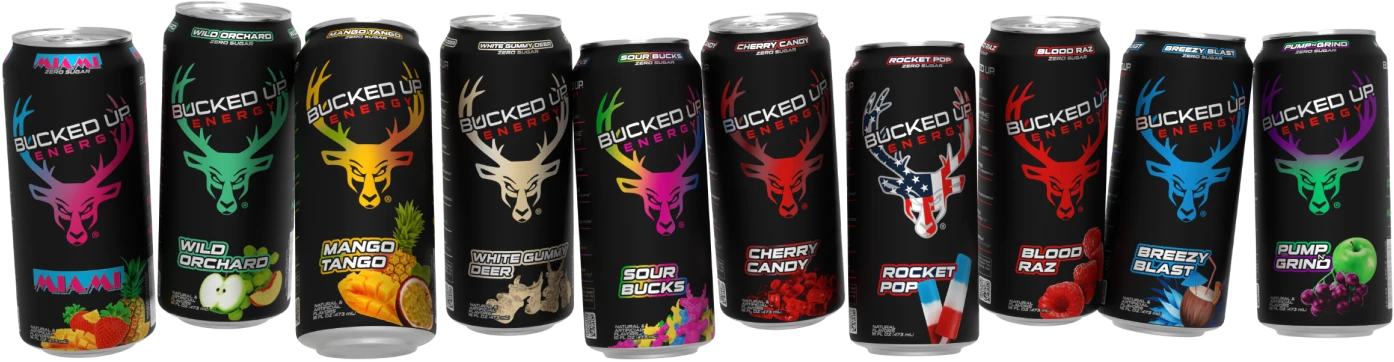
These formulations differ from many conventional options that rely heavily on sugar and stimulants. Explore Bucked Up’s performance-focused lineup to experience sustained energy with less cardiovascular strain than traditional high-stimulant drinks.
| Product | Caffeine Content | Key Nootropics | Target Use |
|---|---|---|---|
| Bucked Up Energy | 300mg | AlphaSize®, Dynamine™, TeaCrine® | Students/Professionals |
| LFG Energy | Moderate | AlphaSize®, MitoBurn®, Paradoxine® | Workers/Athletes |
| Babe Energy | 150mg natural | AlphaSize®, Paradoxine®, MitoBurn® | Women/Social events |
| Red Bull (8.4 oz) | 80mg | None | Basic stimulation |
Why Bucked Up’s Formulas Aim to Be Easier on the Heart
Bucked Up formulations focus on nootropic synergy instead of sheer stimulant load. TeaCrine and Dynamine support sustained energy and mood while working with caffeine in a way that may reduce rapid tolerance buildup.1 This strategy aims to deliver consistent performance benefits with fewer sharp spikes and crashes than many traditional energy drinks.
Manufacturing in USA GMP-certified facilities supports consistent potency and quality from can to can.
Can One Energy Drink a Day Harm You? Safe Limits
Within the FDA’s 400 mg daily guideline mentioned earlier, one Bucked Up Energy Drink at 300 mg caffeine falls inside the suggested limit for healthy adults.1 Many health experts still recommend capping intake at one standard energy drink per day with up to about 200 mg caffeine, since total daily caffeine also includes coffee, tea, and other sources.
Cardiologists generally consider moderate caffeine intake safe for most people regarding heart rhythm, although anyone with pre-existing conditions should talk with a healthcare professional first. Smart safety habits include staying hydrated, tracking how your heart rate responds, and avoiding late-day use that can disrupt sleep.
| Population | Daily Caffeine Limit | Bucked Up Recommendation | Source |
|---|---|---|---|
| Healthy Adults | 400mg | 1 Bucked Up Energy (300mg) | FDA |
| Adolescents (12-18) | Avoid | Avoid or consult physician | American Academy of Pediatrics |
| Heart Conditions | Consult cardiologist | Medical supervision required | Medical consensus |
Conclusion: Choosing Energy Drinks With Your Heart in Mind
Standard energy drinks that combine high caffeine, sugar, and synthetic additives can pose long-term concerns for heart health. Performance-focused options such as Bucked Up aim to reduce these concerns through specific ingredient combinations and moderate dosing strategies. The most important step involves choosing formulas that favor sustained energy and cognitive support over aggressive stimulation. Find heart-friendlier energy drinks that align with your performance goals while keeping cardiovascular health in view.
Energy Drinks and Heart Health FAQs
How many energy drinks can contribute to heart attacks?
Heart attacks linked to energy drinks appear uncommon but have been reported with extreme use. BMJ Case Reports described a stroke in a person consuming eight energy drinks daily, totaling nearly 1,300 mg caffeine. Emergency departments also see visits related to chronic intake above 400 mg caffeine per day. Most serious cardiovascular events occur in people with underlying conditions or those using multiple drinks daily over long periods.
Are Bucked Up Energy Drinks safer than traditional options?
Bucked Up Energy Drinks use moderate caffeine levels between 150 and 300 mg, combined with nootropics such as TeaCrine® and Dynamine™ that support smoother, sustained energy.1 The formulas focus on cognitive enhancement instead of heavy stimulation, and production in GMP-certified facilities supports consistent quality. Individual tolerance still varies, so anyone with heart concerns should consult a healthcare provider regardless of which brand they choose.
What do cardiologists say about energy drinks?
Many cardiologists express caution about frequent energy drink use, even though moderate caffeine can be safe for healthy adults. They point out that energy drinks influence the heart’s electrical system, blood pressure, and rhythm, and that added stimulants can intensify these effects. Most cardiology guidance encourages limiting intake, staying within about 400 mg daily caffeine, and avoiding energy drinks entirely for people with cardiovascular disease or arrhythmia risk.
Can energy drinks cause long-term blood pressure problems?
Regular energy drink use can contribute to chronic hypertension through several pathways. The mix of caffeine, taurine, and other stimulants creates ongoing cardiovascular stress that may keep blood pressure elevated over time. Studies indicate that chronic high caffeine intake can prolong blood pressure increases after exercise, which may raise long-term cardiovascular risk. Moderate use within FDA guidelines usually does not cause lasting problems in otherwise healthy adults.
How can I reduce heart risks while using energy drinks?
Heart-conscious energy drink use starts with products that have clear labels and moderate caffeine below 300 mg per serving. Hydration, awareness of your heart rate, and avoiding late-day use all help reduce strain. Formulas that highlight nootropics instead of heavy stimulant loads can further ease cardiovascular stress, especially when you limit yourself to one serving per day. Anyone with cardiovascular disease, high blood pressure, or palpitations should speak with a healthcare provider before using energy drinks. You can also visit our store locator to find heart-friendlier options near you.
1 The content provided in this article is for informational purposes only and is not medical advice. Consult with a medical professional before implementing any changes to your diet, health, or exercise routines.
Individual results will vary and are based on a combination of each individual’s diet, exercise, age, and health circumstances.
These statements have not been evaluated by the Food and Drug Administration. This product is not intended to diagnose, treat, cure or prevent any disease.
This article was written by Ryan Gardner, CEO of Bucked Up. As the maker of Bucked Up Energy Drinks, we have a financial interest in this information. The views expressed are our own and should be read with that context in mind.


Leave a Reply