

Last updated: April 16, 2026
Key Takeaways
- Quitting energy drinks helps restore heart health by stabilizing rhythm and reducing blood pressure within weeks.
- Sleep cycles often improve within 2 weeks, which supports natural energy and lowers anxiety.
- Cutting energy drinks supports a metabolic reset that encourages weight loss and steadier daily energy.
- Teeth and oral health benefit immediately as enamel erosion from acidic pH levels (2.6-3.9) stops.
- You can maintain focus and performance with Bucked Up Energy Drinks, a performance-focused alternative that supports long-term health goals.1
Why Quitting Energy Drinks Matters for Your Health
Energy drinks are more than simple caffeinated beverages. Their complex formulas combine high caffeine doses with substantial sugar, artificial acids, and synthetic compounds that affect multiple organ systems at once.
Typical energy drinks contain around 40 grams of sugar alongside 160-200 mg of caffeine, plus acidic compounds that give them pH levels between 2.6 and 3.9. This combination does more than boost alertness. It influences heart rhythm, blood pressure, sleep patterns, metabolism, and oral health long after the initial buzz fades.
10 Long-Term Health Benefits of Quitting Energy Drinks
#1: Restored Heart Health and Rhythm
Your cardiovascular system absorbs much of the impact from regular energy drink use. High caffeine, sugar, and synthetic stimulants can trigger irregular heart rhythms, raise blood pressure, and increase cardiac workload over time.
Once you quit energy drinks, your heart begins to recover within weeks. Caffeine withdrawal allows your cardiovascular system to reset, which can lower the risk of arrhythmias and support a more stable natural heart rhythm. Blood pressure often trends toward normal as your body no longer manages a constant stimulant load.
You can track this progress by monitoring cardiovascular endurance and any palpitations during physical activity over 3-6 months. During this period, your heart muscle can focus on efficient pumping instead of reacting to artificial stimulation.
#2: Normalized Blood Pressure and Circulation
Energy drinks influence blood pressure through two main pathways. Caffeine narrows blood vessels, while sugar promotes inflammation, which together keep your circulatory system under chronic stress.
Eliminating energy drinks allows your blood vessels to relax and return to a more natural diameter. This vascular relaxation occurs because the absence of constant stimulant spikes gives your cardiovascular system time to recalibrate its baseline tension. To see this process in real time, consider tracking your blood pressure readings over 4-8 weeks.
As readings improve, your long-term risk of hypertension-related complications can decrease. Your body can then maintain healthy circulation without relying on frequent stimulant boosts.
#3: Better Sleep Cycles and Deeper Rest
Energy drinks interfere with healthy sleep in several ways. High caffeine levels can remain active for 6-10 hours, while sugar crashes and synthetic stimulants create conditions that disrupt natural sleep patterns.
Quitting energy drinks often becomes one of the most effective steps for improving sleep quality. Within 2 weeks of cessation, most people report improved sleep quality and reduced anxiety as their natural circadian rhythms reassert themselves.
Better sleep creates a positive feedback loop. Improved rest reduces reliance on artificial stimulants, which further supports sleep quality. This improved rest also stabilizes the nervous system, which sets the stage for calmer moods and less anxiety.
#4: Reduced Anxiety and More Stable Moods
Energy drinks can fuel anxiety, jitters, and mood swings that linger long after the can is empty. The mix of caffeine, sugar spikes, and synthetic compounds encourages stress responses and emotional ups and downs.
The anxiety reduction that begins during the sleep normalization period mentioned earlier often expands into broader mood stability. After two weeks without caffeine, many individuals experience reduced anxiety, improved mood stability, and less shakiness as their nervous system adjusts to life without constant stimulation.
This steadier emotional baseline supports clearer decision-making, healthier relationships, and a more consistent sense of well-being. Your mood reflects your real circumstances and habits instead of the rise and crash of stimulants.
#5: Weight Loss and Metabolic Reset
The metabolic impact of energy drinks extends beyond their stimulant effects. Energy drinks contain 20-300 calories per serving, mostly from sugar that triggers insulin spikes and encourages fat storage. Regular use can add a large number of extra calories each week from beverages alone.
Eliminating high-sugar beverages allows insulin sensitivity to improve and metabolic function to normalize. Many people then see gradual weight loss even before changing other parts of their diet.
Within 2-3 weeks of reducing sugar intake, many people notice decreased inflammation and improved energy levels. At this point, metabolism begins shifting away from sugar dependence toward more stable fuel sources such as balanced meals and stored fat.
#6: Stronger Teeth and Long-Term Oral Health
Energy drinks can be especially harsh on teeth. The acidic pH levels mentioned earlier (2.6-3.9) contribute to demineralization of tooth enamel, which begins below the critical pH, which does not have a fixed value of 5.5 but is inversely proportional to the calcium and phosphate concentrations in the solution.
Studies show energy drinks can cause more enamel damage than soda due to higher acid levels and additional ingredients that reduce saliva flow. Saliva normally helps neutralize acids and repair early enamel damage, so reduced flow leaves teeth more vulnerable.
Quitting energy drinks immediately stops ongoing enamel erosion. Research demonstrates that highly acidic beverages comparable to energy drinks cause pronounced enamel surface erosion, exposing crystal prisms and creating deep craters in tooth structure. Since tooth enamel cannot regrow once eroded, prevention through stopping or limiting intake becomes essential for long-term oral health.
#7: Liver and Kidney Protection
Your liver and kidneys work hard to process the stimulants, sugars, and synthetic compounds in energy drinks. High sugar intake strains liver function, while large caffeine doses and artificial additives place extra demand on kidney filtration.
Eliminating energy drinks reduces this workload, which allows these organs to focus on their natural detoxification and regulatory roles. As your kidneys regain capacity for proper fluid regulation, you may notice better hydration and less bloating. These changes offer visible signs that your renal system is regaining efficiency.
Over time, this reduced strain can help preserve organ function and may lower the risk of metabolic issues linked to chronic stimulant and sugar intake.
#8: Steady Natural Energy Throughout the Day
Energy drinks train your body to expect quick spikes followed by crashes. Stimulants and sugar create short bursts of energy, then leave you feeling drained, which encourages another can and continues the cycle.
After the initial withdrawal period of 2-9 days, energy levels and cognitive function usually return to baseline. Many people then realize their natural energy capacity was higher than they thought.
Without constant artificial highs and lows, your body can build consistent energy patterns based on nutrition, hydration, and quality sleep. This shift supports more reliable, crash-free vitality across the entire day.
#9: Improved Digestion and Gut Health
Energy drinks can disrupt digestion and gut balance. Their acidity and artificial ingredients may irritate the intestinal lining, while high sugar content feeds less helpful bacteria in the gut.
Quitting energy drinks gives your digestive system space to heal and rebalance. You can track changes in bloating, bowel regularity, and how you feel after meals as your gut environment stabilizes.
Healthier digestion supports better nutrient absorption, which can improve energy, immune function, and mental clarity over time.
#10: Enhanced Cognitive Longevity and Focus
Energy drinks often feel like a quick fix for focus, yet chronic use can interfere with your brain’s natural signaling and stress response systems. Repeated stimulation and crash cycles can make it harder to concentrate without a can nearby.
Removing energy drinks allows your brain to restore more natural cognitive function. Within 2 weeks, many people experience improved concentration and cognitive performance as brain chemistry rebalances.
This restoration supports long-term brain health by helping neurons function without constant artificial stimulation. Over years, that may contribute to better focus, memory, and mental resilience.
What Happens to Your Body When You Quit: Week-by-Week Timeline
A clear timeline helps you anticipate withdrawal, stay motivated, and recognize progress as your body adjusts.
Days 1-3: Initial withdrawal symptoms often begin within 12-24 hours, with headaches and fatigue peaking between 20-51 hours after your last energy drink. Common symptoms include headache, fatigue, irritability, and difficulty concentrating.
Week 1: Symptoms usually begin stabilizing with less physical discomfort and early improvements in energy for some people. Jitters and anxiety start to fade as your nervous system adapts.
Month 1: The sleep and mood improvements that began around week 2 often become more consistent. Sleep quality improves significantly, mood stabilizes, and cognitive function gradually returns to baseline.
3-6 Months: Full benefits begin to show. Cardiovascular markers can normalize, weight may stabilize, and natural energy patterns feel more predictable. Many people recognize the full impact of quitting during this phase and feel more in control of their health.
Pro tip: Stay hydrated, taper gradually if you consume large amounts, and consider performance alternatives like Bucked Up Energy Drinks to support productivity while you transition.1 Find a store near you.
Upgrade Your Energy: Bucked Up as a Crash-Free Alternative
Quitting traditional energy drinks does not require giving up energy support. You can shift to formulas designed for steady performance with fewer harsh side effects.
Bucked Up Energy Drinks provide 300mg of caffeine paired with performance-focused ingredients such as Alpha-GPC for mental focus, Dynamine™ for mood support, and TeaCrine® for smoother, longer-lasting energy.1 Unlike many traditional options that can rely on sugar and harsh stimulants, Bucked Up uses nootropics to support cognitive function.1
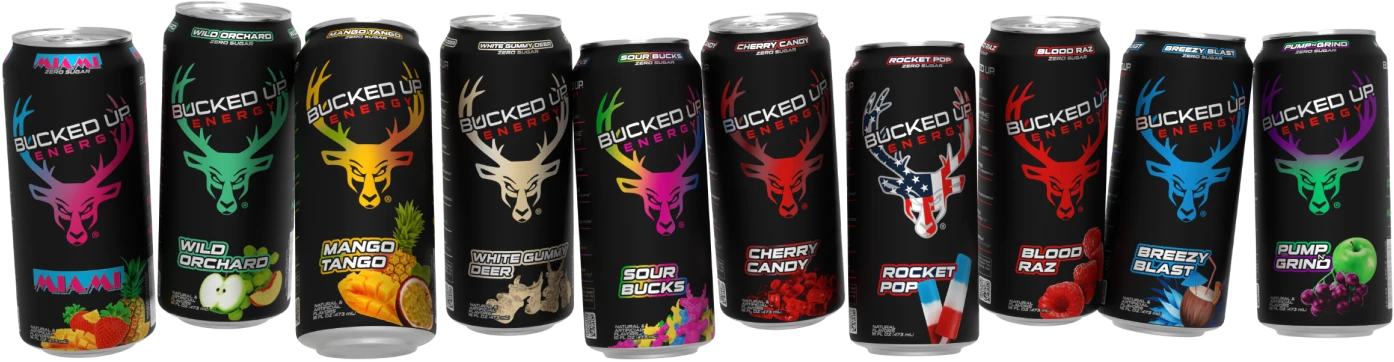
For specific goals, LFG Energy includes fat-burning support alongside energy enhancement, while Babe Energy offers a women-focused formula with 150mg of natural caffeine.1 All products are manufactured in GMP-certified USA facilities with transparent ingredient labels, so you avoid proprietary blends and hidden additives. GMP certification confirms that manufacturing standards are followed.
If you want energy without constant crashes, you can shop now and explore Bucked Up’s performance-oriented approach. You can also find a store near you for in-person options.
FAQ
What organ is most affected by energy drinks?
The cardiovascular system, especially the heart, often experiences the strongest impact from regular energy drink use. High caffeine, sugar, and synthetic stimulants can trigger irregular heart rhythms, raise blood pressure, and increase workload on the heart. The kidneys also manage high levels of caffeine and artificial compounds, while the liver processes large sugar loads. Overall, energy drinks influence several organ systems at once, so their effects are systemic rather than limited to a single organ.
How long does it take to see benefits after quitting energy drinks?
Most people notice early benefits within the first week. Sleep quality often improves within about 2 weeks, while cardiovascular changes such as more stable blood pressure may take 4-8 weeks. Metabolic shifts, including weight changes and better insulin sensitivity, usually become clearer over 2-3 months. The broadest benefits, such as steady natural energy and more efficient organ function, tend to develop over 3-6 months of consistent abstinence.
Are there safer energy alternatives to traditional energy drinks?
Several options can support energy without the same level of side effects seen with many traditional energy drinks. Performance-oriented choices like Bucked Up Energy Drinks use ingredients such as AlphaSize®, Dynamine™, and TeaCrine® to provide sustained energy and cognitive support with fewer crashes.1 Natural options include green tea, yerba mate, or moderate coffee intake. The goal is to choose products that rely on quality ingredients instead of excessive sugar and aggressive stimulants.
How does Bucked Up compare to traditional energy drinks?
Bucked Up Energy Drinks focus on sustained energy and cognitive support rather than a quick spike followed by a crash.1 Many traditional energy drinks rely heavily on sugar and artificial additives, while Bucked Up uses transparent labels and includes nootropics for focus and mood support. The 300mg of caffeine is paired with ingredients like TeaCrine® that help create smoother, longer-lasting energy with fewer jitters for many users.1
How often should I consume energy drinks for better long-term health?
For long-term health, energy drinks work best as an occasional tool instead of a daily habit. Limiting intake to about 2-3 times per week helps your body maintain its own energy production and reduces the risk of dependence. Daily use can increase tolerance, trigger withdrawal symptoms, and contribute to health concerns linked to chronic stimulant exposure. When you do choose an energy drink, performance-focused options like Bucked Up can better align with long-term health goals.
Conclusion
Quitting energy drinks can unlock meaningful health benefits over time, from stronger heart health and better sleep to weight changes and clearer thinking. Your body often responds quickly once it no longer manages constant artificial stimulation and crashes.
You can still support focus and performance while protecting your health. Performance-oriented alternatives like Bucked Up Energy Drinks aim to support your goals without working against your long-term well-being.1 Shop now to explore scientifically supported, crash-conscious energy that fits into a healthier routine.
1 The content provided in this article is for informational purposes only and is not medical advice. Consult with a medical professional before implementing any changes to your diet, health, or exercise routines.
Individual results will vary and are based on a combination of each individual’s diet, exercise, age, and health circumstances.
These statements have not been evaluated by the Food and Drug Administration. This product is not intended to diagnose, treat, cure or prevent any disease.
This article was written by Ryan Gardner, CEO of Bucked Up. As the maker of Bucked Up Energy Drinks, we have a financial interest in this information. The views expressed are our own and should be read with that context in mind.


Leave a Reply