

Written by: Ryan Gardner, Owner, Managing Partner, CEO, Bucked Up
Key Takeaways for Regular Trainers
-
High-caffeine energy drinks stacked on top of training stress can raise heart rate, blood pressure, and arrhythmia risk when daily intake exceeds 400 mg.
-
Caffeine-driven neurotransmitter changes can increase anxiety, jitteriness, and insomnia, which directly cuts into the sleep your muscles need to recover.
-
Sugar-sweetened energy drinks add to obesity, type 2 diabetes, dental caries, and enamel erosion because of their high liquid-sugar and acid load.
-
Regular trainers who combine pre-workout, coffee, and energy drinks carry the highest risk, so tracking total daily caffeine is essential.
-
Bucked Up Performance Energy Drinks use transparent dosing, zero added sugar, and manageable caffeine levels—explore the full formulation here to choose a lower-risk option that reflects the latest research.
Risk-Summary Table: What the 2024-2026 Evidence Shows
The 2024-2026 research literature highlights several clear risk categories linked to high-caffeine and sugar-sweetened energy drinks. Studies connect high caffeine loads to cardiac arrhythmias and elevated blood pressure. Other work documents insomnia, anxiety, and caffeine withdrawal, along with dental caries, enamel erosion, obesity, and metabolic disease from added sugars and acids. Behavioral concerns in children also appear in relation to sweetened beverage intake. Specific sources for these findings are referenced throughout this guide.
Cardiovascular Risks for Active Adults
The cardiovascular signal in the energy drink literature has sharpened considerably. Pharmacological safety data reviewed by Liv Hospital confirm that excessive caffeine intake can induce cardiac arrhythmias, including premature ventricular contractions and atrial fibrillation, particularly in individuals with pre-existing cardiac risk factors. The mechanism is well-characterized. Caffeine blocks adenosine A1 and A2A receptors, removes natural inhibitory signals on sympathetic output, and increases circulating norepinephrine, which raises heart rate and blood pressure at the same time.
The same pharmacological profile shows that healthy adults should not exceed 400 mg of total daily caffeine from all sources combined, including energy drinks, coffee, tea, and sodas. For a regular trainer who already drinks a morning coffee and uses a pre-workout, an afternoon energy drink can push total daily intake past that ceiling before dinner. The math matters, so run the numbers before you crack the can.
Pregnant individuals face a separate and more conservative threshold. Total daily caffeine intake should remain below 200 mg because of risks of low birth weight and delayed fetal caffeine clearance. That guidance makes standard-dose energy drinks a category to avoid entirely during pregnancy.
Neurological and Mental-Health Effects from High Caffeine
Beyond cardiovascular strain, high-dose energy drinks also affect the neurological systems that control sleep, mood, and recovery. The neurological picture is specific. Caffeine’s action on adenosine receptors increases the release of dopamine, norepinephrine, and glutamate. These shifts underlie the jitteriness, sleep disruption, and anxiety symptoms that regular energy drink consumers often report. In susceptible individuals, higher caffeine doses can trigger severe panic attacks, worsen generalized anxiety disorder, and intensify mania symptoms in those with bipolar disorder.
Insomnia directly interferes with training progress. Sleep is when muscle protein synthesis peaks, when growth hormone pulses, and when the central nervous system consolidates motor patterns. An energy drink consumed in the afternoon that delays sleep onset by 60 to 90 minutes affects more than comfort. It cuts into recovery.
Withdrawal also deserves attention before you build a daily habit. Abrupt cessation of chronic daily caffeine intake produces a recognized withdrawal syndrome lasting 2 to 9 days, marked by severe throbbing headaches, profound fatigue, and depressed mood. If you train daily and rely on a high-caffeine energy drink every session, missing one can becomes physiologically disruptive, not just inconvenient.
A 2026 prospective cohort study of 2,077 Canadian children in the CHILD Cohort found that higher consumption of artificially and sugar-sweetened beverages at age 3 was associated with higher internalizing behavior scores and total behavior scores at age 5, even after multivariable adjustment. Although this work focuses on children rather than adult athletes, it reinforces the broader signal that sweetened beverage consumption carries neurological and behavioral consequences beyond simple caffeine pharmacology.
Metabolic and Dental Damage from Sugary Energy Drinks
The 2026 IADR and AADOCR joint policy statement classifies sugar-sweetened energy drinks as a leading global source of added sugars and links them directly to obesity, type 2 diabetes, dental caries, enamel erosion, and premature mortality. Liquid sugars provide minimal satiety while delivering high concentrations of sugar and acid. This pattern creates a caloric surplus without the natural intake reduction that usually follows solid-food calories.
On dental health, the same policy statement cites high-certainty systematic reviews that confirm a clear dose-response relationship between sugar-sweetened beverage intake and dental caries in permanent teeth, independent of sociodemographic factors and fluoride exposure. Mean prevalence of dental erosion ranges from 20% to 45% in permanent teeth, with sugar-sweetened beverages identified as the most significant dietary source of extrinsic acids driving that trend.
A 2026 protocol from researchers at the Max Rubner-Institut reinforces the metabolic concern. The authors note that excessive free-sugar intake, especially from sugar-sweetened beverages, is linked to dental caries, overweight, obesity, and related metabolic diseases, based on umbrella reviews. The same protocol is investigating whether low-calorie sweeteners like allulose might offer metabolic advantages, although the authors emphasize that confirmatory human evidence remains scarce and long-term data are still needed.
Groups Who Carry the Highest Energy-Drink Risk
Energy drink risk is not evenly distributed across all consumers. Populations advised to avoid high-caffeine energy drinks or limit intake significantly include pregnant or breastfeeding individuals (the 200 mg ceiling mentioned earlier), people under 18, and those with pre-existing heart conditions, elevated blood pressure, anxiety disorders, panic disorder, bipolar disorder, or known caffeine sensitivity. Clinicians specifically recommend psychiatric screening before caffeine use in individuals with pre-existing anxiety or severe insomnia, because caffeine can meaningfully worsen these conditions.
For regular trainers, compounding risk often matters more than any single can. Someone consuming pre-workout, coffee, and an energy drink in the same day can easily exceed the 400 mg ceiling before accounting for caffeine in food sources. Stacking stimulants without tracking total daily load against that ceiling is where adverse events tend to cluster.
Current Cardiologist Guidance on Energy Drinks
The current cardiological consensus, reflected in pharmacological guidance, centers on the 400 mg daily ceiling for healthy adults and the more conservative 200 mg ceiling for pregnant individuals. Cardiologists flag arrhythmia risk, including premature ventricular contractions and atrial fibrillation, as the primary concern with high-dose caffeine consumption, particularly in patients with underlying cardiac conditions. For healthy adults, the recommendation focuses on dose awareness and total-load accounting across all caffeine sources in a given day rather than categorical avoidance.
Energy-Drink-Related Adverse Events: What We Know
Specific annual incidence figures for energy-drink-related adverse events or fatalities from 2024-2026 peer-reviewed sources were not available in the research reviewed for this article. Information not found. Available literature does confirm that tachycardia occurs in more than 10% of caffeine users as a common side effect and that arrhythmia risk rises in high-risk populations at higher doses. Readers who want current adverse event data can consult the FDA’s dietary supplement adverse event reporting database for the latest figures.
Four-Step Label Check for Energy-Drink Risk
Use this four-step checklist before purchasing any energy drink.
1. Total caffeine per serving. Look for the exact milligram amount on the label, then compare it with your total daily caffeine intake from all sources to stay under the 400 mg ceiling if you are a healthy adult. This first step shows whether the product fits your daily stimulant budget.
2. Added sugar content. After confirming the caffeine fits your budget, check the Nutrition Facts panel for “Added Sugars” in grams. Sugar-sweetened energy drinks carry documented metabolic and dental risks. Zero-sugar or low-sugar formulations reduce both concerns.
3. Proprietary blends. If the label lists a “blend” with a combined weight but no individual ingredient amounts, you cannot verify the dose of any single ingredient. Transparent labels list every ingredient with its exact amount, which lets you track your total stimulant load.
4. Stimulant stacking. Once you know the caffeine and see clear dosing, scan the label for additional stimulants such as synephrine, guarana, or other listed stimulant compounds. Each one adds to total stimulant load, so count them all, not just the caffeine line.
Review the complete Bucked Up Performance Energy label and dosing details.
Formulation Features That Lower Energy-Drink Risk
Lower-risk energy drinks share several formulation traits that you can use as a practical evaluation framework.
Transparent dosing. Every ingredient appears with its exact amount, with no proprietary blends that hide individual doses. This baseline criterion matters because if you cannot verify what you are consuming, you cannot manage your total daily load, which makes the next criteria impossible to judge accurately.
Caffeine within a trackable range. Once you can see the exact caffeine dose, confirm that the per-serving amount allows you to stay within the 400 mg daily ceiling when combined with your other caffeine sources. For most regular trainers who also drink coffee or use pre-workout, an energy drink in the 150 to 300 mg range per serving is easier to manage than one that approaches or exceeds 300 mg on its own.
Zero or low added sugar. Given the dose-response relationship between sugar-sweetened beverage intake and both dental caries and metabolic disease confirmed in the 2026 IADR/AADOCR policy statement, zero-sugar formulations provide a meaningful risk reduction for daily consumers.
No hidden stimulant stacking. A label that discloses all stimulant compounds individually lets you make an informed decision about total stimulant load instead of discovering a secondary stimulant after you feel the effects.
Delayed-release caffeine formats. Microencapsulated or delayed-release caffeine can spread the stimulant effect across a longer window. This pattern reduces peak plasma concentration and the associated cardiovascular spike that comes with rapid absorption of a large caffeine dose.
These criteria translate the risk mechanisms identified in the research into label-level checkpoints you can apply in the store.
How Bucked Up Performance Energy Aligns with the Research
Bucked Up Performance Energy Drinks follow the same transparency principles that define the broader Bucked Up line. Every ingredient appears on the label with its exact amount, and no proprietary blends obscure what you are actually consuming. The formulation is designed to support energy levels* without added sugar, which directly addresses the metabolic and dental risk pathways highlighted in the 2026 IADR/AADOCR policy statement.1
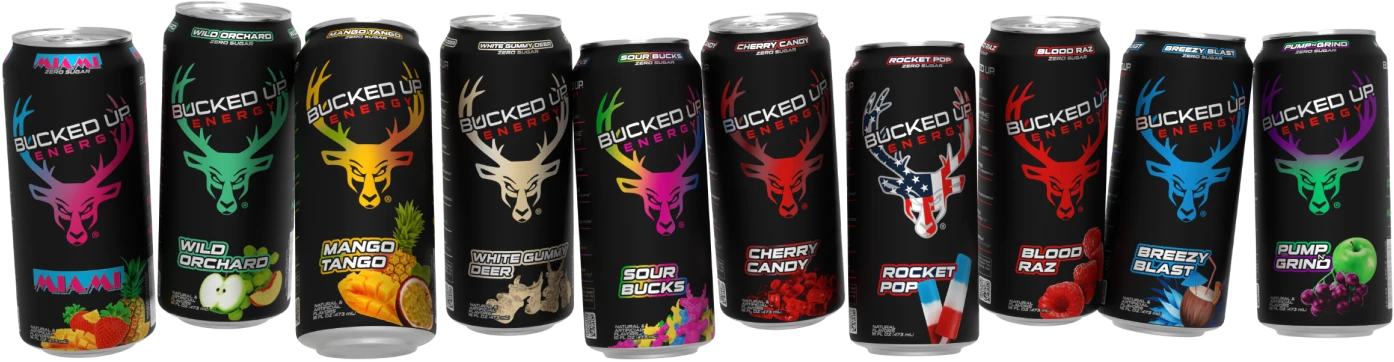
Trainers who want to locate Bucked Up Performance Energy Drinks in a nearby store can use the store finder tool.
Bucked Up products are manufactured in GMP-certified facilities in the USA, which means manufacturing processes follow established quality standards. As with all energy drinks, individual responses to caffeine vary. Consumers with pre-existing cardiac conditions, anxiety disorders, or caffeine sensitivity should consult a healthcare provider before use.
*These statements have not been evaluated by the Food and Drug Administration. This product is not intended to diagnose, treat, cure, or prevent any disease.
Quick Recap and How to Apply This Guide
The 2024-2026 research highlights four main risk pathways from high-risk energy drink consumption. These include cardiovascular stress from high caffeine loads, neurological and mental-health effects from adenosine receptor disruption, metabolic and dental harm from added sugars, and compounding risk in specific populations such as pregnant individuals, those under 18, and people with pre-existing cardiac or anxiety conditions. The practical response focuses on smarter choices, not automatic avoidance. Read labels with the four-point checklist above, track total daily caffeine across all sources, choose zero-sugar formulations, and favor transparent dosing over blended mystery ingredients.
That framework narrows the field to a short list of formulations. Bucked Up Performance Energy Drinks are built around those transparency and dosing principles.
Find Bucked Up Performance Energy and compare the full formulation.
Frequently Asked Questions
What do cardiologists say about energy drinks?
Cardiologists focus on total daily caffeine load rather than automatic avoidance for healthy adults. The established safety ceiling is 400 mg of caffeine per day from all sources combined, including energy drinks, coffee, tea, and food. Clinicians specifically flag arrhythmia risk, including premature ventricular contractions and atrial fibrillation, as the primary concern at higher doses, particularly in individuals with pre-existing cardiac conditions, elevated blood pressure, or known caffeine sensitivity.
For pregnant individuals, the recommended ceiling drops to the 200 mg threshold discussed earlier because of risks of low birth weight and delayed fetal caffeine clearance. For regular trainers, this means total-load accounting matters. If you consume pre-workout and coffee in the same day, a high-caffeine energy drink can push you past the safer range before you notice.
What is the safest energy drink to consume regularly?
No single product qualifies as universally safest, because individual risk factors differ. However, the formulation criteria that reduce documented risks stay consistent across the research. These include zero or low added sugar to address metabolic and dental risk, transparent ingredient dosing with no proprietary blends so you can track total caffeine and stimulant load, caffeine content that keeps you within the 400 mg daily ceiling when combined with other sources, and no hidden stimulant stacking. Applying these criteria to any label you review gives you a practical, evidence-based comparison framework. Bucked Up Performance Energy Drinks follow these transparency and dosing principles.
How much caffeine is too much from energy drinks?
For healthy adults, the upper limit is 400 mg of total daily caffeine from all sources. This figure represents a cumulative daily limit, not a per-drink cap. A single energy drink containing 200 to 300 mg of caffeine may fit within that range for a healthy adult, but risk rises when you stack it with a morning coffee, a pre-workout, and another energy drink in the same day.
Risk compounds further in specific populations. Pregnant individuals should stay below the 200 mg ceiling mentioned earlier, and individuals under 18 or those with cardiac conditions, anxiety disorders, or caffeine sensitivity are advised to avoid high-caffeine energy drinks entirely. Tracking your total daily intake across every caffeine source is the most actionable step you can take to stay in a safer range.
Do sugar-free energy drinks carry the same health risks?
Sugar-free formulations remove the metabolic and dental risk pathways documented in the IADR/AADOCR policy statement discussed earlier. However, sugar-free does not equal risk-free. The cardiovascular and neurological risks associated with high caffeine loads apply regardless of sugar content. A zero-sugar energy drink with 300 mg of caffeine still carries a similar arrhythmia and anxiety risk profile as a sugared version at the same caffeine dose. Evaluating both the sugar content and the total stimulant load gives you a more complete risk picture for any formulation.
Can energy drinks affect sleep and recovery for athletes?
Energy drinks can significantly affect sleep and recovery. Caffeine blocks adenosine receptors in the brain and removes the natural inhibitory signals that build sleep pressure over the day. This pattern delays sleep onset and reduces sleep quality, especially when you consume caffeine in the afternoon or evening. For athletes, this matters because sleep is the primary window for muscle protein synthesis, growth hormone release, and central nervous system recovery.
An energy drink that delays sleep onset by 60 to 90 minutes affects recovery and training adaptation, not just comfort. Caffeine’s half-life in healthy adults is approximately 5 to 6 hours, so a 200 mg energy drink consumed at 3 PM still leaves roughly 100 mg of active caffeine in your system at 9 PM. Timing your energy drink relative to your planned sleep window matters as much as the dose itself.
Review the full Bucked Up Performance Energy formulation and decide how it fits your routine.
1 The content provided in this article is for informational purposes only and is not medical advice. Consult with a medical professional before implementing any changes to your diet, health, or exercise routines. Individual results will vary and are based on a combination of each individual’s diet, exercise, age, and health circumstances. These statements have not been evaluated by the Food and Drug Administration. This product is not intended to diagnose, treat, cure or prevent any disease.
This article was written by Ryan Gardner, CEO of Bucked Up. As the maker of Bucked Up Energy Drinks, we have a financial interest in this information. The views expressed are our own and should be read with that context in mind.


Leave a Reply