

Written by: Ryan Gardner, Owner, Managing Partner, CEO, Bucked Up
Key Takeaways
- Jitters from sugar-free energy drinks usually come from rapid caffeine activation, not caffeine alone. Pairing caffeine with L-theanine or using paraxanthine can soften that response.
- Check labels for disclosed caffeine milligrams, clear L-theanine dosing near a 2:1 ratio to caffeine, and named sweeteners without proprietary blends.
- Daily use can be reasonable for many healthy adults when total caffeine stays within the 400 mg FDA/EFSA threshold and hydration stays on track.
- Paraxanthine offers adenosine receptor blockade similar to caffeine with a shorter half-life and may cause fewer side effects, so it remains an ingredient to watch.
- Bucked Up energy drinks use transparent labeling and jitter-conscious formulations—find your jitter-free match here.
How L-Theanine and Paraxanthine Support Jitter-Free Energy
Jitters happen when caffeine hits adenosine receptors faster than your nervous system can adjust, which drives sympathetic overactivation. The practical solution is not always less caffeine. Smarter caffeine pairings and newer caffeine alternatives can change how that caffeine feels.
L-theanine and caffeine synergy. L-theanine is an amino acid found naturally in green tea. When combined with caffeine, it acts as a glutamate reuptake inhibitor and increases GABA production, which blunts caffeine-induced sympathetic overactivation, jitters, anxiety, and subsequent crashes. 1 EEG research shows L-theanine increases alpha brain-wave activity within approximately 40 minutes of ingestion, creating a calmer mental state without sedation. 1 A study published in Nutritional Neuroscience tested 100 mg L-theanine paired with 50 mg caffeine in 27 participants and found the combination improved both speed and accuracy on an attention-switching task at 60 minutes post-dose, outperforming caffeine alone in reducing distractibility. A separate Biological Psychology study reported faster simple reaction times, improved sentence verification accuracy, decreased subjective mental fatigue, and increased alertness from the combination versus placebo. The Cleveland Clinic also notes that larger long-term studies are still needed before L-theanine can be recommended as a primary intervention for specific conditions.
Paraxanthine as a caffeine alternative. Paraxanthine is the primary metabolite caffeine converts into inside your body. A 2025 double-blind, randomized, placebo-controlled crossover study with 24 healthy adults found that 200 mg paraxanthine supported subjective energy, productivity, and focus compared to placebo, with cognitive improvements on N-Back tasks at 60 and 120 minutes post-dose. 1 Compared to caffeine, paraxanthine blocks adenosine A1 and A2A receptors with equal or slightly greater potency while avoiding production of theobromine and theophylline, the downstream metabolites associated with tremors and gastrointestinal effects. Human evidence suggests paraxanthine produces similar stimulant effects to caffeine while potentially causing fewer side effects such as jitteriness and rapid heart rate, although most data still come from caffeine metabolism research rather than large direct human trials. 1
Dosing strategy and timing. Pharmacokinetic data indicate L-theanine and caffeine reach peak plasma concentrations between 45 and 60 minutes with synchronized absorption, enabling L-theanine to neutralize the initial caffeine spike and support smooth, sustained effects lasting 3 to 5 hours. This synchronized timing makes the pairing effective, because L-theanine acts during the same window when jitters usually appear. Paraxanthine has an average half-life of 3.1 hours compared to caffeine’s 4.1 hours, so it clears faster and may interfere less with sleep when used later in the day.
Ready to put this science to work? Explore Bucked Up energy drinks formulated with the L-theanine and caffeine pairings discussed above.
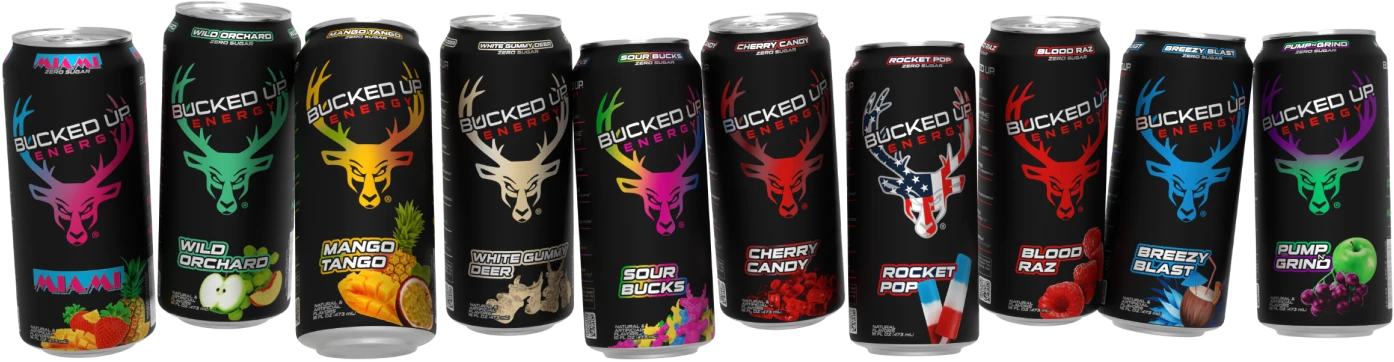
Label Checklist for Jitter-Conscious Sugar Free Energy Drinks
This checklist turns the ingredient science above into quick label checks you can use before you buy.
- Caffeine source and dose disclosed. The label should state the exact milligrams of caffeine and whether it comes from caffeine anhydrous, natural green tea extract, or a paraxanthine form. Undisclosed or blended stimulant amounts make it difficult to manage your daily intake.
- L-theanine present and dosed. Look for L-theanine listed as a separate ingredient with a disclosed amount. A ratio in the range of 2:1 L-theanine to caffeine is the most studied pairing for reducing jitter response.
- Sweetener type identified. Sugar-free labeling does not make all sweeteners equivalent. Sucralose and acesulfame potassium are both re-evaluated by EFSA as of 2025 and 2026 respectively and confirmed safe at currently authorized levels. Stevia and monk fruit are plant-derived alternatives some consumers prefer. The key is that the sweetener appears by name, not hidden in a broad “natural flavors” category.
- No proprietary blends masking stimulant content. Proprietary blends can list ingredients without disclosing individual amounts. This structure makes it hard to verify whether stimulant doses fall within ranges associated with jitter-conscious use.
- Serving size is realistic. A product with 300 mg of caffeine per can is not automatically a poor fit, but serving size matters. Check whether that amount reflects one serving or two by reading the nutrition facts panel, not just the front of the can.
- Manufactured in a GMP-certified facility. Good Manufacturing Practices certification indicates the facility meets federal quality and consistency standards, which supports label accuracy.
- Minimal unnecessary artificial additives. Artificial colors and preservatives do not contribute to performance. Their presence on a label can signal different formulation priorities than clean stimulation and focus.
Bucked Up energy drinks publish full ingredient amounts on every label. No blends, no guesswork. See the full ingredient breakdown for every can.
Daily Use Guidelines for Sugar Free Energy Drinks
Daily use depends on your total caffeine load from all sources. The FDA states that 400 mg of caffeine per day is considered safe for most healthy adults. 1 EFSA’s 2015 risk assessment, summarized by the German Federal Institute for Risk Assessment, identifies up to 200 mg in a single dose and 400 mg spread across the day as thresholds below which healthy adults are not expected to experience health risks. That guidance also notes that high doses of caffeine can cause increased nervousness, irritability, insomnia, sweating, and palpitations, with individual sensitivity playing a major role. Daily use of a sugar-free energy drink can be reasonable for many healthy adults when total daily caffeine stays within these ranges and the product does not include extra stimulants that stack on top of caffeine.
Kidney Health and Sugar Free Energy Drinks
Kidneys help process everything you consume, including energy drinks. The main kidney-related factors in sugar-free energy drinks are caffeine load and hydration status. Caffeine in large doses can cause jitters, restlessness, and irritability, and excessive intake is associated with dehydration, which increases demand on kidney filtration. Staying within the 400 mg daily caffeine threshold and drinking water alongside any caffeinated beverage are practical steps for kidney support in otherwise healthy adults. Individuals with existing kidney conditions should talk with a healthcare provider before adding any caffeinated beverage to their routine, because tolerance and medical history vary widely.
Sweeteners also pass through the kidneys. Acesulfame potassium and sucralose are not metabolized by the body and are excreted unchanged in urine within about 24 hours, so they move through the kidneys without building up in body tissues.
Focus Support From Sugar Free Energy Drinks
Some people look to sugar-free energy drinks with nootropic ingredients for extra focus support. The key ingredients in this context are L-theanine, which provides the alpha brain-wave effects described earlier when paired with caffeine, and paraxanthine, which showed similar cognitive benefits in the 2025 study cited earlier. These ingredients support normal cognitive function* in healthy adults. 1 Anyone managing a diagnosed attention-related condition should work with a qualified healthcare provider before using caffeinated products as part of their routine, because responses vary and no energy drink is formulated to treat medical conditions.
*These statements have not been evaluated by the Food and Drug Administration. This product is not intended to diagnose, treat, cure, or prevent any disease.
Blood Sugar Considerations With Sugar Free Energy Drinks
Sugar-free energy drinks replace sugar with non-caloric sweeteners, which is the main reason they appeal to people monitoring blood sugar. The FDA reviewed more than 110 studies on sucralose covering metabolism effects and confirmed it is not broken down or stored in body tissues. EFSA’s February 2026 re-evaluation concluded that sucralose is safe when used as currently authorized. Individuals managing blood sugar through diet or medication should confirm with their healthcare provider which sweeteners fit their situation, because metabolic responses can differ.
2026 Criteria Recap and Next Steps
Here is the short version of the criteria above. A sugar-free energy drink earns consideration as a jitter-conscious option when it discloses exact caffeine milligrams, pairs caffeine with L-theanine at a studied ratio, names its sweeteners clearly, avoids proprietary stimulant blends, and keeps single-serving caffeine at or below 200 mg for most adults. Paraxanthine remains an emerging alternative as more direct human trial data appears. Daily use is reasonable for healthy adults staying within the 400 mg threshold discussed earlier.
Bucked Up energy drinks follow the same transparency principles this checklist describes: disclosed ingredients, disclosed amounts, and manufacturing in GMP-certified facilities in the USA. No blends. No guesswork. Just the information you need to decide what fits your routine.
Find a can near you with the Bucked Up store finder, or stock up by the case online.
Frequently Asked Questions
What makes a sugar-free energy drink less likely to cause jitters?
Jitters mainly depend on how quickly caffeine activates the sympathetic nervous system and whether anything in the formula moderates that response. The two most studied moderating factors are L-theanine, which increases calming alpha brain-wave activity and blunts sympathetic overactivation when paired with caffeine, and paraxanthine, a caffeine metabolite that blocks adenosine receptors with similar potency while avoiding some downstream metabolites linked to tremors. Dosing also matters. Single-serving caffeine amounts at or below 200 mg are less likely to push many healthy adults into jitter territory than higher single doses. Transparent labeling is the starting point for all of this, because you cannot manage what you cannot measure.
Are sugar-free energy drinks safe to drink every day?
For many healthy adults, daily consumption of a sugar-free energy drink can be reasonable when total daily caffeine from all sources stays within the 400 mg threshold discussed earlier. The main variables are individual caffeine sensitivity, whether the drink contains additional stimulants beyond caffeine, and overall hydration. People who are pregnant, breastfeeding, under 18, or managing a health condition should consult a healthcare provider before turning any caffeinated beverage into a daily habit, because guidelines differ for these groups. Sweeteners like sucralose and acesulfame potassium are excreted unchanged by the body, and regulators including the FDA and EFSA confirm safety at currently authorized levels as of 2026.
How does Bucked Up approach ingredient transparency in its energy drinks?
Bucked Up publishes the exact amount of every ingredient on its labels across its product line, including energy drinks and pre-workouts. There are no proprietary blends that hide individual ingredient doses. This approach matters for jitter management because knowing the exact caffeine milligrams per serving is the only way to track total daily intake across all sources. All Bucked Up products are manufactured in GMP-certified facilities in the USA, which supports label accuracy and manufacturing consistency. The company views transparency as a baseline expectation rather than a premium feature.
What is paraxanthine and how does it differ from regular caffeine?
Paraxanthine is the primary metabolite your liver produces when it breaks down caffeine. When consumed directly as a supplement ingredient rather than produced through caffeine metabolism, it delivers adenosine receptor blockade with similar or slightly greater potency than caffeine while bypassing the production of theobromine and theophylline, two other caffeine metabolites associated with tremors and gastrointestinal effects. Paraxanthine also has a shorter average half-life than caffeine, approximately 3.1 hours versus 4.1 hours, which means it clears the system faster and may be less likely to interfere with sleep when consumed later in the day. Human trial data on direct paraxanthine supplementation is still building, so it remains an ingredient to watch as research matures rather than one with a decades-long evidence base.
Can I use sugar-free energy drinks if I am sensitive to caffeine?
Caffeine sensitivity varies widely between individuals, influenced in part by genetic differences in how quickly the CYP1A2 enzyme metabolizes caffeine. People who are sensitive to caffeine tend to experience jitters, anxiety, or sleep disruption at lower doses than average. For caffeine-sensitive individuals, practical options include choosing products with lower single-serving caffeine amounts, prioritizing formulas that include L-theanine to moderate the stimulant response, or exploring caffeine-free alternatives. Bucked Up offers a Non-Stimulant Pre-Workout for people who want to avoid caffeine entirely while still supporting workout performance. For energy drinks, checking the label for exact caffeine milligrams and starting with a partial serving is a reasonable way to gauge personal tolerance before finishing a full can.
References
Haskell, C. F., Kennedy, D. O., Milne, A. L., Wesnes, K. A., & Scholey, A. B. (2008). The effects of L-theanine, caffeine and their combination on cognition and mood. Biological Psychology, 77(2), 113–122. Source
Yoo, C., Xing, D., Gonzalez, D., Jenkins, V., Nottingham, K., & Wildman, R. (2025). Effects of paraxanthine on energy, focus, and cognitive performance in healthy adults: A randomized, double-blind, placebo-controlled crossover study. PubMed Central. Source
European Food Safety Authority. (2026). Re-evaluation of sucralose (E 955) as a food additive. EFSA. Source
1 The content provided in this article is for informational purposes only and is not medical advice. Consult with a medical professional before implementing any changes to your diet, health, or exercise routines.
Individual results will vary and are based on a combination of each individual’s diet, exercise, age, and health circumstances.
These statements have not been evaluated by the Food and Drug Administration. This product is not intended to diagnose, treat, cure or prevent any disease.
This article was written by Ryan Gardner, CEO of Bucked Up. As the maker of Bucked Up Energy Drinks, we have a financial interest in this information. The views expressed are our own and should be read with that context in mind.


Leave a Reply